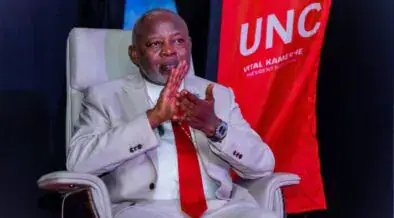
Vital Kamerhe, leader of the Union for the Congolese Nation (UNC), has called on President Felix Tshisekedi to conduct a thorough evaluation of the military strategy in the ongoing conflict in the eastern Democratic Republic of the Congo. Kamerhe's comments come amid the prolonged conflict, which has seen little progress despite significant resource allocation. He advocates for a more nuanced approach, suggesting that a single strategy cannot be effective throughout the conflict.
Kamerhe's proposal involves demanding accountability from high-ranking military and political officials, including generals, operation commanders, defense ministers, and FARDC chiefs of staff. He questions the utilization of billions of dollars allocated for the war effort, citing insufficient security gains. This criticism has raised concerns about potential demoralization of the armed forces and Wazalendo groups based in the east.
The UNC president also emphasizes the need to address potential failures and sanction those responsible. He expressed skepticism about the feasibility of achieving a military victory, given the substantial human cost borne by Congolese populations. Kamerhe's comments suggest that even a hypothetical FARDC victory after several years of fighting may not compensate for the immense human suffering.
Kamerhe advocates for a negotiated resolution to the conflict, suggesting that a political solution is necessary to bring lasting peace to the region. This stance may indicate a divergence from the current government's approach, with Kamerhe potentially positioning himself as an alternative voice on the conflict.
The conflict in eastern DRC has seen repeated attempts at negotiation, including talks in Washington, Doha, Angola, and Togo, which have yielded little result due to what Kamerhe describes as Rwanda's bad faith. Rwanda's alleged involvement in the conflict, driven by interests in the region's resources, remains a significant obstacle to peace.
Kamerhe's call for strategic reassessment and potential negotiations reflects growing concerns about the conflict's protracted nature and its humanitarian impact. His statements may contribute to a broader debate on the effectiveness of the current approach and the need for alternative solutions.
As the situation in eastern DRC continues to unfold, Kamerhe's proposals will likely be scrutinized by various stakeholders, including government officials, military leaders, and the international community. The effectiveness of his suggested reforms and the viability of a negotiated settlement remain to be seen.
Key points
- Vital Kamerhe urges President Felix Tshisekedi to reassess the military strategy in the eastern DRC conflict.
Reporting sources
- Guerre dans l’Est : Kamerhe démobilise les troupes au front · La Tempête des tropiques