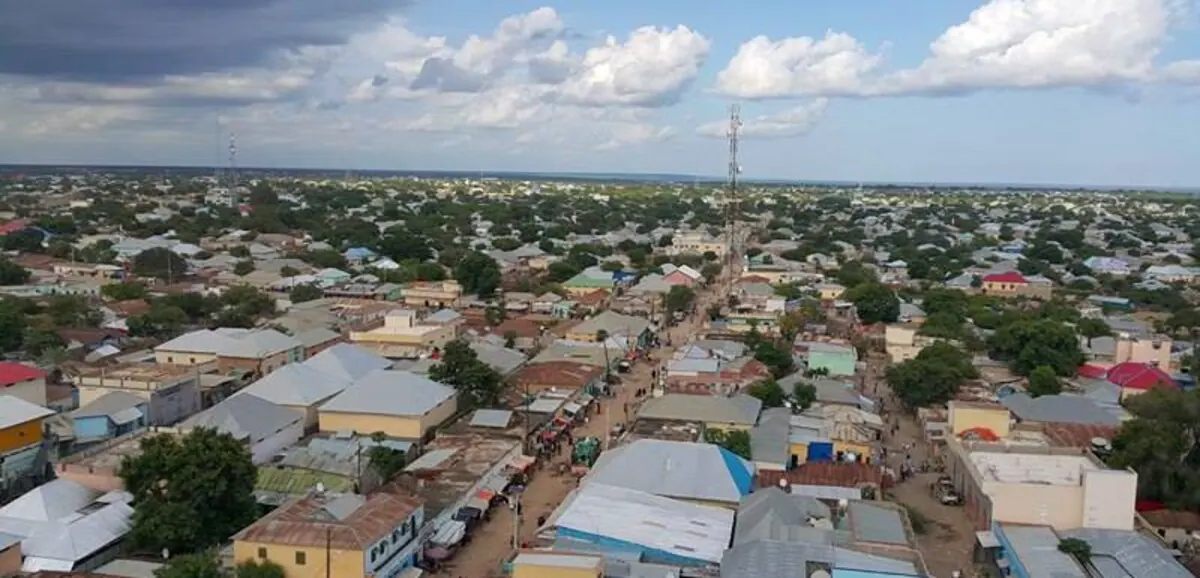
Violent clashes erupted in Baidoa, a city in southwestern Somalia, on September 28, resulting in multiple casualties. The fighting pitted the Somali federal army, backed by Turkish combat aircraft, against a militia supporting the former governor of the region, Abdiaziz Laftagareen. According to Médecins sans Frontières (MSF), at least three people were killed, including a healthcare professional, and 69 injured in the clashes.
The clashes were the fourth large-scale attack by Laftagareen's supporters against Baidoa since the federal army ousted him from the city after weeks of rising tensions. The militia, allegedly supported by Islamist insurgents, used explosive-laden vehicles and kamikaze drones to attack the city. The Somali army, assisted by Turkish F-16 fighter jets, responded to the attack, inflicting heavy losses on the militia and forcing them to retreat.
The situation in Baidoa remains tense, with residents describing the clashes as the most intense in recent times. Eyewitnesses reported seeing Turkish F-16s flying overhead and hearing powerful explosions. According to Mohamed Ali, a senior army officer, the government forces have regained control of the city, and calm has been restored. However, MSF expressed concern over the humanitarian consequences of the repeated clashes in Baidoa.
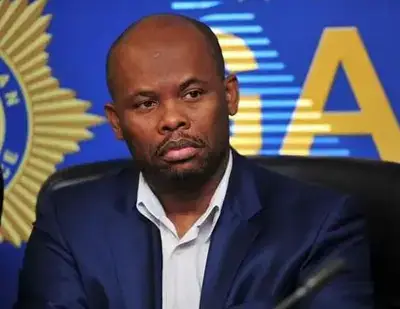
The conflict in Baidoa is part of a broader power struggle in Somalia. Laftagareen, a vocal opponent of President Hassan Sheikh Mohamud's administration, was ousted from his position as governor after the federal government deemed his re-election illegitimate. The president's efforts to reform the constitution have been met with resistance from several regional states, including Puntland and Jubbaland.
The clashes in Baidoa have raised concerns about the humanitarian situation in Somalia, where over 8.3 million people are in need of assistance. The UN has warned of a decline in aid to refugees and displaced persons, which could exacerbate the crisis. Meanwhile, Somalia's security situation remains fragile, with Islamist insurgents and regional power struggles posing significant challenges to stability.
The international community has expressed concern over the violence in Somalia. The African Union and other regional organizations have called for restraint and dialogue to resolve the conflict. However, the situation remains volatile, with both sides accusing each other of aggression. The Somali government has vowed to maintain its presence in Baidoa and ensure stability in the region.
The humanitarian consequences of the clashes in Baidoa are still being assessed. MSF has reported significant damage to healthcare infrastructure, and the organization has expressed concern over the impact of repeated violence on civilians. The situation in Somalia remains a major concern for the international community, with efforts to stabilize the country and address humanitarian needs ongoing.
Key points
- At least three people killed and 69 injured in clashes between Somali army and milicia
- Clashes in Baidoa are part of broader power struggle in Somalia
- Humanitarian situation in Somalia remains fragile with over 8.3 million people in need of assistance