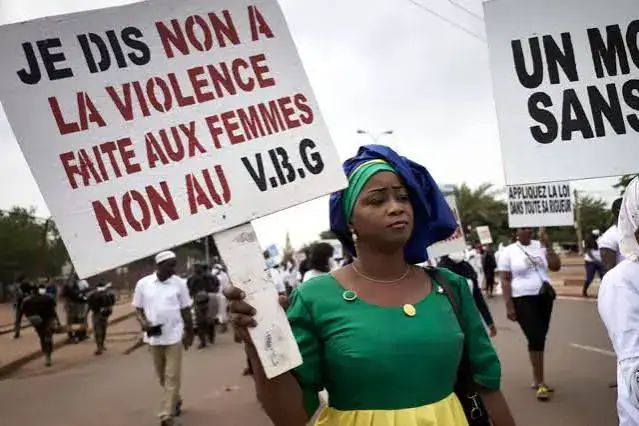
The Kolda region in Senegal continues to grapple with various forms of violence against women and girls, including domestic violence, sexual assault, and psychological abuse. On November 25, during the International Day for the Elimination of Violence Against Women, an alarming situation was revealed, marking the beginning of 16 days of activism. According to an anonymous intervenant in women's protection, common types of violence in the region include repudiation, lack of spousal support, rape, kidnapping of minors, and psychological violence.
The persistence of female genital mutilation (FGM) is another significant challenge in certain localities, where the practice remains deeply ingrained in sociocultural traditions. Despite efforts by actors engaged in women's protection, many women and girls continue to be affected by these forms of violence. Danielle Bassène FAYE, coordinator of the Kolda Departmental Assistance and Training Center for Women (CDAF), noted progress in the fight against this phenomenon, particularly with transfrontaliar strategies that encourage the abandonment of excision.
These strategies have contributed to changing mentalities and solidifying community commitment to protecting girls. According to PressAfrik, positive results have been reported, with communities gradually embracing the abandonment of FGM. However, stakeholders advocating for women's rights regret the common use of family mediation to manage violence situations, which can hinder the implementation of legislation and real protection for victims.
The use of family mediation often replaces judicial processes, leaving many women unprotected. This situation perpetuates a culture of silence, with victims afraid of stigmatization and judgment from their surroundings. As a result, some victims choose not to report the violence they suffer and abandon the idea of seeking justice. Stakeholders engaged in women's protection are calling for increased awareness campaigns and advocacy actions during the 16 days of activism.
The goal of these initiatives is to break the silence on violence, encourage the reporting of abuse, and better protect the rights of women and girls in the Kolda region. By amplifying the voices of victims and advocating for policy changes, stakeholders hope to create a safer environment for women and girls. The 16 days of activism provide a critical opportunity for communities to come together and address the pervasive issue of violence against women.
According to Remi SOUSSO, stakeholders are urging for a multifaceted approach to address the root causes of violence against women. This includes addressing sociocultural norms that perpetuate violence, providing support services for victims, and strengthening legislation to protect women's rights. By working together, stakeholders believe that it is possible to create a society where women and girls can live free from violence and fear.
As the 16 days of activism come to a close, stakeholders in the Kolda region are reflecting on the progress made and the challenges that remain. While there have been successes in raising awareness and promoting advocacy, much work remains to be done to eradicate violence against women. By continuing to engage communities and advocate for policy changes, stakeholders are hopeful that a brighter future can be created for women and girls in the region.
Key points
- The persistence of female genital mutilation (FGM) in certain localities remains a significant challenge in the Kolda region.
Reporting sources
- WalFadjri · WalFadjri