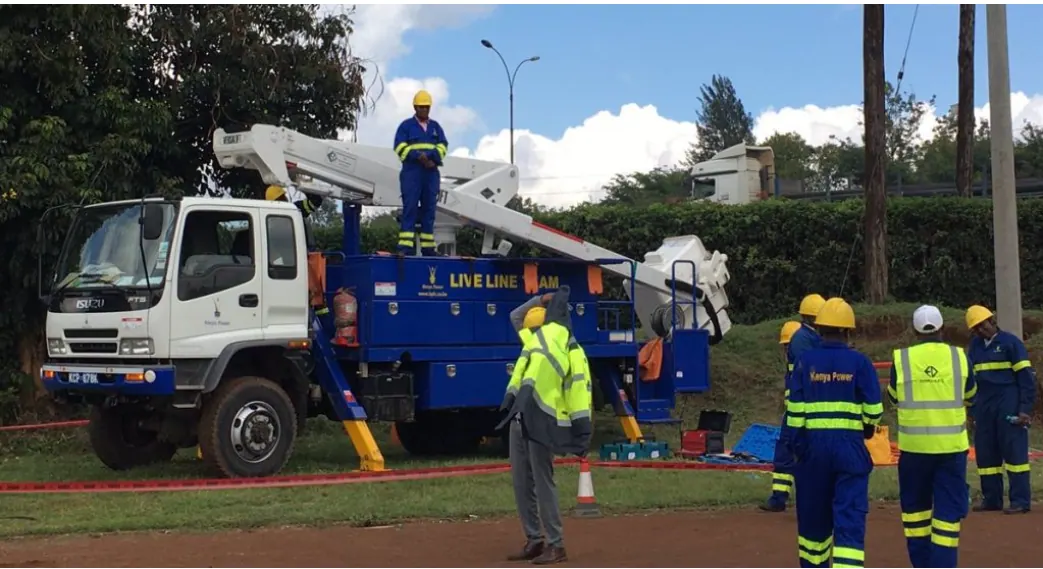
The recent connection of villages in Kericho, Nandi, Busia, and Kwale counties to the national electricity grid is bringing about a significant transformation in the daily lives of residents. For years, these communities relied on traditional sources of energy, but the availability of electricity is now changing the dynamics. Households can now access electricity within their homes and businesses, marking a major milestone in the country's efforts to bridge the energy gap.
The impact of electricity on daily life in these rural communities is multifaceted. Families can now extend their activities into the evening, and children can study under reliable lighting. Small businesses have an opportunity to operate for longer hours, and the availability of electricity is expected to improve access to essential services. The use of appliances and equipment that were previously unavailable to many households will also become more widespread.
The connection of villages to the grid is part of a broader effort to bring electricity to rural areas. For residents who spent years relying on kerosene lamps, candles, or other alternatives, the change marks a significant improvement in their everyday lives. The new connections are bringing electricity closer to rural households and helping bridge the gap between communities with reliable power and those that have historically remained off the national grid.
Beyond lighting homes, electricity can provide a foundation for economic activity in rural areas. Small shops, salons, workshops, food businesses, and other enterprises can use electricity to expand their operations and introduce equipment that requires a reliable power supply. Schools and community facilities can also benefit from improved lighting and access to electrical equipment.
As more villages are connected, the impact of rural electrification extends beyond individual households, creating opportunities for communities to improve productivity, education, and access to services. The experience of villages in Kericho, Nandi, Busia, and Kwale highlights the wider impact that electricity access can have on rural Kenya. What was once darkness after sunset is gradually giving way to illuminated homes, businesses, and public spaces.
The electrification of rural areas is also expected to have a positive impact on education. With reliable lighting, students can study for longer hours, and schools can use electrical equipment to enhance the learning experience. Additionally, electricity can improve access to healthcare services, as clinics and hospitals can use electrical equipment to provide better medical care.
As the Kenyan government continues to connect more villages to the national grid, the lives of rural residents are expected to change significantly. The availability of electricity will create new opportunities for economic growth, improve access to essential services, and enhance the overall quality of life in rural areas. The transformation of villages in Kericho, Nandi, Busia, and Kwale counties is a testament to the impact that electricity can have on rural communities.
Key points
- The connection of villages to the national electricity grid is bringing about a significant transformation in the daily lives of residents in rural Kenya.
- The availability of electricity is expected to improve access to essential services, enhance education, and create new opportunities for economic growth in rural areas.
- The electrification of rural areas is part of a broader effort to bridge the energy gap and bring electricity to communities that have historically remained off the national grid.