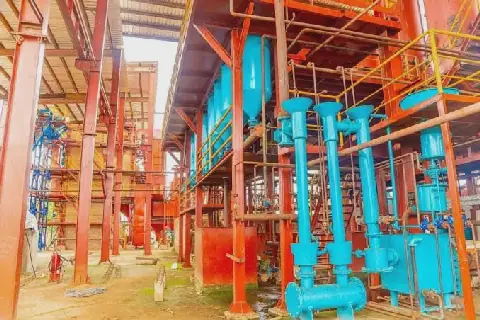
The water shortage in the Omusati region has persisted for six years, significantly impacting the daily lives of residents. The affected villages face considerable challenges in accessing clean water, which is essential for their health, hygiene, and overall well-being. Efforts to address this issue have been ongoing, with various stakeholders involved in seeking solutions to alleviate the water scarcity.
The Omusati region, located in northern Namibia, is characterized by its arid climate, which makes water resources scarce. The region's residents primarily rely on wells and communal water points, which are often inadequate and unreliable. As a result, many families have to travel long distances to fetch water, a task that disproportionately affects women and children.
Local authorities and government agencies have been working to address the water shortage in the Omusati region. Initiatives have included the drilling of new boreholes, upgrading existing water infrastructure, and implementing water conservation measures. However, despite these efforts, the water shortage persists, and the situation remains dire for many residents.
The water scarcity in the Omusati region has far-reaching consequences, affecting not only the health and hygiene of residents but also their economic activities. Farmers struggle to irrigate their crops, and livestock owners face challenges in providing water for their animals. This, in turn, impacts food security and the overall livelihoods of the affected communities.
Community-based initiatives have also been launched to mitigate the effects of the water shortage. These initiatives focus on promoting water conservation practices, such as the use of water-saving technologies and rainwater harvesting. Additionally, awareness campaigns have been conducted to educate residents on the importance of protecting and managing water resources sustainably.
The Namibian government has acknowledged the water shortage in the Omusati region as a priority issue. Efforts are being made to increase funding for water infrastructure development and to implement sustainable water management practices. International partners have also been engaged to support the government's efforts to address the water shortage and improve the overall quality of life for residents in the affected regions.
As the situation in the Omusati region continues to unfold, it is clear that a multi-faceted approach is required to address the water shortage. This includes investing in water infrastructure, promoting water conservation practices, and supporting community-based initiatives. The collaborative efforts of government agencies, local authorities, and international partners will be crucial in finding sustainable solutions to this pressing issue.
Key points
- The Omusati region in Namibia faces a six-year water shortage affecting thousands of residents.
- The water scarcity impacts daily life, health, hygiene, and economic activities.
- Efforts to address the shortage include drilling new boreholes, upgrading infrastructure, and promoting water conservation.