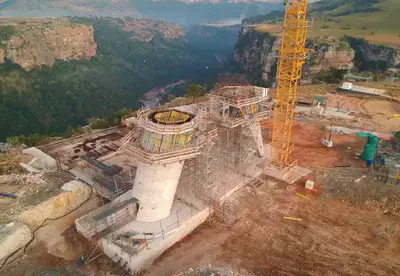
Rural communities in Mpondoland have accused the SA National Roads Agency (Sanral) and its contractors of damaging vital wetlands and watercourses that have supplied them with water for decades. The communities, in two administrative areas between the Msikaba and Mtentu rivers, have reportedly been affected by water shortages since the project started.
An independent ecological study, commissioned by the Amadiba Crisis Committee and the Khanyayo Crisis Committee, has identified repeated environmental compliance violations during construction. The study, conducted by senior ecologist Steven Ellery, found 31 breaches of environmental authorisation along the section of the project, resulting in the destruction of wetlands, biodiversity, and water courses.
Sanral spokesperson Lwando Mahlasela maintains that the project's potential environmental impacts were comprehensively investigated and assessed as part of the environmental impact assessment (EIA). The EIA included several specialist studies and peer reviews, which assessed potential impacts on biodiversity, including wetlands, as among the most significant residual negative effects of construction.
The study found that some watercourses, including wetlands, had been damaged by excessive sedimentation caused by inadequate stormwater and erosion control. It also identified excessive and unnecessary disturbance of wetlands and watercourses during construction, as well as potentially unauthorised access road crossings through watercourses and soil stockpiled in riparian areas.
Concerns about the environmental impact of the N2 project have extended to the Mtentu River, which is known for attracting kingfish that swim upstream seasonally. Local residents and fishermen have raised fears that the road project could threaten the migration of the fish, with research showing that kingfish specifically seek out the Mtentu River as a refuge when seawater temperatures become very cold.
The Amadiba Crisis Committee spokesperson Nonhle Mbuthuma said Sanral had failed to raise the possibility of a water crisis during public consultations. Mbuthuma also claimed that some residents, particularly young children, had developed skin rashes or suffered from diarrhoea after drinking water delivered by tankers.
Sanral has provided 19 temporary water tanks, which are regularly filled with potable water, and will install 19 boreholes fitted with hand pumps as part of the project. The long-delayed highway and bridge project, aimed at linking the Eastern Cape with KwaZulu-Natal, is scheduled to be completed in 2029.
Key points
- The N2 Wild Coast Road project has triggered community protests over the years due to concerns about its environmental impact.
- An independent ecological study found 31 breaches of environmental authorisation along the section of the project.
- Sanral has provided temporary water tanks and will install boreholes to mitigate the impact on local communities.