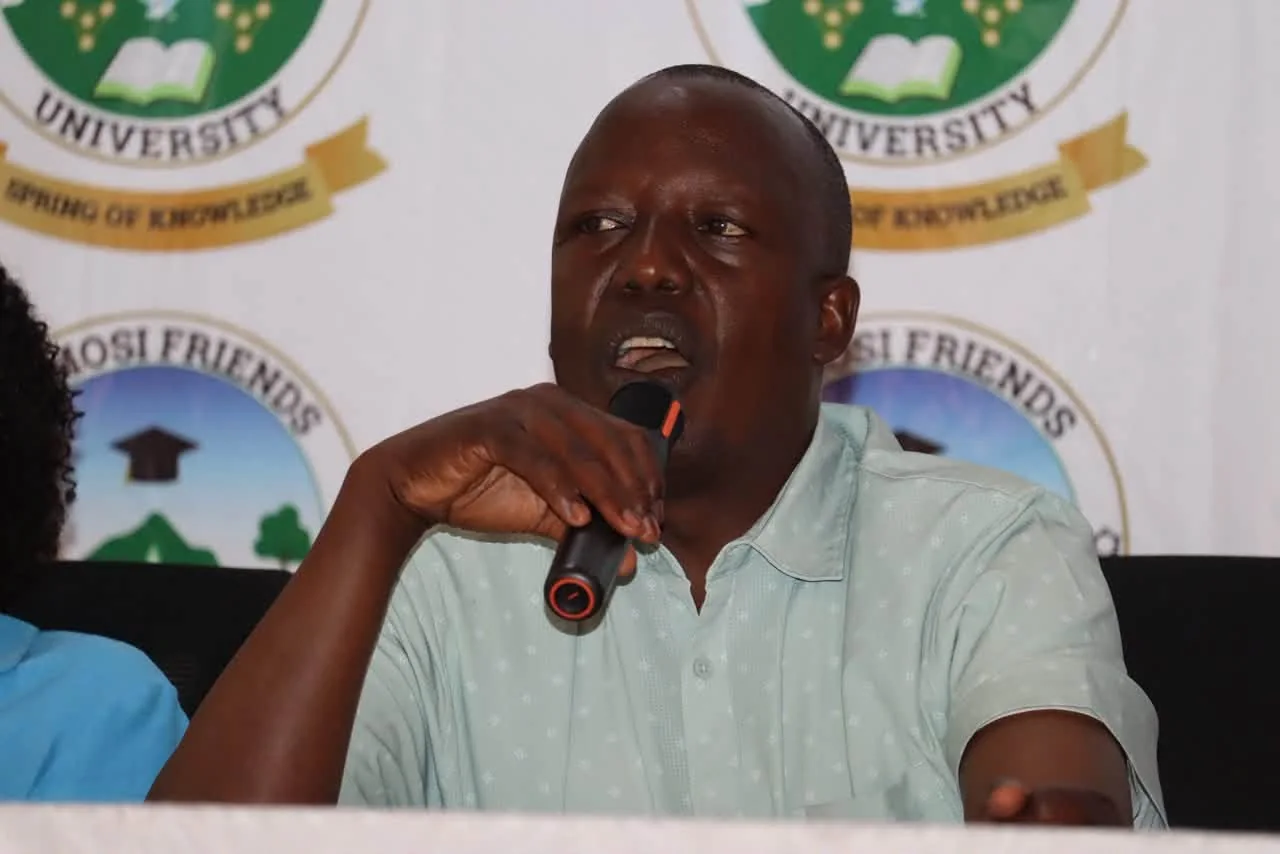
Education stakeholders in Vihiga and Siaya have presented proposals for reforms aimed at strengthening learner support, improving inclusion, and enhancing education quality. The proposals were presented during public hearings by the National Assembly Education Committee on the proposed Education Reform Bills. The exercise aims to gather views from learners, parents, teachers, universities, colleges, and other education stakeholders before the proposed changes are considered further by Parliament.
In Vihiga, stakeholders focused on learners with special educational needs, calling for better systems to identify their needs and provide the required support. The County Education Board proposed stronger assessment and support measures for learners with disabilities, including those with autism. The Association of Special Needs School Heads called for better infrastructure in special-needs schools and enough support staff to meet the needs of learners.
Stakeholders in Vihiga also emphasized the need for an increase in the number of trained teachers serving learners with special needs in regular schools. They said better facilities, adequate staffing, and specialized support would enable schools to respond more effectively to learners with disabilities while making the education system more inclusive.
In Siaya, stakeholders raised concerns about learner welfare, access to education, and the management of scholarships and bursaries. Students called for greater openness in the distribution of financial assistance, prioritizing vulnerable and needy learners. They also proposed closer monitoring of scholarship and bursary allocations to ensure the funds reach students who need them most.
Parents Associations in both counties proposed replacing Parent-Teacher Associations with recognized Parents Associations, giving parents a formal role in engaging schools and contributing to the welfare and education of their children. Stakeholders in Siaya also raised concerns about the transition of learners completing Junior Secondary School into technical and vocational education and training, calling for alternative pathways, timely placement, and adequate funding.
Other matters raised during the public participation exercise included teacher development, learner discipline, quality assurance, sponsorship of schools, management of early childhood development, and clearer pathways for learners moving between different levels of education. The Centre for Mathematics, Science and Technology Education in Africa called for a clear legal framework to formally anchor its role as the institution responsible for in-service teacher training.
Education Committee chair Julius Melly acknowledged the concerns and recommendations presented by stakeholders in Vihiga and Siaya, assuring participants that their views would be considered and captured in the committee's report. The committee will consider the submissions alongside other evidence and recommendations as it reviews the proposed Education Reform Bills before preparing its report to Parliament.
Key points
- Stakeholders call for better support for learners with disabilities
- Parents Associations propose replacing Parent-Teacher Associations
- Students seek greater openness in scholarship and bursary allocations