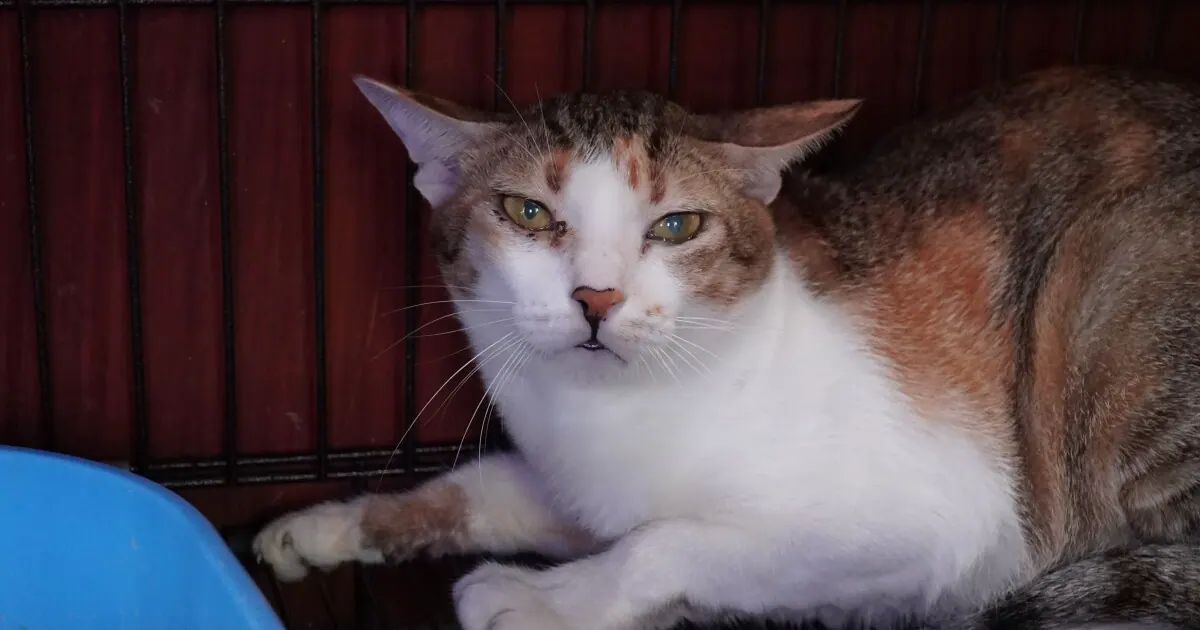
In a significant crackdown on animal theft, Vietnamese police have arrested 12 men suspected of operating a large-scale ring that stole and resold thousands of cats for meat in Ho Chi Minh City. The alleged leader, 39-year-old Luu Thanh Binh, and his 11 accomplices were taken into custody on July 8 after a thorough investigation. According to state media, the group had been stealing cats from residential neighborhoods at night, targeting vulnerable pets.
The theft ring, which operated in the city's north, involved a network of suppliers who recruited others to ride motorcycles through neighborhoods between 11 p.m. and 4 a.m., hunting for cats and trapping four to 10 cats each night. The stolen cats were then kept at a facility and resold for meat, with the suspects admitting to having stolen and sold about 2,700 cats. Police raided the network's facility and found about 50 cats and dozens of traps.
The consumption of dog and cat meat is not unique to Vietnam, but it is not a common practice either. In Vietnam, cat meat is traditionally more commonly consumed in the north, among older generations. However, with growing pet ownership and urbanization, the practice has declined, and younger Vietnamese are more likely to regard dogs and cats as companion animals. Many people in Vietnam, especially younger generations, now consider cats and dogs to be pets rather than food sources.
The issue of dog and cat meat consumption has sparked significant public concern in Vietnam. In 2024, over 250,000 people signed a petition calling for an end to Vietnam's dog and cat meat trade. Additionally, the city of Hoi An pledged in 2021 to end the sale and consumption of dog and cat meat. Some people still believe that eating cat meat brings good luck, although there is no scientific evidence to support this claim.
Under Vietnamese law, dogs and cats are considered private property, and stealing them is considered theft. If the value of the stolen property exceeds 2 million dong ($77), criminal prosecution generally applies. Police returned 13 of the cats confiscated in the raid to their owners, while a nonprofit animal rights group cared for the others while authorities sought to identify their owners.
This is not an isolated incident, as police reported a separate raid in June where they rescued over 400 cats. At least 40 were reunited with their owners, but dozens of dead cats were found packed in ice. The recent crackdown on the cat theft ring demonstrates the Vietnamese authorities' efforts to address animal welfare concerns and enforce laws protecting private property.
The investigation and subsequent arrests have brought attention to the issue of animal theft and the dog and cat meat trade in Vietnam. As the country continues to urbanize and more people keep pets, attitudes towards animals are changing. The authorities' actions are a step towards addressing these concerns and enforcing the law to protect animals and their owners.
Key points
- 12 men arrested for stealing and reselling 2,700 cats for meat in Vietnam
- The consumption of dog and cat meat is declining in Vietnam, especially among younger generations
- Over 250,000 people signed a petition in 2024 to end Vietnam's dog and cat meat trade