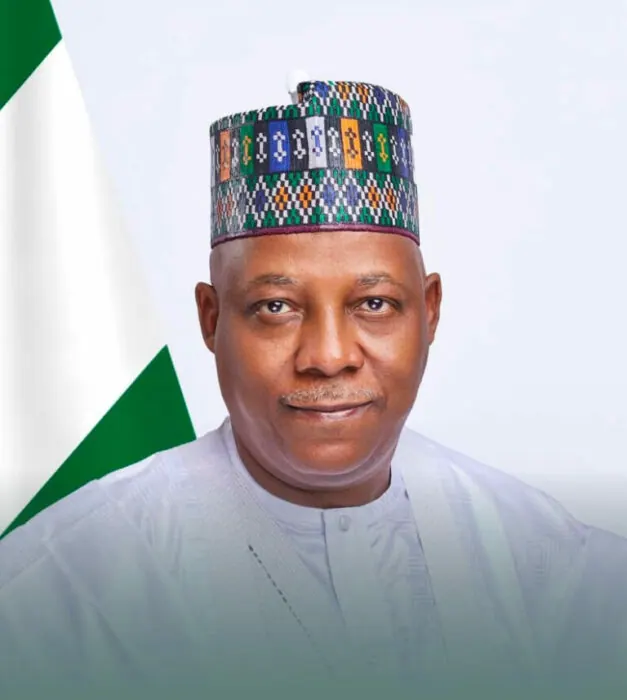
Vice President Kashim Shettima has been entrusted with a significant level of international representation and delegation by President Tinubu. According to Y B Mandara, this level of exposure has undoubtedly broadened Shettima's experience on the international stage. Shettima has represented the President at major global summits and led high-level Nigerian delegations in various countries. This extensive international engagement has added significantly to his perspective and diplomatic experience.
A detailed analysis of Shettima's international engagements reveals a busy schedule of events. In 2023, he attended the UN Food Systems Summit in Rome, the Russia-Africa Summit in St Petersburg, the BRICS Summit in Johannesburg, the G77+China Summit in Havana, the Belt and Road Forum in Beijing, and the Norman E. Borlaug International Dialogue in Lowa. These engagements demonstrate Shettima's active role in promoting Nigeria's interests globally.
In 2024, Shettima continued to engage in high-level international events, including the World Economic Forum in Davos, the IDA Summit in Nairobi, the 79th UN General Assembly in New York, and bilateral engagements in Stockholm. These events provided opportunities for Shettima to interact with global leaders and promote Nigeria's interests. The Vice President's international engagements have been extensive, with a focus on promoting economic development and cooperation.
Shettima's international engagements have yielded several benefits for Nigeria. These include a $1.1 billion Nigeria–Brazil Green Imperative for advancing agricultural mechanisation, technology transfer, and food production. Additionally, Nigeria has gained market access to Brazil for sesame, hibiscus, and shea exports, supporting non-oil export earnings. These agreements demonstrate the potential for international engagements to drive economic growth and development.
The Vice President's engagements have also led to significant investment agreements. These include $2 billion Chinese investment MoUs covering EV manufacturing, lithium batteries, renewable energy, industrial infrastructure, and technology transfer. Furthermore, an additional $4 billion Chinese investment signals potential expansion of foreign direct investment into Nigerian productive sectors. These investments have the potential to drive economic growth and development in Nigeria.
Shettima's international engagements have also focused on promoting cooperation in key sectors. These include an agricultural technology partnership with Brazil, cooperating on livestock genetics, soybean production, agricultural policy, and climate-risk management. Additionally, the Gulf of Guinea security cooperation aims to strengthen regional maritime security and protection of the waters, critical to Nigeria's trade and oil economy. These partnerships demonstrate the potential for international cooperation to drive development.
The benefits of Shettima's international engagements are multifaceted. Key points include the promotion of Nigeria's participation in the emerging African digital economy and continental market through AfCFTA/digital trade diplomacy. The Vice President's engagements have also led to initiatives aimed at moving Nigeria toward local production and technology transfer, such as EV and battery manufacturing. Overall, Shettima's international engagements have positioned Nigeria for growth and development.
Key points
- The Vice President's extensive international engagements have broadened his experience on the international stage.
- Shettima's engagements have yielded several benefits for Nigeria, including significant investment agreements and partnerships.
- The Vice President's international engagements have focused on promoting cooperation in key sectors, including agriculture and security.