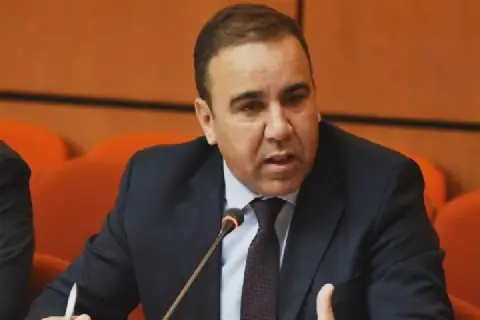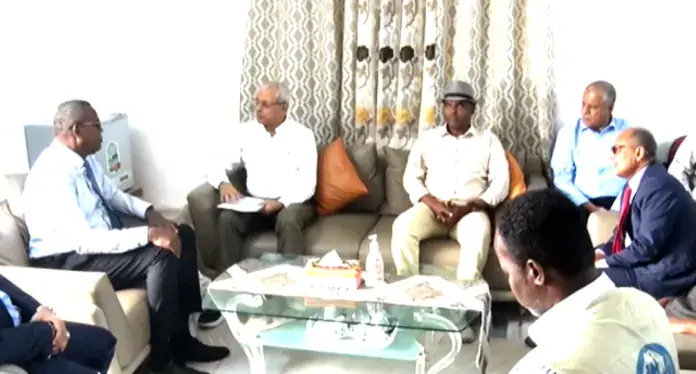
On November 16, Yemen's Vice-Minister of Foreign Affairs, Moustapha Ahmed Mohamed, visited the Markazi refugee camp in Djibouti's Obock region. The visit aimed to assess the living conditions of Yemeni refugees and the efforts made by Djibouti to address their needs. The camp has been providing shelter to Yemeni refugees since 2015. During his visit, Mohamed was accompanied by several high-ranking officials, including the Prefect of Obock, Moussa Aden, and the Ambassador of Yemen to Djibouti, Abdallah Mousalam Alsougathri.
The Markazi camp provides essential services, including shelter, healthcare, and education, to Yemeni refugees. Mohamed toured the camp's facilities, including the health center and school, and met with refugee leaders. These interactions allowed him to understand the challenges faced by the refugees and their priority needs. The visit highlighted the importance of continued support for the refugees and the need for international cooperation to address the humanitarian crisis.
The refugee crisis in Djibouti has been ongoing since 2015, with the country hosting Yemeni refugees in a spirit of solidarity and hospitality. However, the situation has evolved recently, with an increase in arrivals since September 2026. This surge has put additional pressure on the camp's resources, including housing, water, sanitation, and healthcare. The camp's infrastructure is being stretched to accommodate the new arrivals.
On the eve of Mohamed's visit, three boats carrying over 50 people from Yemen arrived on the coast of Obock. This recent influx has underscored the need for sustained humanitarian support and international cooperation. Djibouti's efforts to provide for the refugees require additional resources and backing from the international community. The visit by Mohamed demonstrated Yemen's commitment to its citizens and the importance of collaborative efforts to address the crisis.
The visit also highlighted the diplomatic significance of cooperation between Djibouti and Yemen in addressing the humanitarian crisis. The two countries are working together to strengthen their partnership and mobilize international support for the refugees. Yemen's continued engagement with its citizens in Djibouti reflects its commitment to their well-being.
The refugee camp in Markazi is facing significant challenges in providing for the growing number of arrivals. The camp's resources are being stretched, and the humanitarian response requires additional support. International cooperation and solidarity are essential to address the crisis and ensure the well-being of the refugees.
The visit by Vice-Minister Mohamed has brought attention to the ongoing humanitarian crisis and the need for sustained support. Djibouti's efforts to provide for the refugees are commendable, but the crisis requires a collective response from the international community. The situation in Markazi refugee camp serves as a reminder of the importance of cooperation and solidarity in addressing humanitarian crises.
Key points
- The visit by Yemen's Vice-Minister of Foreign Affairs highlights the need for continued international support for Yemeni refugees in Djibouti.