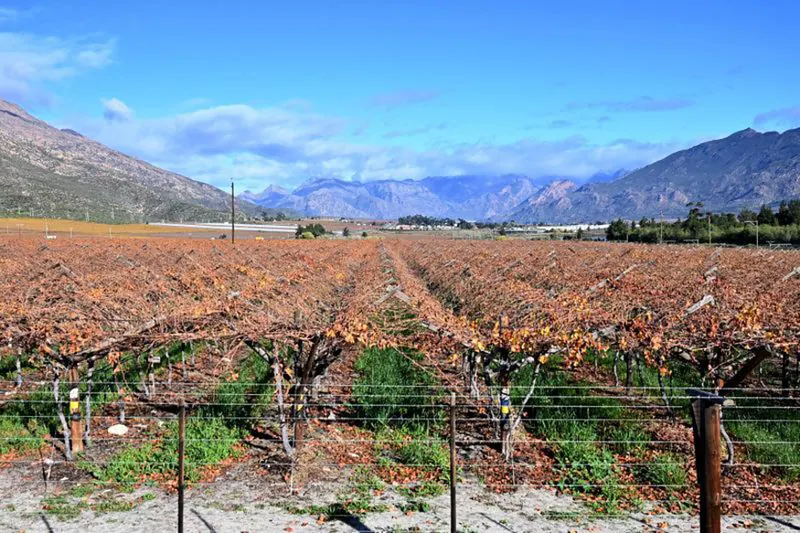
A very strong El Niño event is likely to persist until February 2027, according to the World Meteorological Organization (WMO). As of September 15, sea surface temperature anomalies in the central-eastern equatorial Pacific have strengthened to +3.01°C above average, characterising the El Niño event. The WMO defines El Niño as unusually warm ocean surface temperatures in the central and eastern Pacific. This warming of the Pacific Ocean usually leads to below-normal rainfall and above-normal temperatures in the southern African region.
The South African Weather Service (SAWS) has issued a seasonal forecast for October to December 2026, indicating that below-normal rainfall is the most likely outcome over most of South Africa. The country is also expected to experience above-normal temperatures during this period. The forecast for November 2026 to January 2027 is similar, with drier and warmer conditions predicted over most of the country. However, SAWS seasonal forecaster Christien Engelbrecht notes that global warming cannot be ignored, as it can act together with El Niño to make temperatures even warmer.
The expected very strong El Niño event of 2026/27, combined with global warming, is likely to result in 2027 being the warmest year yet recorded. If this El Niño event brings below-normal rainfall to southern Africa, it may lead to a high frequency of heatwaves, which have the potential to be severe. However, the eventual strength and regional impacts of El Niño remain uncertain. El Niño events do not always result in drought, as seen in the 1997/98 event, which was associated with slightly above-normal rainfall over parts of South Africa's summer rainfall region.
The Department of Agriculture, Land Reform and Rural Development has assessed the potential impacts of El Niño on food production and prices. According to Ikalafeng Kgakatsi, director of the Disaster Management and Climate Change Directorate, El Niño must be regarded as a significant production and price risk rather than confirmation of crop losses or food price increases. The department notes that the above-normal rainfall in the 2025/26 summer provided a vital buffer by boosting dam levels and initial soil moisture, aiding in South Africa's current record maize supply.
South Africa enters the 2026/27 marketing period in a relatively strong maize supply position, with the Crop Estimates Committee (CEC) forecasting a 2026 commercial maize crop of about 17.40 million tonnes. This strong harvest, combined with available carryover stocks, should provide an important supply buffer during the early part of 2027. Senior agricultural economist at FNB Commercial, Paul Makube, notes that the projected maize closing stock level of 5.12 million tonnes as of April 30, 2027, represents a significant supply cushion, which should help contain upward pressure on maize prices.
El Niño conditions could force livestock producers to shrink their herds and send animals to be slaughtered, preventing a surge in meat prices and providing relief in the short to medium term. However, meat prices may rise once normal weather conditions return and farmers start rebuilding their herds in the longer term. Makube also notes that vegetable prices may not increase due to elevated dam levels and irrigation. Nevertheless, dryland crops or crops grown in rain-fed conditions remain vulnerable to extreme heat and below-normal rainfall.
The Department of Agriculture has advised farmers to be on the lookout for monthly seasonal forecasts issued by SAWS and monthly advisories from the department. Farmers are also urged to continually scout for pests and diseases and put control measures in place where necessary. Intense heat could accelerate soil evaporation and evapotranspiration, stripping essential moisture from fields during critical planting and growing windows for summer grains. Livestock deaths can also occur during hot and dry periods, especially when additional feed is not provided.
Key points
- A very strong El Niño event is expected to persist until February 2027, potentially bringing drier and hotter conditions to South Africa.
- The event may lead to a high frequency of heatwaves, which have the potential to be severe, and impact crop yields and food security.
- South Africa's strong maize supply and elevated dam levels may help mitigate the impacts of El Niño on food prices.