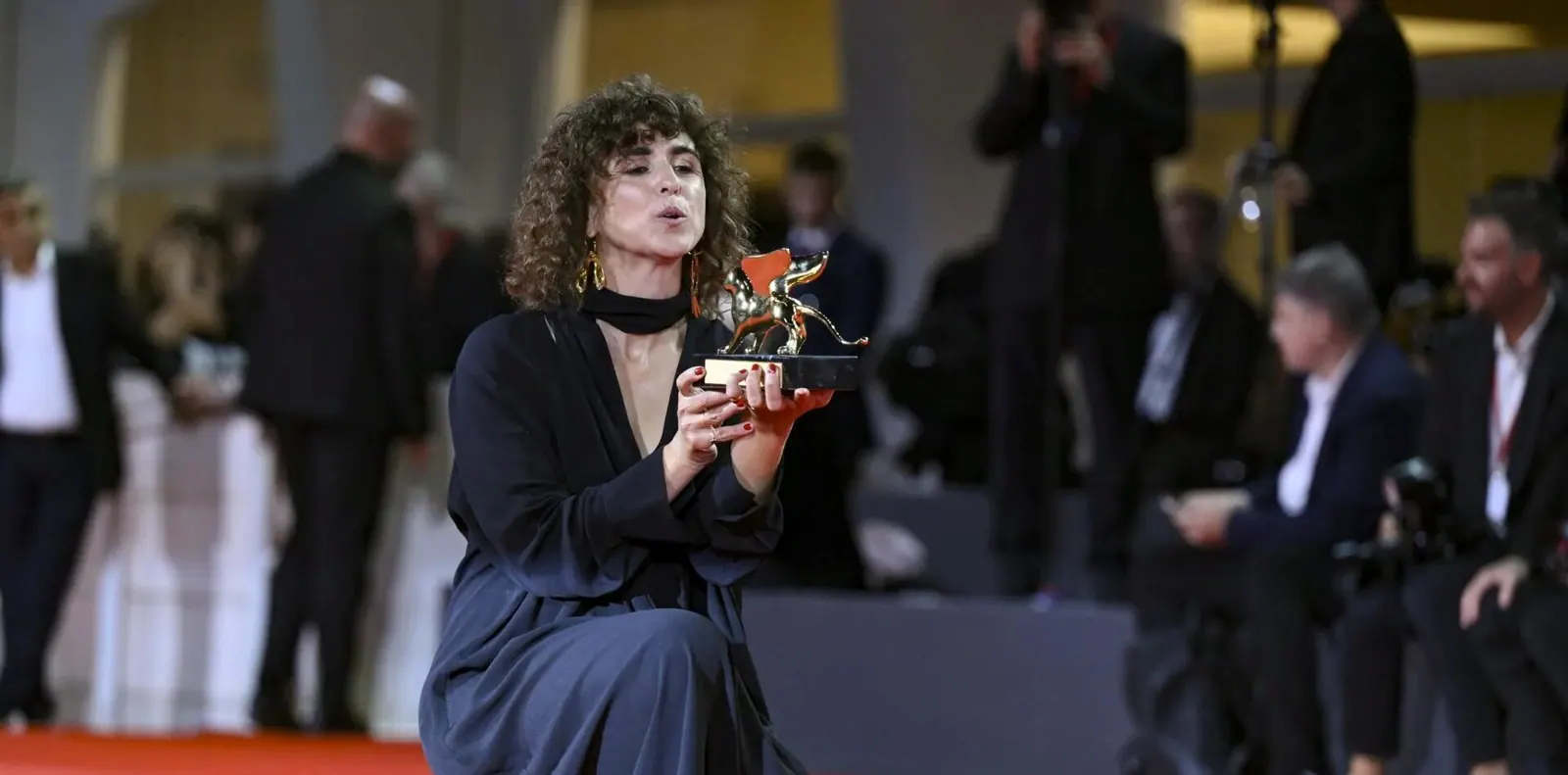
The 83rd Venice Film Festival, held from September 2 to 12, 2026, came to a close with a bang, as the Danish-Egyptian filmmaker Mai El-Tokhi's "Unknown Woman" won the prestigious Golden Lion award. This victory marked the first time a Danish film has achieved this feat since Carl Theodor Dreyer's "The Word" in 1955. The festival was notable for its eclectic mix of films and a strong presence of women filmmakers.
This year's edition of the festival was characterized by a significant shift in the cinematic landscape, with a notable absence of Hollywood productions. Instead, the event showcased a diverse range of films from around the world, including six Japanese films, two from Hong Kong, and one each from South Korea, Iran, the Philippines, Taiwan, Bangladesh, India, and Thailand. This deliberate attempt to broaden the scope of the festival was seen as a welcome change by many attendees.
The festival's artistic director, Alberto Barbera, described this edition as the "most politicized" in the festival's history, reflecting the current global turmoil. The event featured several films that tackled pressing issues, including the Palestinian question, such as "Citizen Osama" by Ahmed Hosouna and "Naza" by Yuval Abraham and Rachel Tzur. These films sparked intense debate and discussion among attendees.
The festival also saw a strong representation of Italian cinema, with 34 films showcased throughout the event. This was seen as a significant increase, especially given the tense relationship between Italian filmmakers and other major film festivals. Directors like Nani Moretti and Gianni Amelio presented some of their most innovative works, while established filmmakers like Werner Herzog and Paul Schrader also made their presence felt.
One of the standout features of the festival was its emphasis on showcasing emerging talent. The "Future Lion" award, given to the best debut film, went to Cameroonian director Auguste Bernard Koumou Yanngo's "The House of the Wind". This recognition was seen as a significant boost for African cinema, which is often underrepresented at major film festivals.
Despite some criticism, the festival was widely regarded as a success, with many praising its eclectic lineup and willingness to take risks. The event's focus on diversity and politics was seen as a refreshing change from the usual glamour and glitz of film festivals. As the festival came to a close, attendees were left with a renewed sense of excitement and anticipation for the future of world cinema.
The festival's success can be attributed to the vision of its artistic director, Alberto Barbera, who managed to create a program that was both entertaining and thought-provoking. The event's emphasis on showcasing new talent and diverse perspectives was seen as a major strength, and its willingness to tackle tough subjects and spark debate was widely praised.
Key points
- The 83rd Venice Film Festival was marked by a strong presence of women filmmakers and a diverse range of international films.
- The festival's absence of Hollywood productions was seen as an opportunity to showcase emerging talent and diverse perspectives.
- The event's focus on politics and current events was widely praised, with many regarding it as the "most politicized" edition in the festival's history.