The cost of owning and operating a vehicle in Namibia is increasing, driven by rising fuel prices, maintenance expenses, spare-parts costs, and insurance. Despite Chinese manufacturers offering more competitively priced models, motorists are facing growing pressure. In September 2026, Namibia registered 1,498 new vehicles, a 14.9% increase compared to the same month last year, with a combined estimated list-price value of approximately N$1 billion.
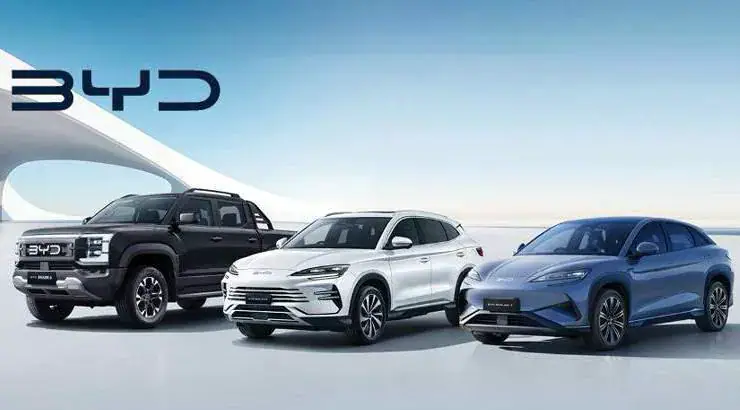
Chinese passenger vehicles averaged N$511,000, compared to N$615,000 for established brands, representing a 17% price advantage. The difference widened to 30% in the light commercial vehicle segment, where Chinese manufacturers are increasingly competing for business customers and fleet operators. JAC, LDV, and BYD are among the Chinese manufacturers gaining ground in Namibia, with 39, 19, and 8 registrations, respectively, in September.
The September vehicle-sales report by Simonis Storm Securities highlights the growing presence of Chinese brands in Namibia's market. Chinese brands accounted for 11.8% of light commercial vehicle sales and 13.6% of passenger vehicle sales during September. However, lower purchase prices are meeting an increasingly expensive operating environment, with the broader vehicle-operation cost category increasing by 17.1% year-on-year in August.
According to Simonis Storm Securities' associate economist Almandro Jansen, transport inflation reached 13.2%, while fuel inflation accelerated to 25.1%. The firm warned that the increase in ownership expenses is "the clearest evidence yet that the cost of owning and running a vehicle in Namibia, not merely buying one, is rising sharply." The pressure has since intensified, with petrol 95 increasing by N$2 per litre to N$28.58 at Walvis Bay on November 4.
Minister of Industries, Mines and Energy Modestus Amutse attributed the fuel price increase to international fuel prices easing slightly, but shipping costs increasing by 40%, and vessel waiting costs rising by 64%. Even after the increase, the adjustment does not cover the full cost of importing fuel. For businesses operating delivery vehicles, construction fleets, and logistics operations, higher fuel and maintenance expenses feed directly into operating costs and transport charges.
Despite growing competition, Toyota remains firmly in control of Namibia's new vehicle market, registering 854 vehicles in September, representing approximately 57% of total sales. The Hilux remained the leading light commercial vehicle, recording 359 registrations. Ford Ranger registered 86, while Isuzu D-Max recorded 60. For Chinese manufacturers, competitive pricing is opening doors, but sustained growth will depend on reliable servicing, accessible spare parts, dealer networks, and consumer confidence.
Namibia's automotive market is expanding, with 12,254 vehicles registered between January and September, representing a 12.4% increase compared to the corresponding period in 2025. The next phase of competition will be determined not simply by who sells the cheapest vehicle, but by who makes it affordable to own and operate over the long term. Motorists will increasingly consider factors such as fuel consumption, servicing, insurance, replacement parts, and resale value when making buying decisions.
Key points
- Chinese brands offer a price advantage of up to 30% in the light commercial vehicle segment.
- Vehicle ownership costs in Namibia have risen sharply, driven by increasing fuel prices, maintenance expenses, and insurance costs.
- Toyota remains the dominant player in Namibia's new vehicle market, but Chinese manufacturers are gaining ground with competitive pricing.
Reporting sources
- Vehicle ownership costs soar as Chinese brands gain ground · Windhoek Observer