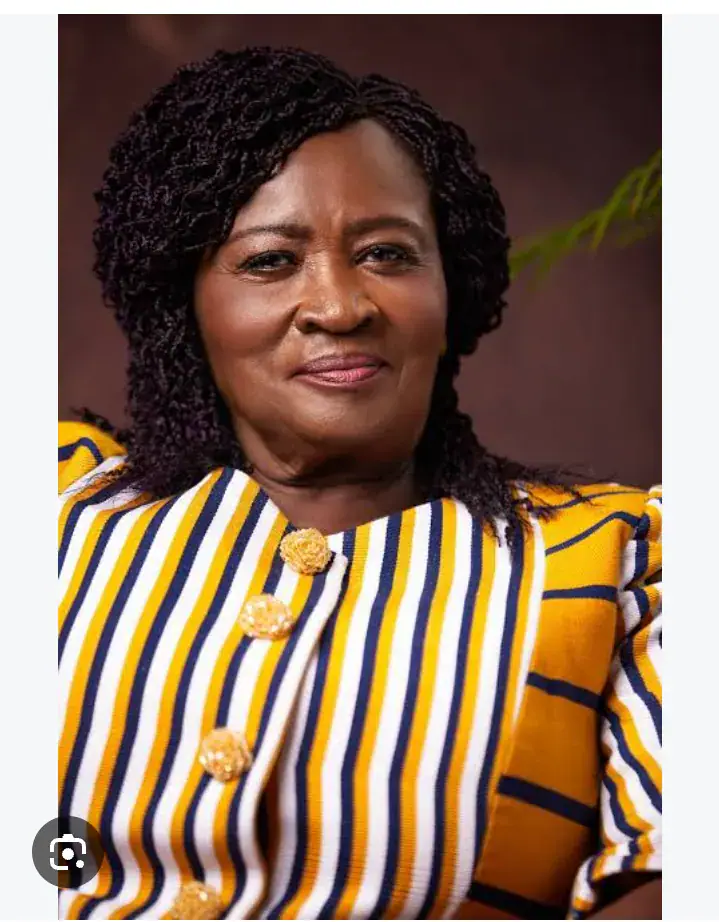
Ghana's Vice President, Professor Naana Jane Opoku-Agyemang, has attributed a decline in inflation, a strengthening of the Ghanaian cedi, and improvements in the country's debt situation to deliberate government interventions. She made these remarks at the National Democratic Congress (NDC)'s 2026 Policy Colloquium. The Vice President highlighted these developments as signs of progress in the government's economic management.
Professor Opoku-Agyemang urged members of the governing party not to become complacent but to remain committed to sustaining the gains recorded so far. She stressed the need for continued efforts to consolidate the improvements in key economic indicators, particularly inflation, currency stability, and public debt management. The Vice President's comments come amid ongoing public attention on the cost of living, exchange rate movements, and the government's efforts to strengthen Ghana's economic position.
The Vice President's address formed part of discussions at the policy colloquium, which provided a platform for the governing party to reflect on its policy direction and the progress of its economic agenda. The event brought together various stakeholders to discuss the country's economic trajectory and the government's strategies for sustainable growth. Professor Opoku-Agyemang's assertions were made in the context of the government's efforts to address the country's economic challenges.
Inflation and currency stability have been significant concerns for Ghana's economy in recent times. The government's measures to address these issues have included monetary policy adjustments and fiscal discipline. The Vice President's statement suggests that these efforts have yielded positive results, with inflation declining and the cedi strengthening. However, she emphasized that sustaining this progress would require continued commitment and effective implementation of government policies.
The National Democratic Congress's policy colloquium provided a platform for the party to review its policy direction and assess the progress of its economic agenda. The event brought together various stakeholders, including policymakers, economists, and party members, to discuss the country's economic challenges and the government's strategies for addressing them. Professor Opoku-Agyemang's address was a key highlight of the event.
The government's efforts to strengthen Ghana's economic position have been multifaceted, involving both monetary and fiscal policy interventions. The Vice President's statement suggests that these efforts have had a positive impact on the economy, with inflation declining and the cedi strengthening. However, she emphasized that sustaining this progress would require continued commitment and effective implementation of government policies.
The Vice President's comments on the government's economic management were made in the context of ongoing public attention on the cost of living and exchange rate movements. The government's efforts to address these issues have been under scrutiny, with various stakeholders calling for sustained efforts to stabilize the economy. Professor Opoku-Agyemang's statement suggests that the government is committed to sustaining the gains recorded so far and consolidating the improvements in key economic indicators.
Key points
- The Ghanaian government has implemented measures to reduce inflation and strengthen the cedi.
- Vice President Naana Jane Opoku-Agyemang attributed the decline in inflation and strengthening of the cedi to government interventions.
- The government has urged stakeholders to remain committed to sustaining the gains recorded so far in economic management.