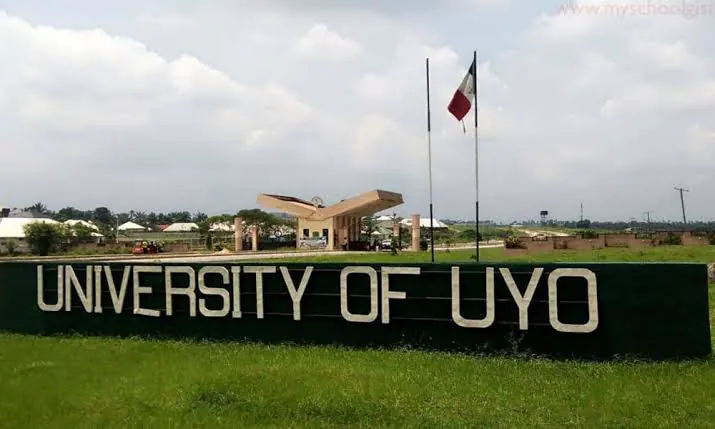
A professor of English at the University of Uyo, Ima Usen Emmanuel, has called for stronger cultural dialogue and reconciliation between Africans and diasporan Africans. This, she believes, will help address the rising menace of Afro-phobia threatening the peace and development of the African continent. Emmanuel made this call during the 141st Inaugural Lecture of the institution, titled “Circles and Circles of Relationship: Africans and African-Americans.”
Emmanuel argued that centuries of separation have widened the gulf of African bonds and brotherhood, making the essential values of unity and African nationalism antithetical to continental development. She used the metaphor of oscillating circles to describe the relationship between Africans and African Americans, which she believes should be viewed as a continuing movement between intimacy and distance, recognition and misunderstanding, solidarity and friction.
The transatlantic slave trade, according to Emmanuel, constituted a major rupture, forcibly separating millions of Africans from their families, languages, names, and cultural environments. Despite this disruption, enslaved Africans preserved and transformed aspects of their heritage through music, dance, oral traditions, religious practices, food, and funeral rites. These practices, she described as “living archives” of cultural memory, survived not as frozen remnants of African culture but as dynamic traditions adapted to new circumstances in the Americas.
Literature, Emmanuel identified, is another major bridge between Africa and African Americans. She cited the works of writers including W.E.B. Du Bois, Richard Wright, Maya Angelou, Toni Morrison, Chinua Achebe, Bessie Head, and Chimamanda Ngozi Adichie. According to her, the writings of African and African American authors demonstrate continuing conversations around ancestry, identity, memory, race, culture, and belonging.
However, Emmanuel noted that attempts at reconnection, including visits to Africa by African Americans, could sometimes produce misunderstanding and disappointment. Some African Americans may arrive in Africa expecting automatic acceptance as descendants returning home, while Africans might perceive them as foreigners whose experiences and identities have been shaped by centuries of life outside the continent.
Emmanuel advocated “reciprocity rather than projection”, urging both sides to recognise their shared heritage while acknowledging the historical and cultural differences that have emerged over centuries. She also called for a stronger cultural dimension to Pan-Africanism through literature, music, film, heritage tourism, and intellectual exchanges.
Among her recommendations was the establishment of a Memorial Day of Apology and Reconciliation, which she said could contribute to healing historical wounds and fostering greater understanding.
Key points
- The professor seeks stronger cultural dialogue between Africans and diasporan Africans.
- Emmanuel advocates for reciprocity rather than projection in African-African American relations.
- She recommends a Memorial Day of Apology and Reconciliation to foster greater understanding.