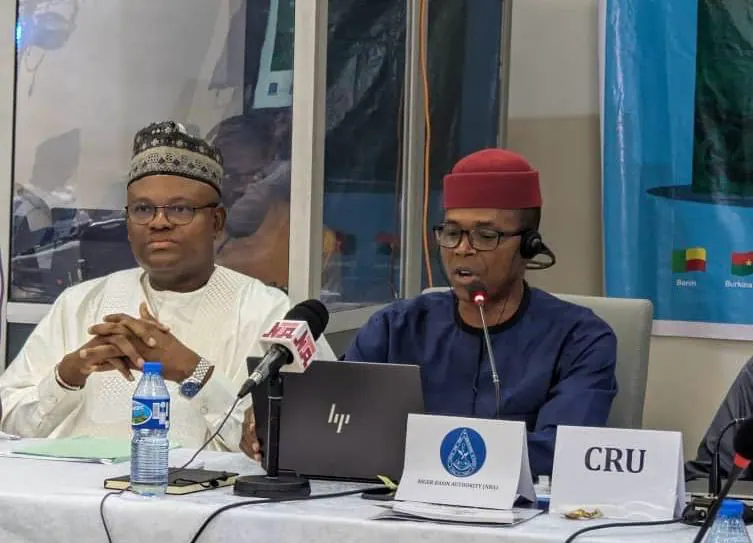
Nigeria's Minister of Water Resources and Sanitation, Professor Joseph Terlumun Utsev, has called for improved implementation of development projects under the Niger Basin Authority. The Minister made the call at the closing of a ten-day regional meeting in Abuja, which brought together representatives of nine member countries, development partners, and stakeholders. The meetings provided an opportunity to share experiences, identify challenges, and develop solutions to improve project implementation. Utsev expressed confidence that the recommendations from the meetings would strengthen project delivery and improve development programmes across the Niger Basin.
The Minister, represented by Mr. Umezulike Robert, urged participants to apply the knowledge gained in their respective countries. He stressed that regional cooperation and effective implementation were essential to achieving shared development goals. The Niger Basin Authority, led by Executive Secretary Mr. Kocou Houanye, is working to enhance the livelihoods of communities across the region. Houanye called for accelerated implementation of ongoing projects, completion of water infrastructure, and adequate funding to improve the lives of over 200 million people across the Basin.
Mr. Houanye identified climate change adaptation, water security, youth and women’s participation, and regional cooperation as important areas requiring sustained attention. He noted that over 80 per cent of jobs in the region are linked to water resources, calling for investments that would create economic opportunities and strengthen community resilience. The Programme for Integrated Development and Adaptation to Climate Change in the Niger Basin has recorded progress, with its physical implementation rate rising from 37 per cent in June 2025 to nearly 50 per cent in June 2026.
The Executive Secretary urged member countries to release counterpart funds, accelerate outstanding projects, and sign the Framework Agreement on the Common Basket Fund by November 15, 2026. He highlighted institutional reforms, improved programme management, and the adoption of the NBA Strategic and Operational Plans for 2026–2030 as measures to strengthen the Authority’s performance. The NBA is working with development partners to improve sustainable financing, strengthen regional cooperation, and establish a Regional Climate Change Adaptation Fund by early 2027.
The Niger Basin Authority's efforts aim to address the challenges facing the region, including climate change, water scarcity, and limited economic opportunities. The Authority's Strategic and Operational Plans for 2026–2030 will guide its operations and ensure that its activities align with the needs of member countries. By implementing these plans, the NBA seeks to improve the livelihoods of communities across the Niger Basin and promote sustainable development.
The ten-day regional meeting in Abuja provided a platform for stakeholders to discuss challenges and opportunities in the Niger Basin. Participants shared experiences, identified areas for improvement, and developed solutions to enhance project implementation. The meeting's recommendations will inform the NBA's future activities and ensure that its projects align with the needs of member countries.
The Niger Basin Authority's projects have the potential to transform the lives of millions of people across the region. By improving water infrastructure, enhancing climate change adaptation, and promoting economic opportunities, the Authority can help to reduce poverty, improve livelihoods, and promote sustainable development. The NBA's efforts will require sustained support from member countries, development partners, and stakeholders to achieve its goals.
Key points
- The Niger Basin Authority aims to establish a Regional Climate Change Adaptation Fund by early 2027.
- Over 80 per cent of jobs in the region are linked to water resources.
- The Programme for Integrated Development and Adaptation to Climate Change in the Niger Basin has recorded progress, with its physical implementation rate rising from 37 per cent in June 2025 to nearly 50 per cent in June 2026.