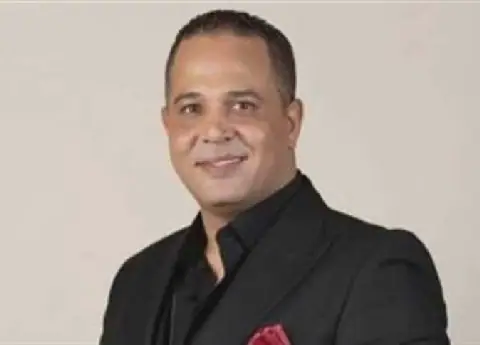
A US-Israeli writer, Jose Lief Alvarez, has urged the Trump administration to reassess its policy towards Libya, suggesting a stronger engagement with Libyan National Army (LNA) commander Khalifa Haftar. Alvarez argued that the current approach, which recognizes the Government of National Accord (GNA) in Tripoli as the sole legitimate authority, is unrealistic given the complex situation on the ground. He emphasized that the LNA controls around 70% of Libyan territory, including key areas in the Sirte basin and several oil facilities.
Alvarez linked the military influence in eastern Libya to the country's oil performance, noting that Libya's oil production exceeded 1.4 million barrels per day in 2026. In June, the country produced around 1.43 million barrels of crude oil and 49,163 barrels of condensate. He criticized the GNA, led by Prime Minister Abdul Hamid al-Dbeiba, for perpetuating the financial division between institutions in eastern and western Libya, citing extra-budgetary spending on both sides.
The writer accused the US policy towards Libya of contributing to the country's divisions, specifically criticizing former US Secretary of State Hillary Clinton's role in recognizing the GNA. He also questioned the UN's approach to the Libyan crisis. Alvarez advocated for a new US approach that engages more closely with authorities in eastern Libya to secure the oil sector and promote American interests.
Alvarez's article was published on the Washington Examiner website, a US-based news outlet. The article reflects the writer's opinion and not necessarily the views of the publication or its affiliates. Washington Examiner is known for publishing opinion pieces on international affairs and US foreign policy.
The US policy towards Libya has been a subject of debate among scholars and analysts. Some argue that Washington's approach has been inconsistent, while others believe that the US has a vital interest in stabilizing the country. Libya's oil wealth and strategic location make it an important player in regional and global affairs.
The divisions in Libya have significant implications for regional security and the global economy. The ongoing conflict has led to a decline in oil production and affected the livelihoods of millions of Libyans. A peaceful resolution to the crisis is crucial for the country's future and the stability of the region.
The international community, including the US, has a role to play in supporting a peaceful resolution to the Libyan crisis. A new approach that takes into account the complex situation on the ground and engages with various stakeholders could help to address the country's challenges and promote stability.
Key points
- The US writer Jose Lief Alvarez has urged the Trump administration to reassess its policy towards Libya.
- Alvarez suggests a stronger engagement with Libyan National Army (LNA) commander Khalifa Haftar to secure the oil sector.
- The US policy towards Libya has been criticized for contributing to the country's divisions and failing to address the complex situation on the ground.