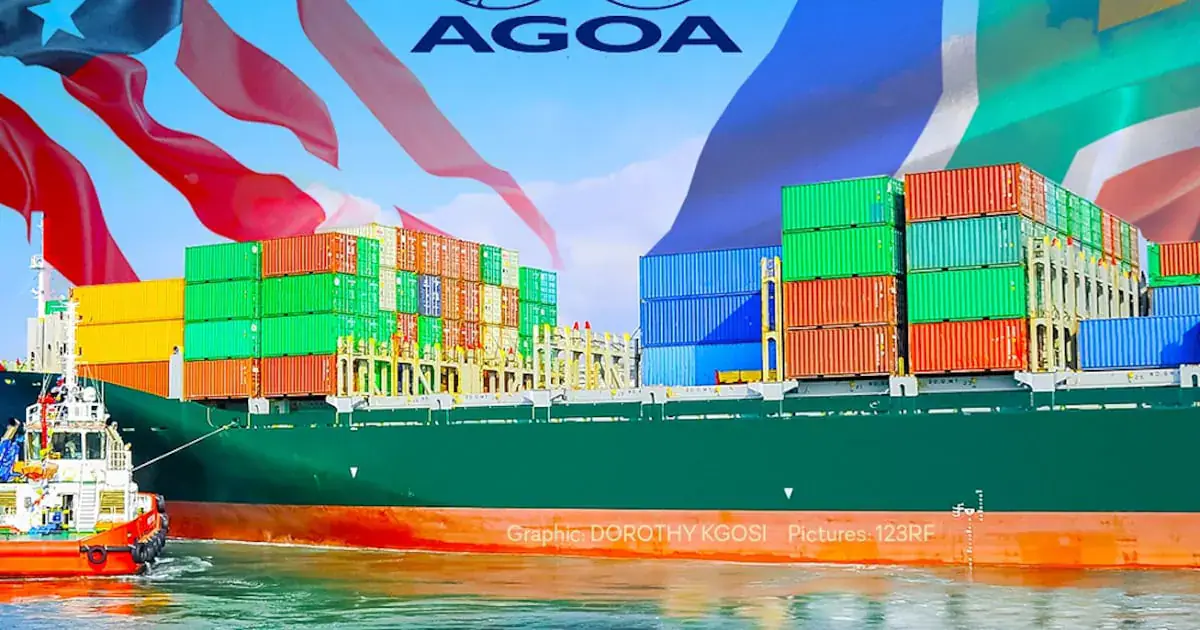
The US decision to withdraw South Africa's Agoa benefits has highlighted a rift between the ANC and DA over foreign policy. The governing ANC party alleges the move is an attempt to influence voters as it faces mounting electoral pressure. The ANC questions the timing of Washington's decision, suggesting it could be an attempt to intimidate voters and pressure the government to abandon its transformation agenda.
The DA has blamed the exclusion on the ANC's foreign policy and diplomatic failures of international relations minister Ronald Lamola. Both parties are key members of the government of national unity and run some metro councils together in coalition with smaller parties. The competing positions come as the Ipsos Khayabus "Pulse of the people" survey shows the ANC at its lowest level of support, with the DA gaining ground.
The Agoa dispute has added an international dimension to the parties' competing election messages, exposing divisions over how South Africa should balance its domestic transformation policies with its economic and diplomatic relationship with Washington. The ANC has rejected what it describes as the weaponisation of Agoa against South Africa's economic transformation agenda, citing concerns about attempts to influence the country's democratic choices.
Trade labour federation Cosatu estimates that South Africa's exclusion from the preferential trade programme would hit agriculture and manufacturing sectors the hardest, with estimates of about 3,000 job losses, or almost 10,000 overall. Cosatu spokesperson Matthew Parks expressed concerns about jobs in the agricultural sector, particularly in the Western Cape, Limpopo, and Northern Cape.
The DA described South Africa's exclusion as avoidable, blaming Lamola's handling of relations with Washington and what it called the ANC's ideological approach to foreign policy. The party argued that the government's relationships with Russia and Iran, along with its domestic transformation policies, had contributed to South Africa being viewed with suspicion by liberal democracies.
Economists have offered mixed assessments of the impact of the withdrawal, with North-West University Business School economist Raymond Parsons saying it would have a limited effect on the economy as a whole, while PSG Financial Services chief economist Johann Els cautioned against overstating the direct impact. About 7% of South Africa's goods exports went to the US in 2025, worth about $16.5bn.
The American Chamber of Commerce in South Africa (AmCham SA) expressed disappointment at the announcement, noting that losing Agoa removes a tariff preference but does not stop trade. AmCham stressed that the removal applies only to South Africa and Rwanda, and that Agoa itself remains in force, having been reauthorised to end-2028.
Key points
- The US decision to withdraw South Africa's Agoa benefits has exposed divisions between the ANC and DA over foreign policy.
- The withdrawal is expected to hit agriculture and manufacturing sectors, with estimates of about 3,000 job losses.
- Economists have offered mixed assessments of the impact of the withdrawal on the South African economy.