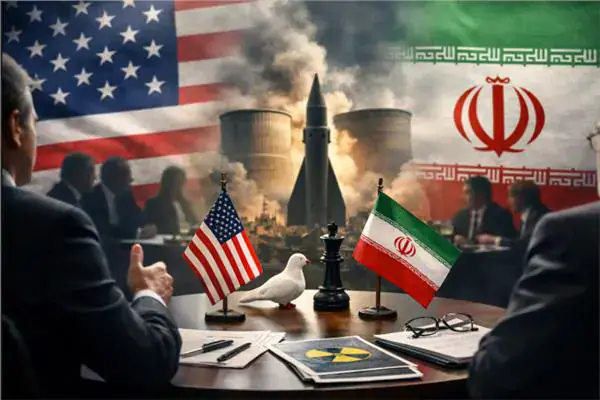
The United States and Iran are engaged in a new round of diplomatic efforts, with Qatar, Egypt, Saudi Arabia, Pakistan, and Turkey attempting to revive nuclear talks and prevent a military confrontation. According to sources, the US is considering allowing inspectors from the International Atomic Energy Agency (IAEA) to visit Iranian nuclear facilities in exchange for the release of frozen Iranian assets and the easing of some US sanctions. This move is aimed at reviving the stalled nuclear talks and preventing a military confrontation between the two nations.
The proposal, which is being mediated by Qatar, involves a reciprocal exchange of concessions between the US and Iran. In exchange for allowing IAEA inspectors to visit its nuclear facilities, Iran would receive some relief from US sanctions and the release of frozen assets. The US, however, is insisting that Iran must provide tangible concessions on its nuclear program, including the disposal of its enriched uranium stockpile. Iran, on the other hand, is demanding that the US lift some of the sanctions and release its frozen assets before making any concessions.
Iranian Parliament Speaker Mohammad Bagher Ghalibaf has stated that Iran has informed mediators of its seven conditions for any new agreement, including the lifting of sanctions, the release of frozen assets, and an end to military operations. Ghalibaf emphasized that any progress in talks would depend on the US acceptance of Iran's conditions. He also warned that a "carrot and stick" approach would not work with Iran, indicating that the country is determined to get a better deal.
The US and Iran have been exchanging messages, with US Vice President Mike Pence sending a letter to Iran's Supreme National Security Council. However, Iran has not responded to the letter, and it is unclear what the contents of the message were. Meanwhile, US President Donald Trump has stated that the communication was related to helping Iran obtain medical supplies and other needs, but denied that it was aimed at launching new talks.
The diplomatic efforts are taking place against a backdrop of increased military tensions between the US and Iran. The US has been studying military options against Iran, and has deployed additional military assets to the region. According to reports, US Defense Secretary Mark Esper has presented Trump with a range of military options, including a potential strike against Iranian military targets.
The timing of any potential military action is significant, as it coincides with the US midterm elections on November 3. There are concerns that a military confrontation with Iran could escalate in the aftermath of the elections. Regional sources have indicated that mediators are trying to reach a deal before the elections, in an effort to prevent a new wave of military action.
Despite these efforts, it remains unclear whether the US and Iran can reach a new agreement. The two sides have significant differences, and it is unclear whether they can find a mutually acceptable solution. The US is insisting on tangible concessions from Iran on its nuclear program, while Iran is demanding relief from US sanctions and the release of its frozen assets.
Key points
- The US is considering allowing IAEA inspectors to visit Iranian nuclear facilities in exchange for the release of frozen Iranian assets and the easing of some US sanctions.
- Iran has set seven conditions for any new agreement, including the lifting of sanctions, the release of frozen assets, and an end to military operations.
- The US and Iran are exchanging messages, but it is unclear whether they can reach a new agreement before the US midterm elections.