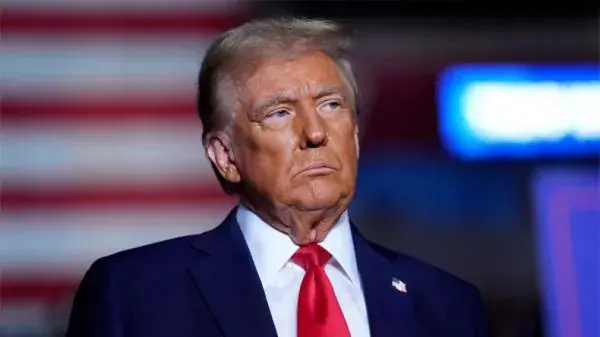
The United States has warned several Gulf allies to prepare for potential new strikes against Iran as early as November 4, according to reports. The alert was given by the administration of President Donald Trump, who has promised to keep all options open to prevent Iran from acquiring nuclear weapons. The possible operation is expected to be brief and intense, but there is no evidence that an attack order has been given.
The US midterm elections are set to take place on November 3, and President Trump has stated that he will not attack Iran before the vote. However, he has not ruled out the possibility of a new offensive after the elections. According to sources, Gulf capitals have been advised to anticipate an Iranian response, particularly against their strategic infrastructure. The White House has not confirmed any strike plans, reiterating that President Trump is keeping all options open.
Two diplomats have told Associated Press that Washington has not yet made a decision on the matter. Gulf countries are reportedly seeking to calm the situation, with one official suggesting that some states may refuse to allow their bases to be used for launching strikes. A limited campaign could quickly escalate if Iran were to respond by targeting oil installations or other regional infrastructure.
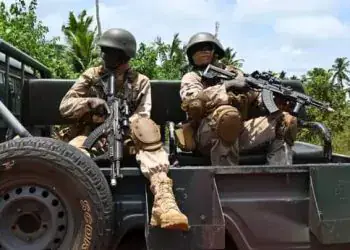
The US has been bolstering its military presence in the region, with additional Patriot batteries deployed in Saudi Arabia and Qatar. The USS Theodore Roosevelt aircraft carrier and its naval group, with 9,000 sailors and military personnel, are heading towards the Middle East, although their arrival is not expected until late November.
Qatar is attempting to avoid new strikes by engaging in diplomatic efforts. Qatari mediators have returned to Tehran with a negotiation plan, while US Vice President J.D. Vance has also been in contact with Iranian authorities through a letter to Mohsen Rezaei, secretary of the Supreme National Security Council.
However, these efforts have not yet led to any known agreements. The prospect of a new operation is dividing the US, with a Pew Research survey showing that 65% of Americans disapprove of President Trump's handling of the Iran conflict. Senator Chris Murphy has expressed concerns that a planned operation could lead to a devastating escalation.
The situation remains uncertain, with many stakeholders holding their breath as the US midterm elections approach. The international community is watching closely, as a miscalculation could have far-reaching consequences for regional stability and global security.
Key points
- US warns Gulf allies of potential strikes on Iran after midterms
- US bolsters military presence in region amid rising tensions with Iran
- Diplomatic efforts underway to prevent new strikes on Iran