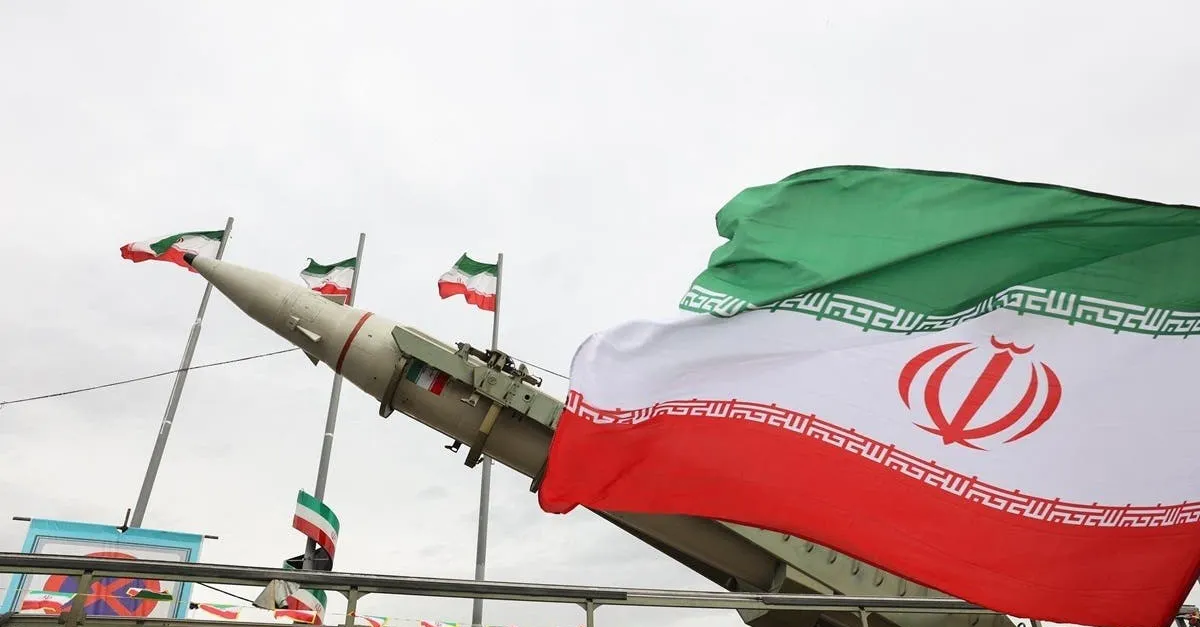
The US has expressed concerns that Iran is using high-resolution satellite imagery from Chinese commercial satellites to monitor American forces in the Middle East. According to Axios, citing US officials, Iran has been using the imagery to target US bases and track American warships in the Gulf and Arabian Sea. This development comes amid rising tensions between Washington and Tehran, with diplomatic efforts underway on the sidelines of the UN General Assembly in New York.
US officials have revealed that Iran is increasingly relying on high-resolution satellite imagery from Chinese commercial satellites to monitor US naval movements and locate its bases in the region. This intelligence has led to an immediate change in US military operating procedures to make it harder for Iran to track and target American warships. The US is also concerned that China is providing Iran with air defense systems and drone manufacturing components, which directly impacts US security in the region.
The US has directly warned China about its support for Iran. US Ambassador to China David Birdow stated that Washington has made it clear to Beijing that any assistance provided to Iran, whether direct or indirect, in terms of intelligence, military, or technology, is "totally unacceptable". President Donald Trump also personally delivered this warning to his Chinese counterpart, Xi Jinping, during their recent summit, reiterating the demand to halt all forms of support for Tehran.
China has responded by calling for a return to the understanding reached in June and urging a nuclear agreement. According to Chinese state media, Xi Jinping encouraged Trump to preserve the momentum of negotiations. Meanwhile, US officials have observed indications that China is responding to US concerns and has withdrawn some support.
On the sidelines of the UN General Assembly, US envoy Steve Biederman and Jared Kushner held indirect talks with Iranian Foreign Minister Abbas Araghchi, facilitated by Qatar. Iran presented conditions for reopening the Strait of Hormuz and resuming nuclear negotiations within a week, including the lifting of naval blockade and easing of oil sanctions.
The US and Iranian negotiators have made some progress, but significant differences remain. The US has insisted that Iran does not control the Strait of Hormuz and cannot dictate terms for its use. Despite this, Qatar's Prime Minister, Sheikh Mohammed bin Abdulrahman Al Thani, met with Iranian President Masoud Pezeshkian in New York, and sources indicate that Doha and Tehran are awaiting a US response to the Iranian proposal.
The situation remains fluid, with both sides exploring diplomatic channels. While there are positive developments, the path forward remains uncertain. The US, China, and Iran are engaged in delicate negotiations, with the US seeking to address its security concerns in the region while Iran pushes for relief from sanctions and economic pressures.
Key points
- The US has warned China that providing high-resolution satellite imagery to Iran for monitoring American forces is "totally unacceptable".
- Iran is using high-resolution satellite imagery from Chinese commercial satellites to monitor American forces in the Middle East.
- Diplomatic efforts are underway, with Qatar facilitating indirect talks between the US and Iran on the sidelines of the UN General Assembly.