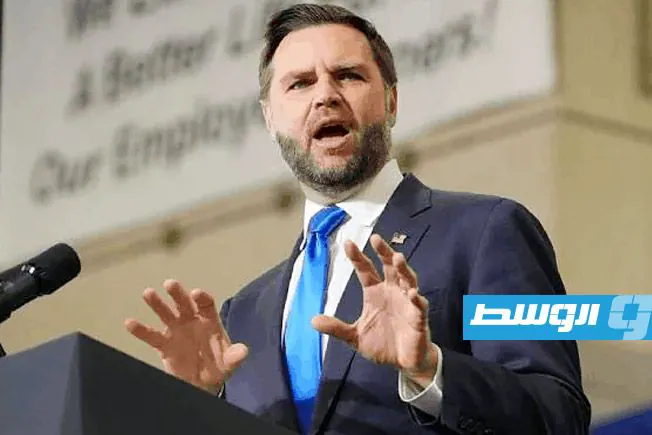
US Vice President JD Vance stated that Iran must make substantial reductions to its uranium enrichment capabilities in order to meet US demands and end the war between the two countries. The war has been ongoing for over seven months and has had a significant impact on global energy markets. Vance played a key role in negotiating a temporary agreement in September, but it quickly fell apart. He emphasized that any agreement would require Iran to make concrete concessions on its nuclear capabilities.
Vance's comments come as the US and Iran engage in discussions aimed at ending the war and reopening the Strait of Hormuz, a critical shipping route for global energy supplies. However, US President Donald Trump rejected Iran's latest offer, warning that military action may escalate after the upcoming midterm elections. Vance stressed that the US remains open to reaching an agreement, but it will require Iran to make tangible concessions on its nuclear program.
A key point of contention is Iran's uranium enrichment capabilities, with Vance arguing that the country should not have the ability to enrich uranium to 60% purity if it does not intend to develop a nuclear weapon. He stated that it is essential for Iran to take concrete actions regarding its enrichment capabilities, rather than simply providing assurances about its future intentions.
The US is also grappling with the challenge of understanding Iran's decision-making process, particularly in light of the recent deaths of several high-ranking Iranian officials. Vance noted that it is unclear who has the authority to make decisions in Tehran and that the US is engaging with Iranian President Masoud Pezeshkian and Foreign Minister Abbas Araghchi.
Iranian officials have pushed back against US concerns, with Foreign Ministry spokesperson Ismail Baghaei stating that US officials are well aware of their Iranian counterparts and the country's decision-making process. However, Vance emphasized that the US needs to see concrete actions from Iran, rather than just words.
The war has become a major issue in the US midterm election campaign, with rising energy prices posing a challenge for Trump and other Republicans. Vance sought to downplay criticism of Trump's handling of the conflict, urging voters not to let the issue prevent them from supporting Republican candidates.
The ongoing conflict has significant implications for global energy markets, with estimates suggesting that it is costing $3 billion per month. The US and Iran have been exchanging proposals, but a resolution remains elusive. Vance's comments highlight the need for a diplomatic solution to the crisis.
Key points
- The US is seeking significant reductions to Iran's uranium enrichment capabilities as part of any agreement to end the war.
- The conflict has had a major impact on global energy markets, with rising prices posing a challenge for US politicians.
- The US and Iran continue to engage in discussions aimed at resolving the crisis, but a resolution remains elusive.