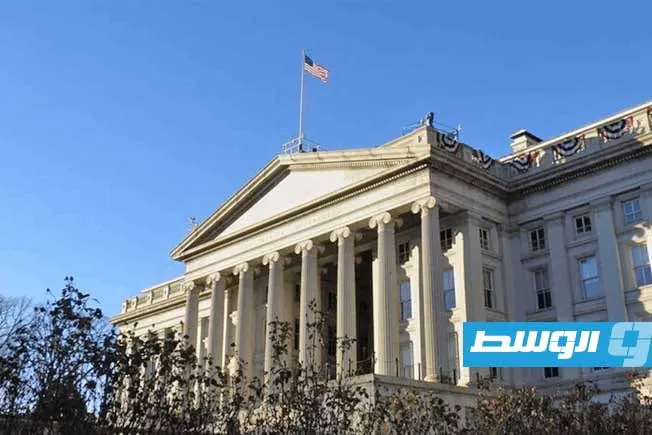
The US Treasury Department announced on Tuesday, September 29, 2026, that it has imposed sanctions on 10 individuals and entities in several countries. The department alleged that these individuals and entities participated in purchasing arms and military components for Iran's Ministry of Defense and Armed Forces Support. This move is part of the "Economic Outcast" operation, aimed at disrupting and isolating entities that provide material, technological, or financial support to Iran.
According to the Treasury Department, Iran's Ministry of Defense and Armed Forces Support is responsible for researching, producing, and purchasing arms for the Iranian military. The ministry also oversees organizations involved in developing ballistic missiles and drones. US Treasury Secretary Scott Piesent stated that the department will continue to target and disrupt entities that provide support to Iran, adding that Washington will continue to identify, expose, and isolate entities that support Iran.
The new sanctions aim to reduce Iran's ability to rebuild its armament programs and increase the cost of supporting Tehran's efforts to purchase military equipment. The Treasury Department's move is seen as an effort to pressure Iran to make concessions on its nuclear program and other issues. The sanctions also reflect the US government's concerns about Iran's military activities and its support for militant groups in the region.
The announcement comes amid reports that US President Donald Trump had offered to ease sanctions on Iran and release frozen Iranian assets in exchange for progress on the nuclear issue. However, Trump denied these reports, stating that he had not made any such offer. The Axios news site had reported that Trump was willing to offer relief to Iran in exchange for concrete progress on the nuclear file.
The Treasury Department's sanctions target individuals and entities in several countries, including those involved in the procurement of military equipment and components for Iran. The move is seen as part of a broader effort to counter Iran's military activities and its support for militant groups. The US government has been working to build international pressure on Iran to limit its nuclear program and military activities.
The sanctions also reflect the US government's concerns about the security situation in the Middle East, where Iran's military activities have been a source of tension. The region has seen a rise in military conflicts and terrorist attacks, and the US government has been working to build a coalition to counter Iran's influence.
The US Treasury Department's move is likely to have significant implications for the individuals and entities targeted, as well as for Iran's military activities. The sanctions are part of a broader effort to pressure Iran to change its behavior and to limit its military activities. The US government is likely to continue to impose sanctions on individuals and entities involved in supporting Iran's military activities.
Key points
- The US Treasury Department has imposed sanctions on 10 individuals and entities for their alleged involvement in purchasing arms for Iran.
- The sanctions aim to reduce Iran's ability to rebuild its armament programs and increase the cost of supporting Tehran's efforts to purchase military equipment.
- The move reflects the US government's concerns about Iran's military activities and its support for militant groups in the region.