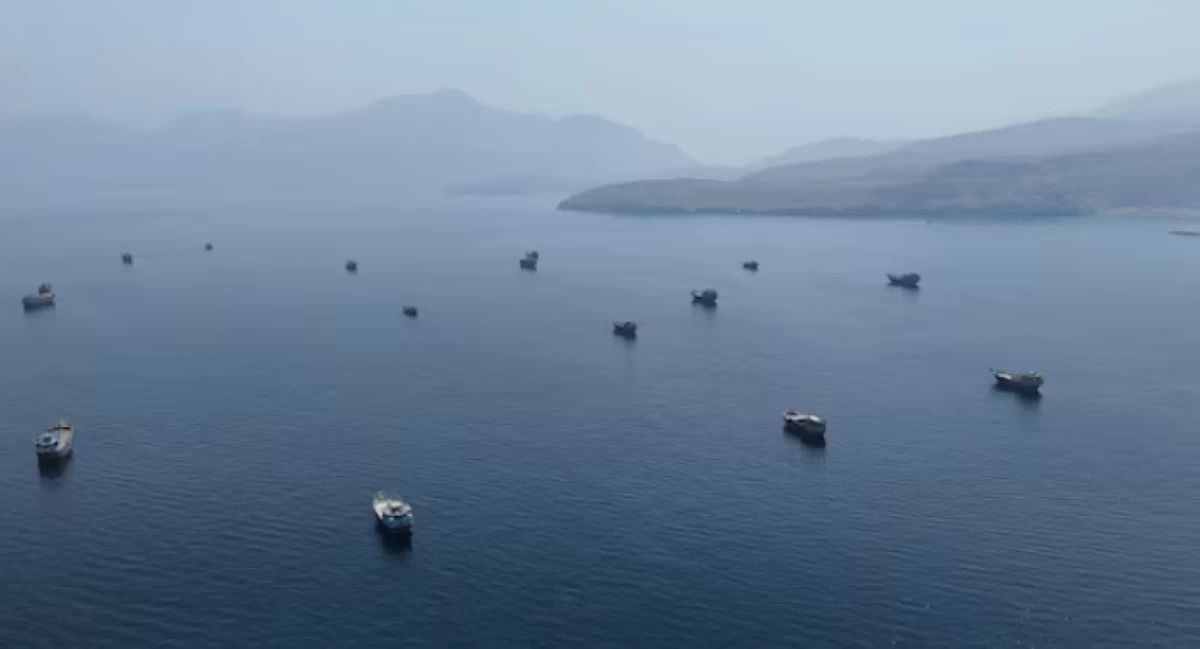
The United States has conveyed a message to Iran, stating that it does not have control over the Strait of Hormuz, a vital waterway for global oil exports. This message comes as Iran awaits a response from US President Donald Trump to a new proposal that includes resuming nuclear talks. According to the Axios website, the message was delivered through diplomatic channels, with Qatar playing a role in facilitating communication between the two parties.
The development is part of a new diplomatic effort, which includes Qatar, and follows a round of indirect talks between US envoys Steve Wiettkof and Jared Kushner, and Iranian Foreign Minister Abbas Araghchi, on the sidelines of the United Nations General Assembly in New York. Qatar had previously been involved in passing messages between the two sides. These talks are seen as an attempt to revive negotiations that had stalled.
During the talks, Araghchi presented Iran's conditions for reopening the Strait of Hormuz and resuming nuclear negotiations. The Strait of Hormuz is a critical waterway, with a significant portion of the world's oil exports passing through it. Any disruption to shipping through the strait could have major implications for global energy markets.
The US message to Iran emphasizes that Tehran does not have the authority to impose conditions on the reopening of the strait. This stance is likely to be seen as a challenge to Iran's position, as the country has previously suggested that it could close the strait in response to pressure from the US and its allies.
The diplomatic efforts come at a time of heightened tensions between the US and Iran, with the two countries having had a strained relationship since the US withdrew from the Iran nuclear deal in 2018. The US has since reimposed economic sanctions on Iran, which has had a significant impact on the country's economy.
The Iranian economy has faced significant challenges, including high inflation and a decline in the value of the country's currency. The US sanctions have also had an impact on Iran's ability to export oil, which is a major source of revenue for the country.
The situation remains complex, with many uncertainties surrounding the potential for future negotiations between the US and Iran. The response from President Trump to Iran's proposal will be closely watched, as it could have significant implications for the future of the relationship between the two countries.
Key points
- The US has informed Iran that it does not control the Strait of Hormuz and therefore cannot set conditions for its reopening.
- The diplomatic efforts come at a time of heightened tensions between the US and Iran, with the two countries having had a strained relationship since the US withdrew from the Iran nuclear deal in 2018.
- The situation remains complex, with many uncertainties surrounding the potential for future negotiations between the US and Iran.