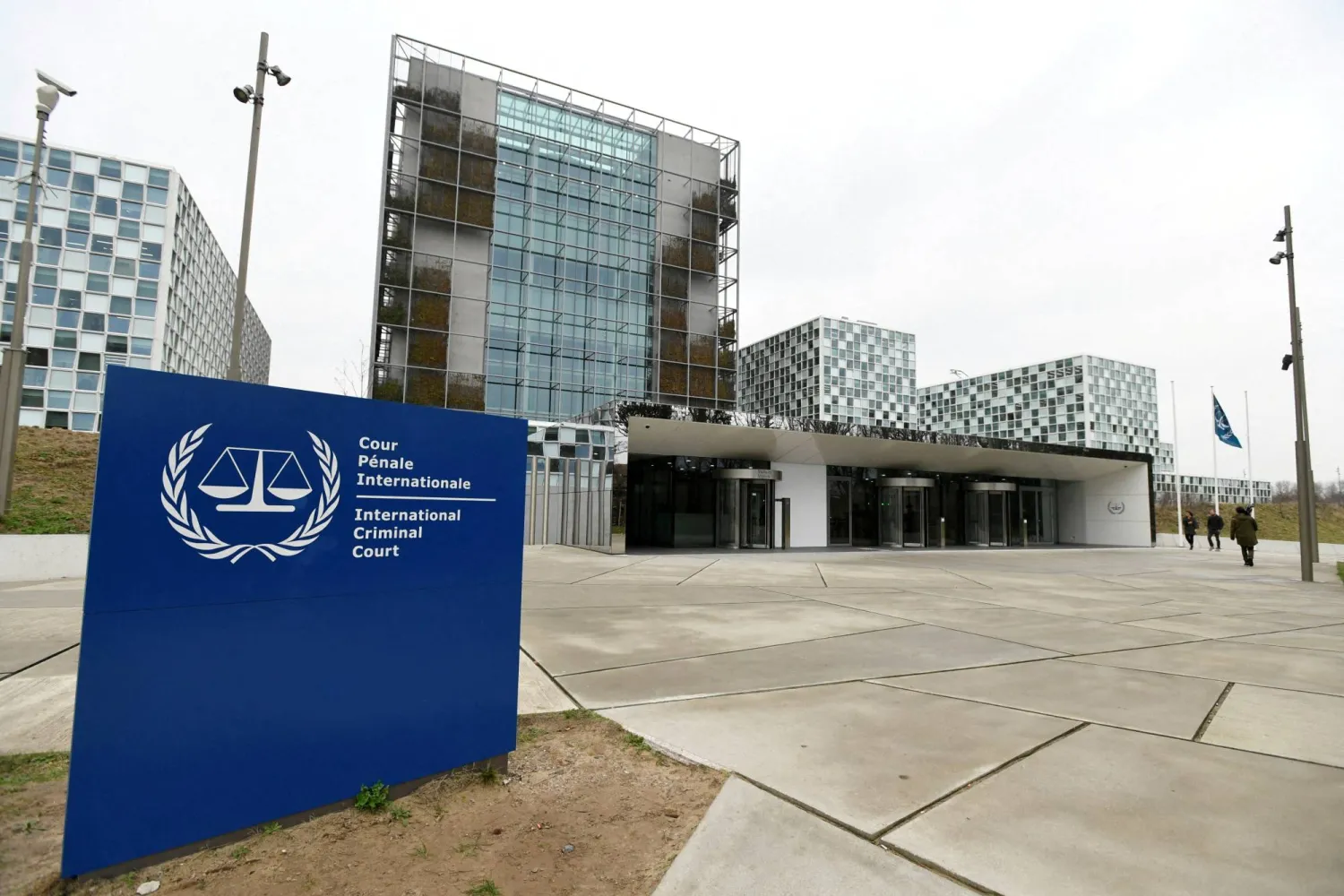
The US administration under President Donald Trump is preparing to impose sanctions on the International Criminal Court (ICC) as a whole. This move escalates the confrontation between Washington and the ICC, which investigates and prosecutes war crimes, genocide, and crimes against humanity. According to informed sources, the US has already prepared a package of sanctions, but the official announcement date remains uncertain.
The potential sanctions come amid an ongoing confrontation between the Trump administration and the ICC. Earlier, the US imposed sanctions on several ICC judges, officials, and its chief prosecutor. Targeting the ICC itself represents an expansion of US measures, which may also affect entities and individuals cooperating with the court. The US demands that the ICC drop arrest warrants for Israeli officials and opposes an investigation into US forces in Afghanistan.
The ICC opened an investigation in 2020 into alleged war crimes in Afghanistan, but later downgraded the investigation's priority. The US has been critical of the ICC's actions, leading to increased tensions between the two. The Trump administration's move may be finalized during the UN General Assembly meetings. This development has raised concerns about the potential impact on the ICC's operations and its ability to carry out its mandate.
If the US Treasury Department imposes comprehensive sanctions on the ICC, US citizens and companies may face restrictions on providing financial assistance, goods, or services to the court without a license from the Office of Foreign Assets Control. This could significantly affect the ICC's daily operations, including technical services, insurance, hiring investigators, financial transactions, and staff salaries.
ICC officials have warned that targeting the entire institution could severely hamper its ability to perform its duties. Many international financial institutions exercise extreme caution with US sanctions due to their connection to the US financial system. This situation has sparked concerns about the potential consequences for the ICC and its operations.
The potential sanctions have also drawn reactions from other countries and organizations. The move is seen as an attempt by the US to exert pressure on the ICC and limit its jurisdiction. This development has raised questions about the future of international cooperation and the role of the ICC in investigating and prosecuting international crimes.
The ICC has faced criticism and challenges in the past, but the US move to impose sanctions represents a significant escalation. The court's ability to function effectively will depend on its ability to navigate these challenges and maintain its independence. The international community will be watching closely to see how this situation unfolds and its implications for international justice.
Key points
- US sanctions on ICC may hinder court's operations and ability to investigate international crimes.
- Move seen as attempt by US to exert pressure on ICC and limit its jurisdiction.
- Situation raises questions about future of international cooperation and ICC's role in international justice.