The United States has taken a significant step against individuals responsible for impeding the resolution of international parental child abduction cases. This move targets foreign government officials, judges, judicial administrators, and law enforcement officials who intentionally obstruct the prompt resolution of such litigation, causing prolonged family separations and blocking the return of children to the US. The new policy aims to hold accountable those who fail to implement or comply with laws, policies, or court orders to resolve child abduction cases.
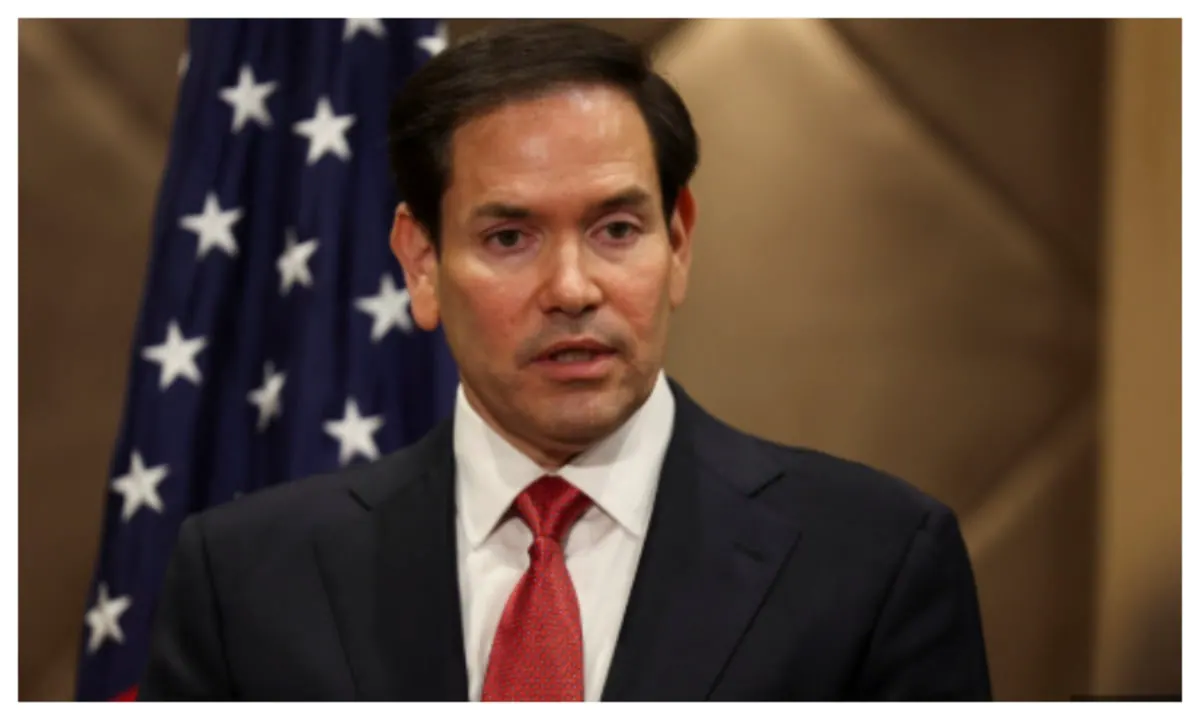
The visa ban was announced by US Secretary of State Marco Rubio on Monday. According to Rubio, protecting American children abducted across international borders and reuniting them with their parents remains a top priority for the administration. Parental child abduction is considered a serious offense, classified as a felony under state laws across all 50 US states and a federal crime under the International Parental Kidnapping Crime Act when a child is illegally taken abroad.
The issue of parental child abduction is addressed globally under the Hague Convention on the Civil Aspects of International Child Abduction. The treaty, ratified in the US in July 1988, requires the immediate return of children who have been wrongfully removed from or retained outside of their country of habitual residence. The convention has been adopted by 103 contracting parties, including countries and territories.
The new US policy provides a fresh accountability tool to press non-compliant countries to meet their obligations under the Hague Convention. Rubio emphasized that this policy gives the Department a means to encourage countries to cooperate in resolving international parental child abduction cases. The move is expected to encourage foreign governments to take concrete actions to resolve these cases.
The US Department of State has expressed concern over the increasing number of international parental child abduction cases. These cases often involve complex legal battles, with children being taken across international borders, making it challenging for parents to recover them. The new visa ban policy aims to deter foreign officials from prolonging these cases, thereby facilitating the reunification of families.
The International Parental Kidnapping Crime Act and the Hague Convention provide a framework for countries to cooperate in resolving parental child abduction cases. However, some countries have been criticized for not complying with their obligations under these agreements. The US move is seen as a step towards ensuring that countries take their responsibilities seriously and work towards resolving these cases promptly.
The US government's decision to introduce a visa ban on foreign officials responsible for prolonging parental child abduction cases has been welcomed by advocates for children's rights. The move is expected to have a positive impact on the lives of American children who have been abducted and are yet to be reunited with their parents.
Key points
- The US has introduced a visa ban on foreign officials who prolong international parental child abduction cases.
- The policy aims to reunite American children with their parents and hold accountable those who fail to implement or comply with laws to resolve child abduction cases.
- The move is part of a broader effort to address the issue of parental child abduction, which is considered a felony offense under US state laws and a federal crime under the International Parental Kidnapping Crime Act.