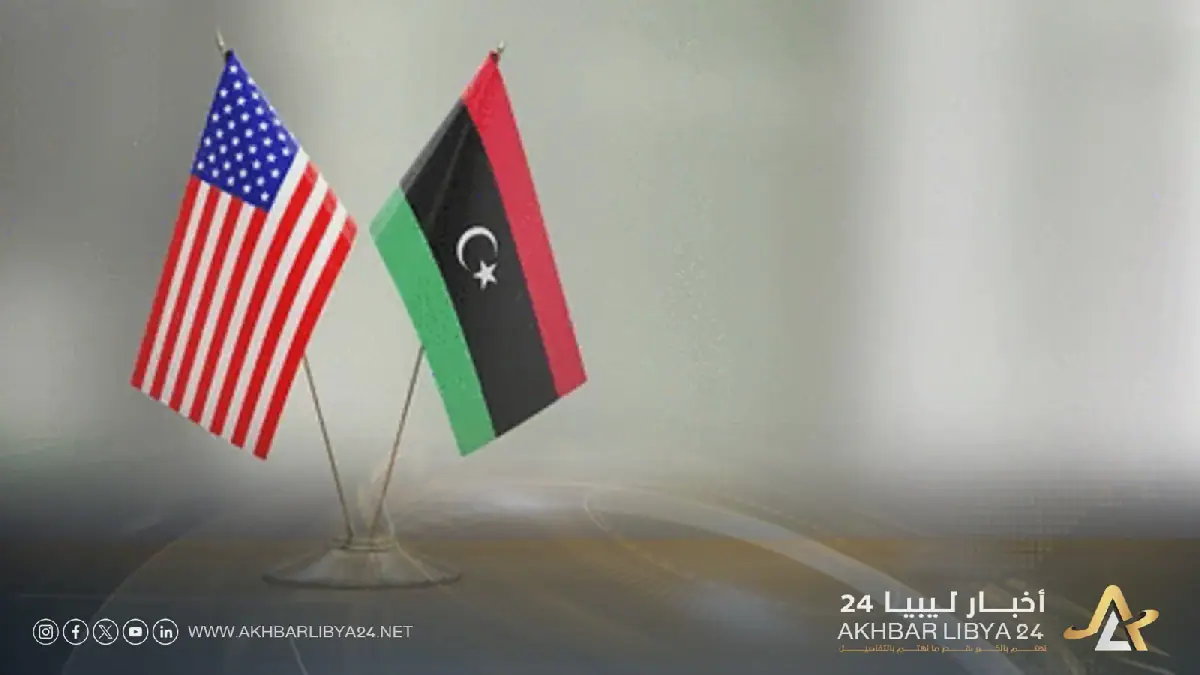
The United States has reaffirmed its support for Libya's efforts to complete its electoral process, with a focus on unifying the country's judiciary. US President's Special Envoy for the Middle East and Africa, Masood Bouls, stated that Washington backs the Libyan-led efforts to implement the August 30 agreement on presidential and parliamentary elections. This agreement was reached in coordination with the United Nations Support Mission in Libya.
Bouls emphasized that a unified judiciary is crucial for building state institutions and consolidating the rule of law, which is essential for conducting credible national elections. The US support for Libya's electoral process comes at a time when the country is facing challenges in implementing the political agreement. These challenges go beyond agreeing on electoral procedures to the ability of Libyan institutions to function within a unified legal framework.
The continuation of the "4+4" mini-dialogue committee, which is tasked with following up on the implementation of the August 30 agreement, is seen as a positive step towards moving the political process forward. However, the success of this committee will depend on its ability to address the challenges that lie ahead, including the need for a unified judiciary. A unified judiciary is not only essential for facilitating elections but also for ensuring that there is a trusted and impartial legal reference that can handle electoral disputes.
The importance of a unified judiciary cannot be overstated, as it will help to build trust in the electoral process and ensure that the results are accepted by all parties. The Libyan people expect tangible results from the ongoing efforts, including a unified judiciary and credible national elections. The current divisions in the country weaken the clarity of responsibilities, complicate the building of stable institutions, and make the political transition more prone to setbacks.
The US support for Libya's electoral process is not a guarantee of success, but it can provide important political backing for the efforts led by Libyan parties in coordination with the UN mission. Ultimately, the success of the electoral process will depend on the ability of Libyan parties to translate their understandings into actionable steps. The priority for the "4+4" committee and the judicial components is to preserve the independence and impartiality of the judiciary.
The implementation of the August 30 agreement and the holding of credible national elections will require a sustained effort from all parties involved. The Libyan people expect the elections to be a catalyst for stability, security, and economic growth. The international community, including the US, has a role to play in supporting Libya's efforts, but the ultimate responsibility for success lies with the Libyan parties.
The real test for Libya's electoral process lies not in the declaration of commitment to elections but in building the necessary legal and institutional conditions to ensure that the will of the voters is respected. The country's progress in this regard will be closely watched by the international community, and the success of the electoral process will depend on the ability of Libyan institutions to function in a unified and impartial manner.
Key points
- The US supports Libya's efforts to unify its judiciary as a crucial step towards conducting credible national elections.
- A unified judiciary is essential for building trust in the electoral process and ensuring that the results are accepted by all parties.
- The success of Libya's electoral process depends on the ability of Libyan parties to translate their understandings into actionable steps.