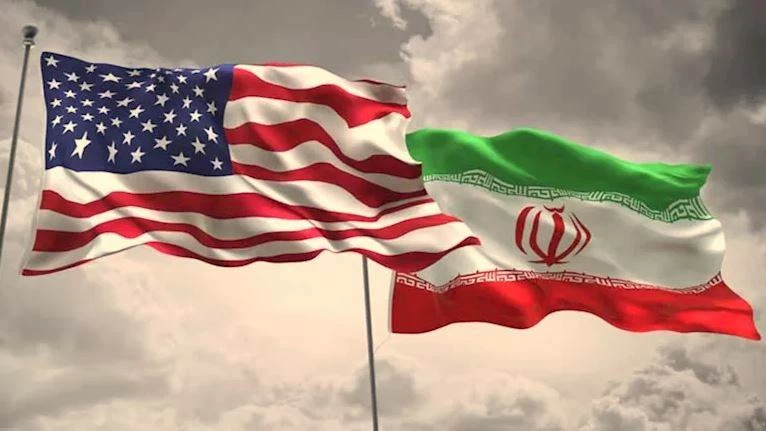
The United States has increased pressure on countries doing business with Iran, urging them to decide between continuing trade with Tehran and preserving economic relations with Washington. According to the Wall Street Journal, a senior US Treasury official recently visited several countries in the Middle East and Europe, warning that continued commercial dealings with Iran could lead to US action against those countries and institutions.
The US Treasury's assistant secretary for terrorist financing, Jonathan Berk, led the effort, meeting with officials in several countries. He reported a new sense of urgency among US partners to comply with American demands, with countries taking the warnings more seriously. Berk did not provide details on specific countries or outcomes but emphasized the US push to limit Iran's access to international finance.
The US campaign has focused on several key areas, including Iranian airlines such as Mahan Air, which the US accuses of links to the Iranian Revolutionary Guard. The Treasury official also discussed restrictions on financial transactions with Iranian banks, including Melli Iran, the country's largest commercial bank. These efforts aim to cut off what the US sees as remaining financial and trade channels to Iran.
During his visit, Berk met with British officials as the UK announced it would not renew exemptions allowing some Iranian banks to operate. This move may further restrict Tehran's access to European financial systems. The US has extended its pressure campaign to over 50 countries, with Azerbaijan and Georgia taking steps to limit access to their territories for Iranian airlines.
The US Treasury launched the "Economic Isolation of Iran" initiative in August, aiming to sever financial and trade ties with the country. As part of this effort, the US has imposed targeted financial measures against banks and service providers in the aviation sector. US officials have traveled to various countries to encourage governments to take action against Iran.
The US push reflects a broader strategy to enforce sanctions on Iran, which has been a point of contention between the US and Iran for years. The Trump administration has been particularly critical of Iran's nuclear program and regional activities. The US aims to limit Iran's economic options and isolate the country further.
The international community remains divided on the issue, with some countries opposing the US approach. The outcome of the US campaign and its impact on Iran's economy and international relationships remains to be seen. The situation is being closely watched by global powers and regional actors.
Key points
- The US is intensifying pressure on countries to choose between doing business with Iran or maintaining economic ties with Washington.
- The US Treasury has launched an initiative to cut off financial and trade channels to Iran, with a focus on Iranian airlines and banks.
- The campaign has extended to over 50 countries, with some taking steps to limit Iranian access to their territories and financial systems.