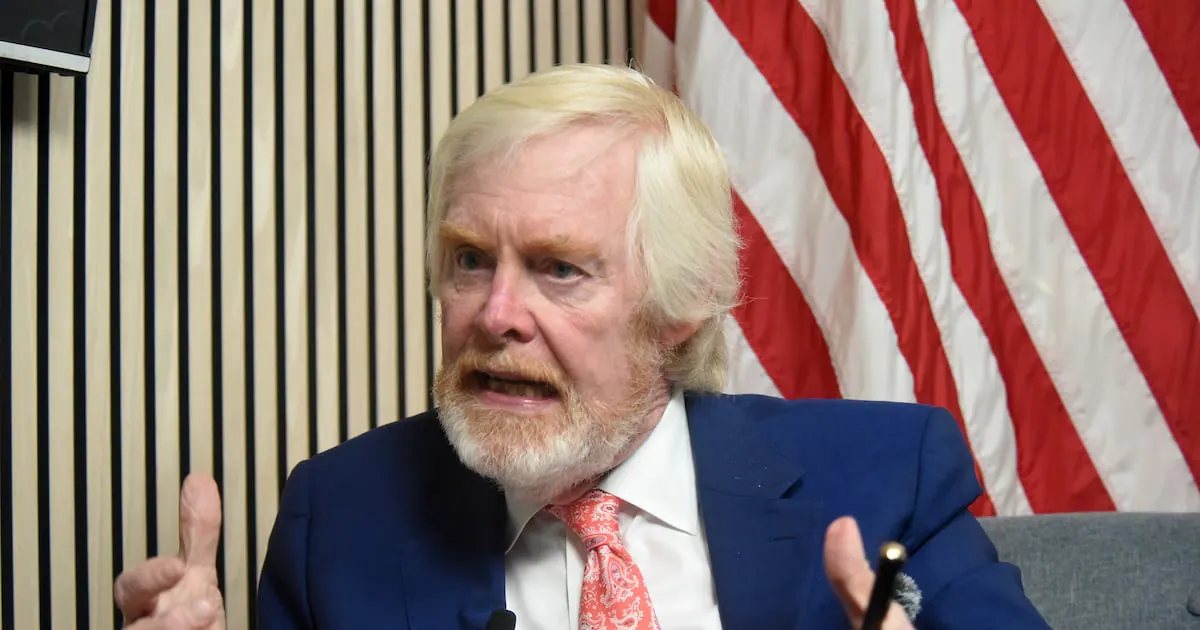
The strained relationship between the United States and South Africa has taken a notable turn with US Ambassador to South Africa Leo Brent Bozell III invoking the name of former President Thabo Mbeki. Bozell described Mbeki as the "best person" to break the current diplomatic impasse, citing his understanding of international diplomacy and economic engagement at the highest level. This statement comes at a time when relations between the two countries have been deteriorating over issues such as land reform, expropriation without compensation, and Black Economic Empowerment (BEE).
The relationship between the US and South Africa began to deteriorate significantly during the presidency of Donald Trump, with claims about the persecution and alleged "genocide" of Afrikaners. This issue has since evolved to include disputes over land reform, BEE, and South Africa's geopolitical positioning. Despite these challenges, President Cyril Ramaphosa has made efforts to engage with the US, including a visit to Washington where he met with Trump. The South African government has described this visit as an attempt to reset and revitalize bilateral relations.
South Africa has continued to engage with the US through diplomatic channels, with the Minister of International Relations and Cooperation maintaining communication with Washington. The country has also deployed diplomatic representatives and presidential envoys to manage the relationship. However, the US has expressed dissatisfaction with the current state of relations, with Bozell stating that Washington has "run out of patience." This raises questions about what exactly the US expects from South Africa in terms of policy changes.
The issue at hand is not whether the US is entitled to have concerns about South Africa's policies, but rather whether there is a point at which these concerns translate into expectations of political compliance. South Africa's transformation policies, including BEE, are rooted in the country's history and constitutional project. While these policies are open to debate and criticism, the decision on how to address structural inequalities ultimately lies within South Africa's constitutional and democratic processes.
The invocation of Mbeki's name by Bozell is conspicuous, given that Mbeki is Ramaphosa's predecessor. This public elevation of a former president while questioning the incumbent's handling of the relationship risks diminishing Ramaphosa's authority to conduct diplomatic relations on behalf of the South African state. It also raises questions about the intent behind Bozell's statement and its potential impact on the relationship between the two countries.
The dispute between the US and South Africa has not been confined to a single issue, but has rather encompassed a range of topics including the alleged persecution of Afrikaners, land reform, BEE, trade, and investment. The US has also imposed visa restrictions on South Africans it claims are connected to certain policies. This complex situation requires careful navigation to avoid further escalation.
As the relationship between the US and South Africa continues to evolve, it is essential to consider the implications of Bozell's statement and the potential consequences for diplomatic relations. The South African government has reiterated its commitment to engaging with the US, while also defending its sovereign right to pursue policies that reflect its own constitutional settlement and historical circumstances.
Key points
- The US Ambassador to South Africa has praised former President Thabo Mbeki's diplomatic skills, suggesting he could help break the current diplomatic impasse between the US and South Africa.
- The relationship between the US and South Africa has deteriorated over issues such as land reform, BEE, and geopolitical positioning.
- The invocation of Mbeki's name has raised questions about the intent behind the statement and its potential impact on the relationship between the two countries.