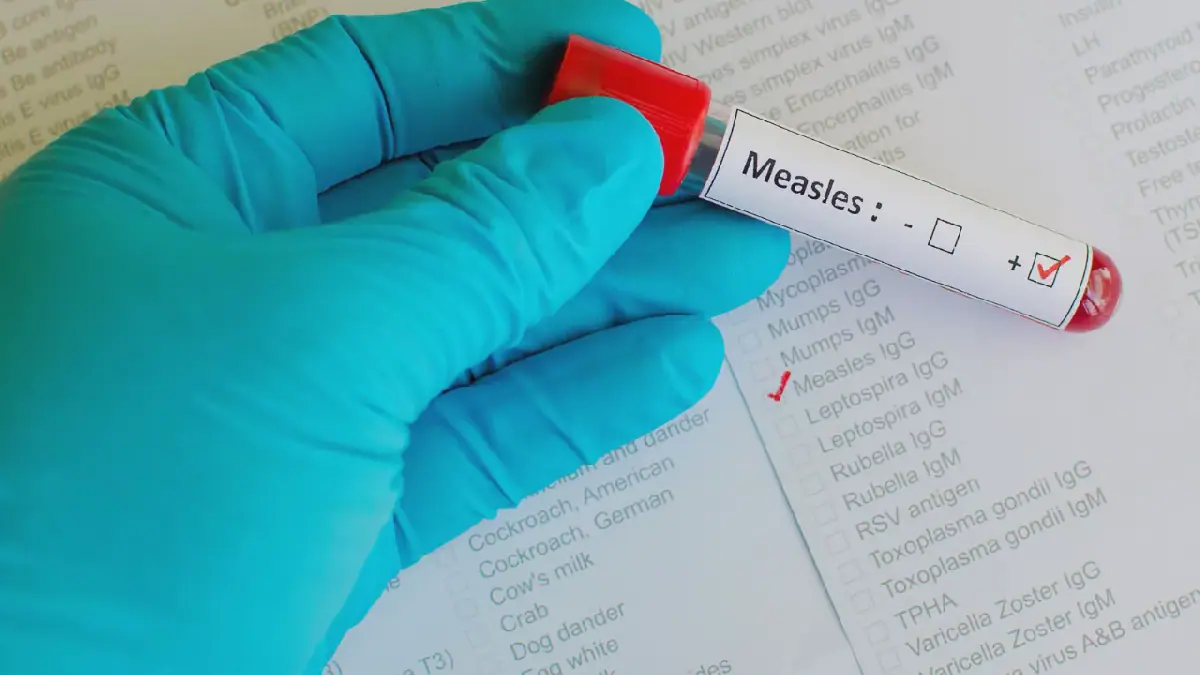
The United States is on the verge of losing its measles elimination status, achieved in 2000, due to a significant resurgence of the disease. According to reports from the Wall Street Journal and the Washington Post, an international committee of experts has decided to revoke this recognition, with an official announcement from the Pan American Health Organization (PAHO) expected on November 17. This development comes as the country faces a substantial increase in measles cases.
The US Centers for Disease Control and Prevention (CDC) has reported over 5,400 cases of measles in 2026, more than double the total recorded in 2025. Additionally, ten deaths have been reported this year, including seven in Pennsylvania. In contrast, three deaths were recorded in 2025, the first in nearly a decade. The rising cases have been linked to low vaccination rates, particularly in certain populations.
A country must have continuous measles transmission for at least 12 months to officially lose its elimination status. The New York Times reports that several transmission chains have remained active for over a year in the US. Concurrently, vaccination coverage for kindergarten students has declined from 95% before the COVID-19 pandemic to 92.4% during the 2025-2026 school year.
The recent epidemics have primarily spread within populations with low vaccination rates. This situation has also drawn criticism towards US Health Minister Robert F. Kennedy Jr., known for his controversial views on vaccines. The US would join Canada and several European countries that have lost their measles elimination status.
The PAHO's impending announcement is expected to confirm the US's loss of measles elimination status. This development highlights the challenges faced by the US in maintaining high vaccination rates and preventing the resurgence of measles. The country's vaccination coverage has been declining, contributing to the spread of the disease.
The resurgence of measles in the US has raised concerns about the country's public health infrastructure and its ability to control infectious diseases. The CDC and other health authorities have been working to address the issue, but the situation remains a pressing concern. The loss of elimination status would underscore the need for improved vaccination efforts and disease surveillance.
The US's potential loss of measles elimination status serves as a reminder of the importance of maintaining high vaccination rates and robust public health infrastructure. The situation will likely prompt renewed discussions about vaccine policies and strategies to address vaccine hesitancy.
Key points
- The US is expected to lose its measles elimination status due to a significant increase in cases and low vaccination rates.