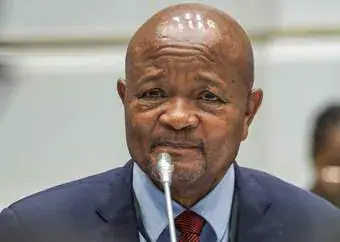
The United States has stated that neither Sudan's armed forces nor the Rapid Support Forces, nor their leaders, represent a legitimate and constitutional government in Sudan. According to the US State Department, these groups only maintain power through force. This statement was made by Tom Thomas "Tommy" Bigot, spokesperson for the US State Department, on Tuesday.
The US criticism comes as Sudan continues to experience intense fighting between the two main factions. The US has expressed disappointment that neither side has made serious commitments to an immediate ceasefire, instead escalating their military operations and drone strikes that have resulted in civilian casualties. The US has repeatedly called for both parties to accept an unconditional humanitarian ceasefire and engage in comprehensive political talks to transition to a civilian government.
The US emphasized that a lasting peace in Sudan requires these essential steps. The US, under President Trump, is willing to work with any party that genuinely seeks peace in Sudan. However, the US also intends to increase the cost of continued conflict for all warring parties and their supporting networks. This statement reflects a toughening of the US stance on Sudan.
The US move comes after it was announced that General Abdel Fattah al-Burhan, head of Sudan's Sovereign Council, was denied a US visa to attend the 81st session of the UN General Assembly in New York. According to sources, the US had conditioned the visa on Burhan's agreement to a 90-day ceasefire proposed by US adviser Masood Pulus.
Masood Pulus, in an interview, stated that the US is dealing with the Sudanese government as a fait accompli, but this does not imply official recognition. Pulus declined to comment on the visa denial for Burhan. The US stance indicates growing frustration with the ongoing conflict and the failure of Sudan's leaders to commit to peace.
The conflict in Sudan has resulted in significant humanitarian suffering, with thousands displaced and many civilians killed or injured. The US and other international actors are seeking a peaceful resolution to the crisis. However, the path to peace remains uncertain, with both sides showing little willingness to compromise.
The situation in Sudan remains volatile, with ongoing clashes and a deteriorating humanitarian situation. The international community, led by the US, is urging Sudan's leaders to commit to a peaceful resolution and a transition to a civilian government. The US statement reflects a firm stance on the legitimacy of Sudan's warring leaders.
Key points
- The US says Sudan's warring leaders lack legitimacy to rule.
- The US had conditioned a visa for General Abdel Fattah al-Burhan on his agreement to a 90-day ceasefire.
- The US is seeking a peaceful resolution to Sudan's conflict and a transition to a civilian government.