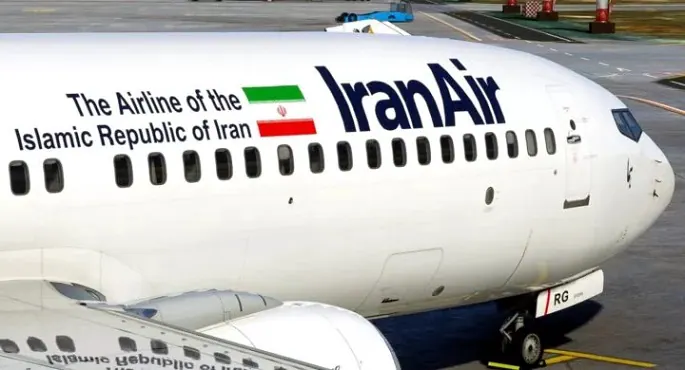
A new set of US sanctions on Iran's aviation sector took effect on Wednesday, September 23. The sanctions, announced by US Treasury Secretary Scott Piesent on Monday, aim to increase economic pressure on Iran. The US Treasury Department has blacklisted Iran's aviation sector, threatening to impose penalties on any entity that deals with Iranian airlines. This move is part of the US efforts to ramp up pressure on Iran amid ongoing military tensions.
The Iranian Civil Aviation Organization (CAO) announced that Baghdad and Muscat airports would no longer accept Iranian flights from midnight. However, the CAO later clarified that international flights, including those to Istanbul, would continue as scheduled. The CAO is reportedly in talks to redirect flights to Najaf airport in Iraq and Muscat in Oman. The development comes as Iranian airlines primarily transport Iranian pilgrims to holy sites in Iraq and Iraqi pilgrims back to their country.
The Iraqi government has not officially announced its procedures in response to the US sanctions. However, several sources, including a high-ranking government official, confirmed that Baghdad would comply with the US restrictions. With Iranian airlines no longer able to operate in Iraq, travel agencies are exploring alternative options, such as organizing land trips. Iraqi travel agencies had previously relied heavily on Iranian airlines to transport pilgrims to and from Iran.
The US sanctions have significant implications for Iranian airlines, which are expected to cease operations. According to US Treasury Secretary Scott Piesent, Iranian airlines will no longer be able to operate if they land in any country, as they will not be able to refuel, land, or sell tickets. The US move is likely to impact not only Iranian airlines but also the country's travel industry, which relies heavily on these airlines for international travel.
Iran has 27 airlines, mostly operating domestic flights. The country's national airline, Iran Air, and private carrier Mahan Air are the most prominent airlines for international flights, particularly to neighboring countries, Russia, and China. Since the US sanctions were announced, Georgia has banned all Iranian flights to and from its territory, while Mahan Air has suspended its flights to Turkey at Ankara's request.
The new US sanctions are expected to increase opportunities for Iranians to travel abroad or return to the country. Iran had closed its airspace completely following the start of the US-Israeli war in late February. Although some flights have resumed, Iranian airlines are currently the only ones operating international flights. The restrictions may lead to a surge in demand for alternative travel options, such as land trips or flights with foreign airlines.
The impact of the US sanctions on Iran's aviation sector and the country's economy remains to be seen. The Iranian government has not officially commented on the sanctions, but it is likely to face significant challenges in responding to the restrictions. The US move is part of a broader effort to increase pressure on Iran amid ongoing tensions in the region.
Key points
- The US sanctions on Iran's aviation sector aim to increase economic pressure on the country amid ongoing military tensions.
- Iranian airlines are expected to cease operations following the imposition of US sanctions.
- The sanctions may lead to a surge in demand for alternative travel options, such as land trips or flights with foreign airlines.