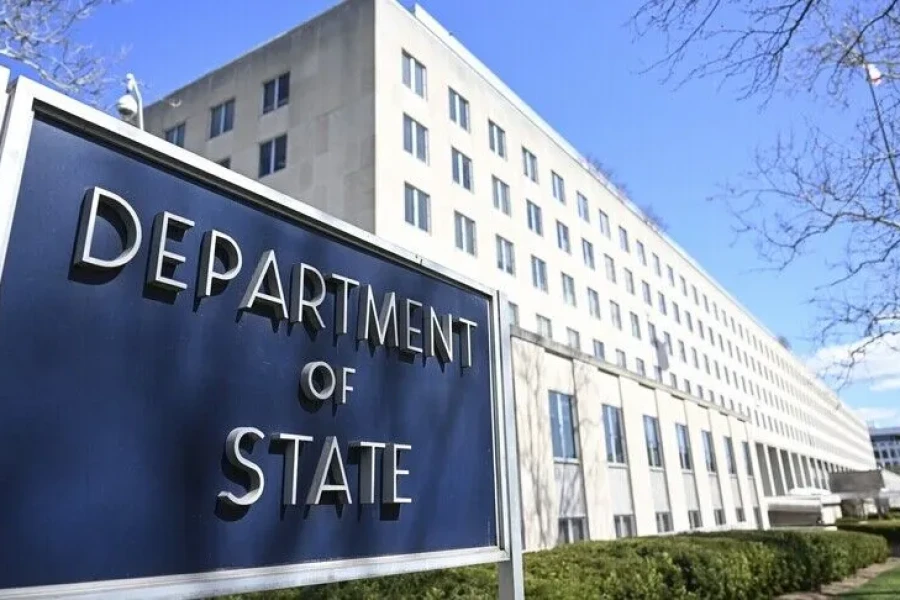
The United States has imposed sanctions on the International Criminal Court, according to an announcement by Secretary of State Marco Rubio on Friday. The move comes as the court's former judge, Navi Pillay, received the 2026 Nobel Peace Prize. Rubio stated that the US will not allow the ICC to prosecute Americans, and warned that if the court does not cease its "threats," the US will take action to dismantle it.
The sanctions are a result of the ICC's investigation into alleged war crimes committed by US allies, including Israel. In November 2024, the ICC issued arrest warrants for Israeli Prime Minister Benjamin Netanyahu and former Defense Minister Yoav Gallant. The US has previously sanctioned ICC judges and prosecutors, including the court's president, Tomoko Akane, in August.
Rubio emphasized that the US had delayed this decision in hopes that the ICC would change its stance or that its member states would take action to limit its authority. However, with no significant measures taken, the US has decided to impose sanctions. The ICC has rejected the sanctions, calling them an attack on the rule of law.
The International Criminal Court has 125 member states, but neither the US nor Israel is a party to the Rome Statute, the court's founding treaty. The ICC's jurisdiction is limited to crimes committed on the territory of member states or by their nationals. The US has long been critical of the ICC, citing concerns about its potential impact on US sovereignty.
The sanctions imposed by the US are seen as a significant escalation of tensions between the two entities. The ICC has called on its member states to ensure that it can continue its work. The move has been widely criticized, with many viewing it as an attempt to undermine the ICC's authority.
The Nobel Peace Prize awarded to Navi Pillay on the same day as the sanctions announcement has been seen as a contrast to the US's actions. Pillay, a South African jurist, served on the ICC's appeals chamber from 2003 to 2008 and has been recognized for her work in advancing international criminal justice.
The US's campaign against the ICC has been led by Secretary of State Marco Rubio, who has argued that the court poses a threat to US interests. The US has also threatened to take action against ICC officials and staff, sparking concerns about the potential consequences for the court's work.
Key points
- The US has imposed sanctions on the International Criminal Court.
- The sanctions are a response to the ICC's investigation into alleged war crimes committed by US allies.
- The move has been widely criticized, with many viewing it as an attempt to undermine the ICC's authority.