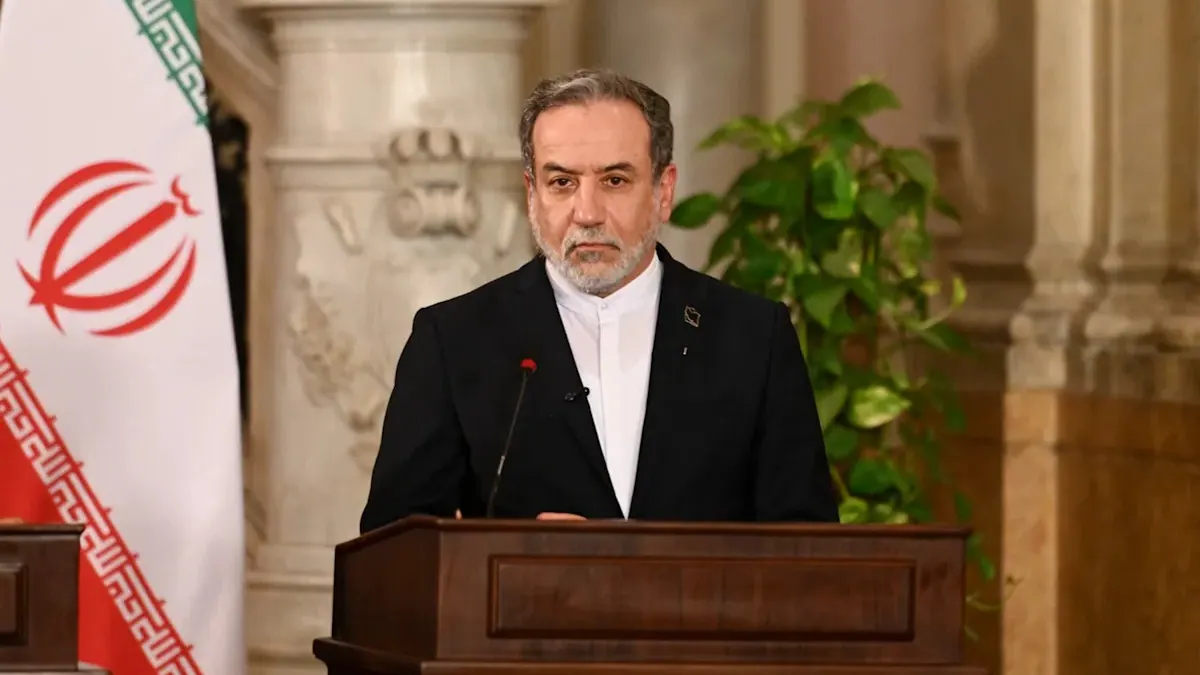
The United States has reportedly turned down a plan proposed by Iran to reopen the Strait of Hormuz, a vital waterway for global oil exports, within seven days in exchange for several concessions from the US. According to sources, the plan was put forth by Iranian officials, but the Trump administration was not convinced. The Strait of Hormuz has been a point of contention between the US and Iran, with the US imposing sanctions on Iranian oil exports.
The Iranian government has confirmed that it is still awaiting an official response from the US regarding the proposal. Despite this, Tehran has made it clear that it will not compromise on its nuclear program. Iran's stance on its nuclear program has been a major point of disagreement with the US and other world powers. The Iranian government views its nuclear program as essential for its energy needs and national security.
The rejection of Iran's plan comes amid heightened tensions between the US and Iran. The US has been imposing significant pressure on Iran's economy through sanctions, which has led to a sharp decline in Iranian oil exports. The Strait of Hormuz, which connects the Persian Gulf to the Gulf of Oman, is a critical waterway for oil exports, with around 20% of the world's oil passing through it.
The US-Iran relationship has been strained since the US withdrew from the Joint Comprehensive Plan of Action (JCPOA) in 2018. The JCPOA was a nuclear deal between Iran and six world powers, including the US, which aimed to limit Iran's nuclear program in exchange for relief from economic sanctions. The US withdrawal from the deal led to a significant escalation of tensions between the two countries.
The Pentagon has recently acknowledged a "shortage" of munitions, which could potentially impact the US military's ability to respond to emerging threats. This development has raised concerns about the US military's preparedness and its ability to engage in a potential conflict with Iran. The US has been maintaining a significant military presence in the region to counter Iranian influence.
A meeting between Iranian and Gulf officials, which was scheduled to take place recently, was postponed due to pressure from the US. The meeting was intended to discuss regional issues, including the Strait of Hormuz. The postponement of the meeting reflects the significant influence the US has over the region and its ability to shape the agenda of regional players.
The ongoing tensions between the US and Iran have significant implications for regional and global security. The two countries have been engaged in a series of proxy conflicts and diplomatic maneuvering, which has raised concerns about the potential for a wider conflict. The international community has been urging restraint and a return to diplomatic negotiations to resolve the differences between the two countries.
Key points
- The US has rejected Iran's plan to reopen the Strait of Hormuz in exchange for several concessions.
- Iran has made it clear that it will not compromise on its nuclear program.
- The US and Iran have been engaged in a series of proxy conflicts and diplomatic maneuvering, which has raised concerns about the potential for a wider conflict.