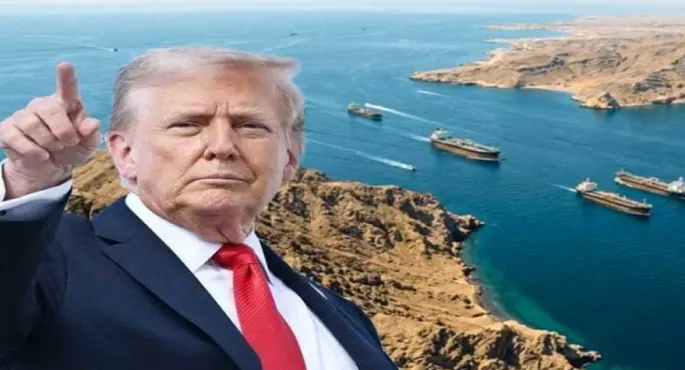
The United States has informed Iran that it does not wish to return to a previous understanding aimed at reopening the Strait of Hormuz. This development comes as Washington continues to pressure Iran, while US President Donald Trump's stance may change with ongoing war results and midterm election outcomes. According to a report by The Wall Street Journal, the Trump administration rejected returning to a previous memorandum of understanding.
The memorandum included reopening the Strait of Hormuz and initiating negotiations on Iran's nuclear program in exchange for easing sanctions. Iran, however, insisted on demands that included easing the naval blockade and sanctions, as well as keeping US warships away from the Arabian Gulf. The US reportedly rejected Tehran's demands regarding imposing fees on ships passing through the Strait of Hormuz.
These developments occur amid disputes over the future of navigation in the Strait of Hormuz. Previous reports indicated that Washington views reopening the strait to commercial shipping as a prerequisite for ending military operations. In contrast, Tehran continues to demand the lifting of the naval blockade as part of any settlement. The situation remains complex, with both sides maintaining their stances.
The Wall Street Journal report highlighted the ongoing tensions between the US and Iran. Washington's stance on the Hormuz understanding reflects its continued pressure on Tehran. The US aims to limit Iran's nuclear program and influence in the region. Iran, on the other hand, seeks relief from economic sanctions and guarantees for its security.
The rejection of the Hormuz understanding has significant implications for regional stability. The Strait of Hormuz is a critical waterway for global oil shipments, and any disruption to its operations could have far-reaching consequences. The US and Iran have engaged in a series of diplomatic efforts, but a lasting resolution remains elusive.
President Trump's stance on Iran may evolve in response to changing circumstances. The ongoing war and midterm election results could influence his approach to Tehran. A shift in US policy could potentially pave the way for renewed negotiations between the two nations. However, the current situation remains uncertain, with both sides maintaining their positions.
The international community continues to monitor developments in the region closely. Any agreement between the US and Iran could have significant implications for global security and stability. Key players, including European nations, have expressed interest in facilitating dialogue between the two nations. A peaceful resolution to the conflict remains a priority for many countries.
Key points
- US rejects Hormuz understanding, insists on continued pressure on Iran
- Iran demands easing of naval blockade and sanctions
- US stance on Iran may shift with ongoing war results and midterm elections