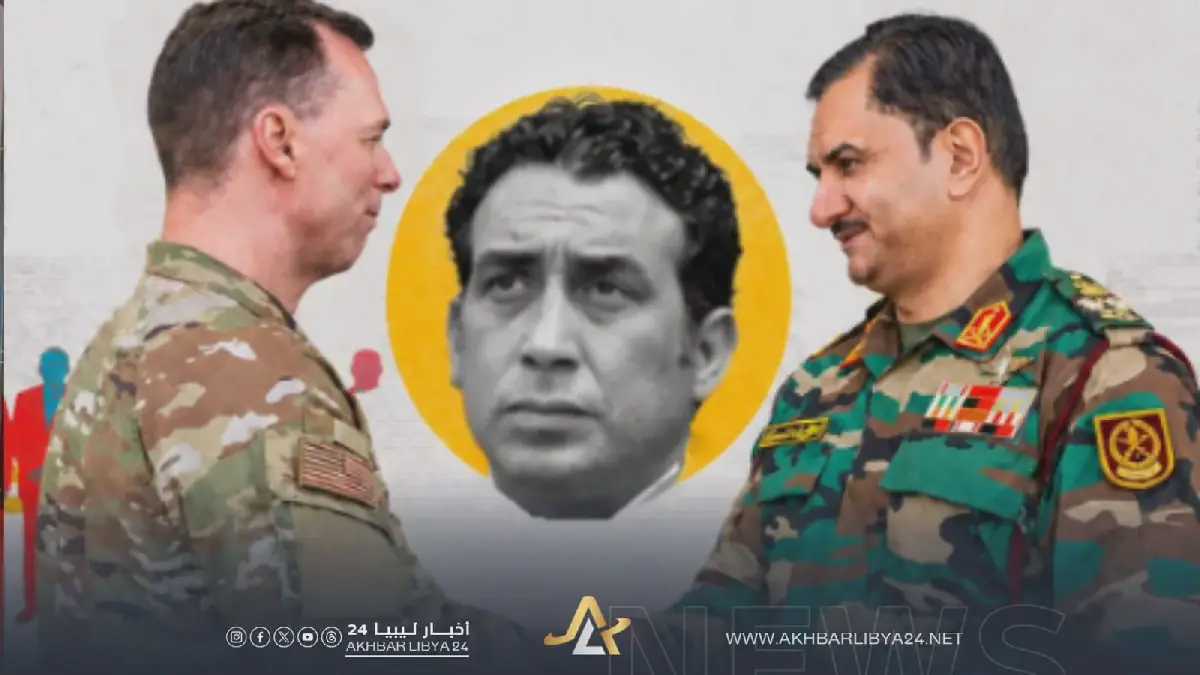
Recent developments in Libya have sparked questions about the country's future, as the US military's Africa Command (Africom) engages with Libyan military leaders. Africom's commander, General Dagvin Anderson, visited Sirte and Tripoli, meeting with top military officials, including Lieutenant General Sadam Hifter, deputy to the commander-in-chief of the Libyan armed forces. These meetings focused on enhancing military cooperation, security, and efforts to unify the country's military.
The absence of Presidential Council head Mohamed al-Menfi from Africom's meetings has raised eyebrows, given his role as commander-in-chief of the Libyan army. This development may signal a shift in US strategy, prioritizing engagement with military leaders over traditional political bodies. The US seeks to bolster support for Libya's military, countering threats from terrorism and extremism. Libya's complex political landscape, marked by divisions and delays in elections, has hindered progress toward stability.
The US has been pushing for a new political track, aiming to resolve Libya's crisis through a settlement. This effort has been met with resistance from some parties, including al-Menfi, who insists on the importance of existing institutions. The US has expressed frustration with parties it accuses of obstructing the political process, hinting at potential sanctions. The situation is further complicated by the presence of multiple power centers in Libya, with different agendas and interests.
During his visit, General Anderson discussed the upcoming "Flintlock 2027" exercise, a military training event aimed at enhancing cooperation between Libyan and international forces. The exercise is seen as a crucial step toward unifying Libya's military and improving its capabilities. Anderson also met with Prime Minister Abdul Hamid al-Dbeiba, focusing on security cooperation and efforts to stabilize the country.
The "Flintlock" exercises have become a key aspect of US-Libya military cooperation, promoting interoperability and capacity building. This year's event will involve participants from various countries, further underscoring the international community's commitment to supporting Libya's security. The exercise is also seen as a way to build trust and facilitate communication among Libyan military leaders from different regions.
The shifting US approach may have significant implications for Libya's future. By engaging directly with military leaders, the US may be signaling a willingness to work with key players on the ground, rather than solely relying on traditional political institutions. This development could lead to a more effective and sustainable approach to stabilizing Libya, but it also carries risks and uncertainties.
As the situation in Libya continues to evolve, the international community remains closely engaged. The US, in particular, appears to be reevaluating its strategy, seeking to support Libya's military and security efforts while promoting a more stable and unified country. The success of these efforts will depend on various factors, including the willingness of Libyan parties to cooperate and the effectiveness of international support.
Key points
- US military leaders engage with Libyan counterparts to promote military unity and stability
- Absence of Presidential Council head Mohamed al-Menfi from Africom meetings signals potential shift in US strategy
- Upcoming "Flintlock 2027" exercise aims to enhance cooperation between Libyan and international forces