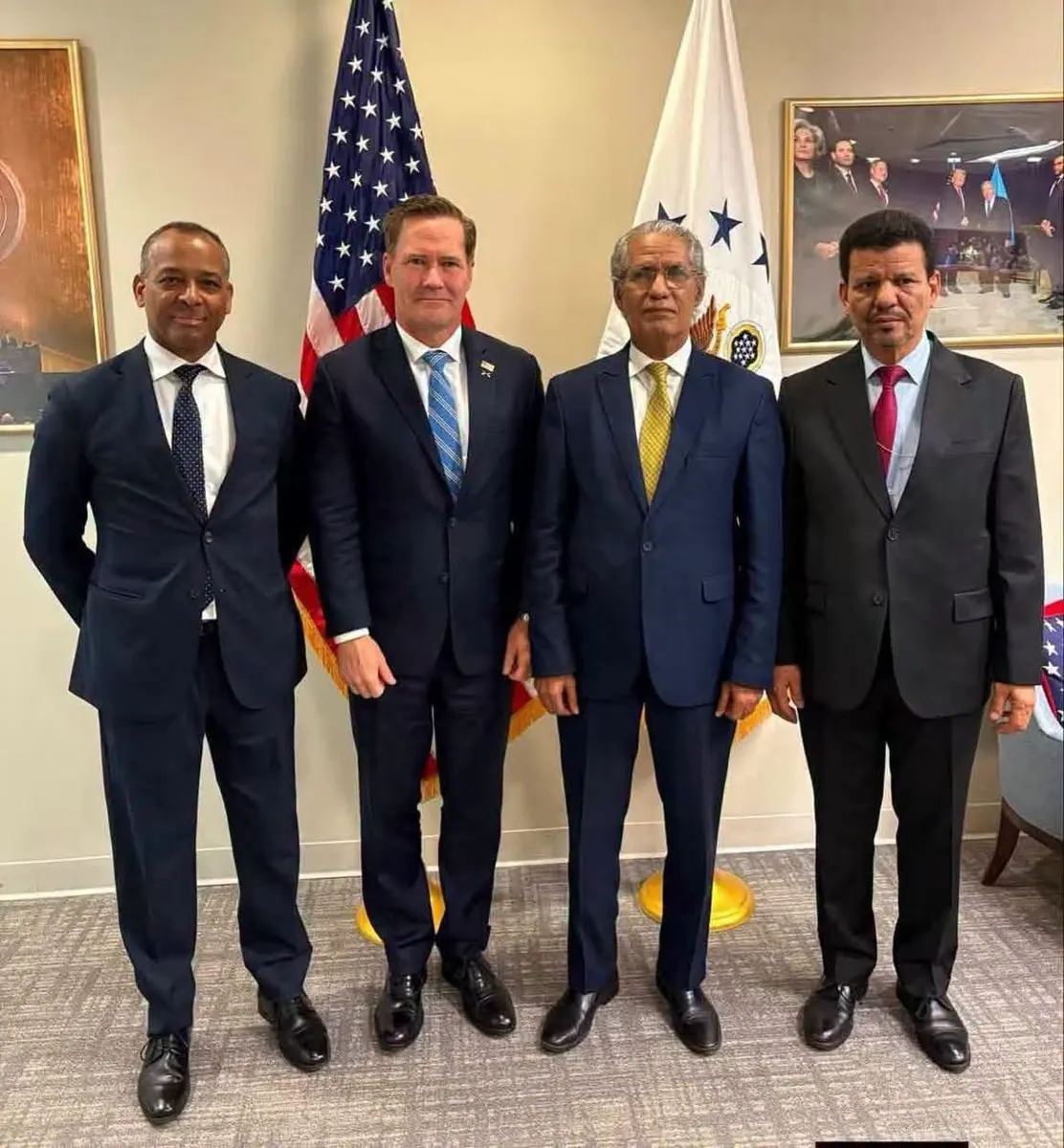
The United States has taken a significant step in the Western Sahara conflict by engaging with the Polisario Front, a key player in the dispute. On September 30, US Ambassador to the United Nations Mike Waltz met with a high-level delegation from the Polisario Front at the UN headquarters in New York. This meeting comes amid heightened diplomatic activity by the US around the Western Sahara issue. Waltz emphasized that Sahrawi refugees, who have been living in camps in Tindouf for 50 years, deserve real alternatives and not another decade of waiting.
The Polisario Front delegation, led by prominent figures including Mohamed Salem Salek, Mohamed Yislam Beisat, and Sidi Mohamed Omar, discussed the ongoing conflict with Waltz. The US envoy's statements on social media highlighted that a basis for a peaceful and definitive settlement is already on the table, contradicting Moroccan claims that the issue is resolved. This development signals a potential shift in US policy, which may no longer align with Morocco's stance on the matter.
The meeting between Waltz and the Polisario Front delegation occurs against a backdrop of recent statements from senior US officials regarding the regional impasse. Massad Boulos, a special advisor to the US presidency for Arab and African affairs, recently stated that there is no imminent solution to the conflict. Boulos acknowledged the challenges of imposing a unilateral autonomy plan favored by Morocco and praised Algeria's constructive role in facilitating peace efforts.
Boulos emphasized that Algeria is a valuable partner to the US and should not be blamed for the lack of progress in resolving the conflict. He noted that the final decision and expression of political will rest with the Sahrawi people through their representative institutions. This stance suggests that the US is seeking a more balanced approach, taking into account the interests of all parties involved.
The combined statements by Waltz and Boulos indicate a subtle but significant adjustment in US policy. By stressing the need for genuine options for Sahrawi refugees and maintaining dialogue with all stakeholders, Washington appears to be revitalizing a stalled peace process. This approach moves away from unilateral visions and instant diplomatic victories.
The Western Sahara conflict remains one of the most complex issues in North African geopolitics, with every statement at the UN being closely scrutinized. The US engagement with the Polisario Front and its emphasis on Sahrawi refugees' rights may have significant implications for the region. Morocco's claims of a resolved conflict are being challenged, and the international community is watching closely.
The developments in US policy may have far-reaching consequences for the region, potentially altering the dynamics of the conflict. As the situation unfolds, it remains to be seen how Morocco and other stakeholders will respond to the US's renewed engagement with the Polisario Front and its emphasis on Sahrawi refugees' rights.
Key points
- The US has reaffirmed its support for Sahrawi refugees and complicated Moroccan plans for the Western Sahara region.
- US envoy Mike Waltz met with a Polisario Front delegation, emphasizing the need for genuine alternatives for Sahrawi refugees.
- The US engagement may revitalize a stalled peace process, moving away from unilateral visions and instant diplomatic victories.