The US administration has proposed relaxing regulations aimed at protecting coal miners from black lung disease, a fatal respiratory illness caused by inhaling coal dust and silica particles. The proposal, published in the Federal Register on November 12, would maintain the 2024 limit of 50 micrograms of respirable crystalline silica per cubic meter of air but make several changes to how mines monitor exposure and protect workers. The changes have sparked concerns among advocates and health professionals that they could weaken protections for miners.
Coal mining is a hazardous occupation with severe health consequences, including black lung disease, which can render miners unable to breathe. Despite the risks, many miners, including John Robinson, a 60-year-old former coal miner from Virginia, have spoken out about the need for stricter regulations. Robinson was diagnosed with black lung disease at 47 and now serves as vice president of the National Black Lung Association. He emphasized that coal companies lure miners with high salaries but often discard them when they become ill.
The proposed revisions have drawn criticism from advocates, who argue that they could significantly undermine protections for miners. Brendan Muckian-Bates, a policy analyst at the Appalachian Citizens' Law Center, stated that the changes could effectively raise the exposure limit by 10 micrograms, giving companies more control over how they apply the rule. The proposed rule would also eliminate regular sampling of air in underground mines every six months, allowing operators to determine when tests are necessary.
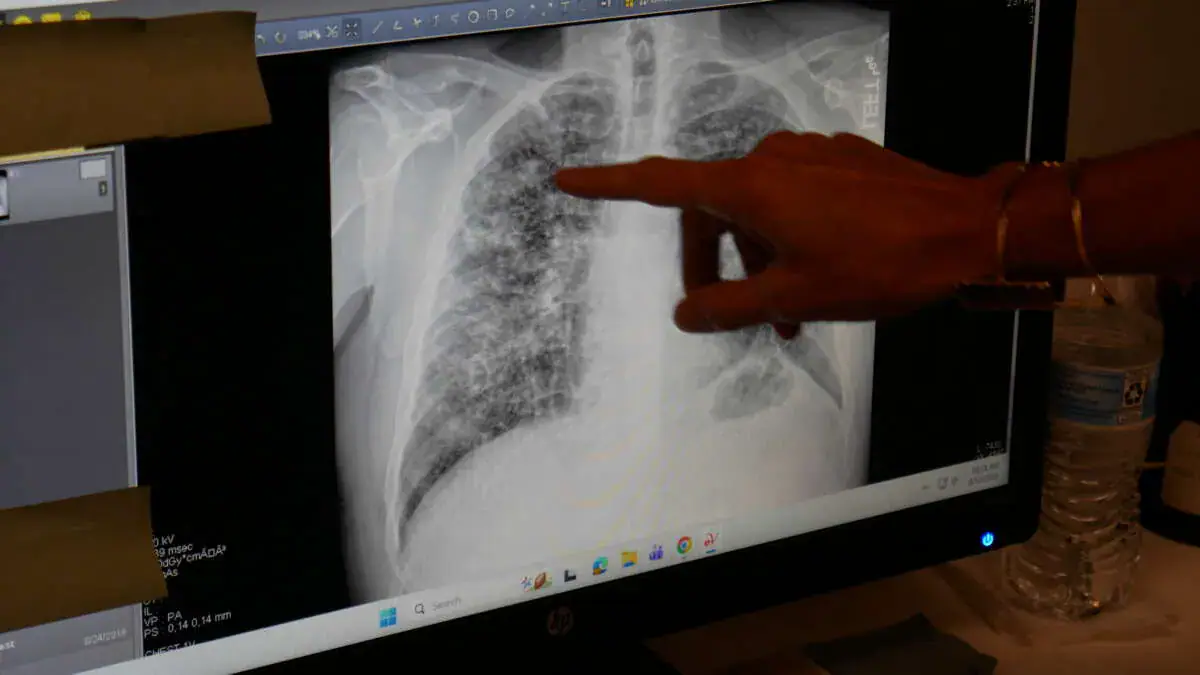
Black lung disease, also known as coal miners' pneumoconiosis, is a progressive and incurable condition that can cause severe inflammation in the lungs. According to the National Institutes of Health, up to one in three coal miners with over 25 years of experience had a positive test for black lung disease in the 1960s and 1970s. Although rates declined to historic lows in the 2000s, they have been rising again, with over one in three miners in central Appalachia testing positive for the disease in routine health exams over the past three years.
The 2024 rule, finalized under the Biden administration, aimed to update protections in coal mines and other industries that extract metals and non-metals. The rule was intended to address the growing epidemic of black lung disease, which has been increasing among younger miners. However, the proposed revisions have sparked concerns that they could roll back hard-won protections for miners. The public has until January 11 to comment on the proposed rule.
The US Mine Safety and Health Administration has proposed the revisions amid pushback from the mining industry. While the administration has maintained the 50-microgram limit, critics argue that the changes could undermine the effectiveness of the rule. The proposed rule would also make voluntary medical exams for new miners in metal and non-metal mines, whereas the 2024 rule made them mandatory.
Advocates and health professionals have expressed concerns about the proposed revisions, citing the need for stricter regulations to protect miners from black lung disease. The disease has been linked to increased exposure to silica particles, which can cause severe inflammation in the lungs. As the public comment period begins, stakeholders will be watching closely to see how the administration responds to concerns about the proposed rule and its potential impact on miners' health.
Key points
- The proposed rule would maintain the 2024 limit of 50 micrograms of respirable crystalline silica per cubic meter of air but make several changes to how mines monitor exposure and protect workers.