The US administration has proposed a $5 billion fund to rebuild damaged energy infrastructure in the Middle East and develop export routes that bypass the Strait of Hormuz. The fund, called the Partnership for Allied Trust and Construction (PACT), aims to secure energy routes in the region. The US is seeking equivalent contributions from eight Gulf countries, including Saudi Arabia, the United Arab Emirates, Qatar, Bahrain, Kuwait, Oman, Iraq, and Jordan.
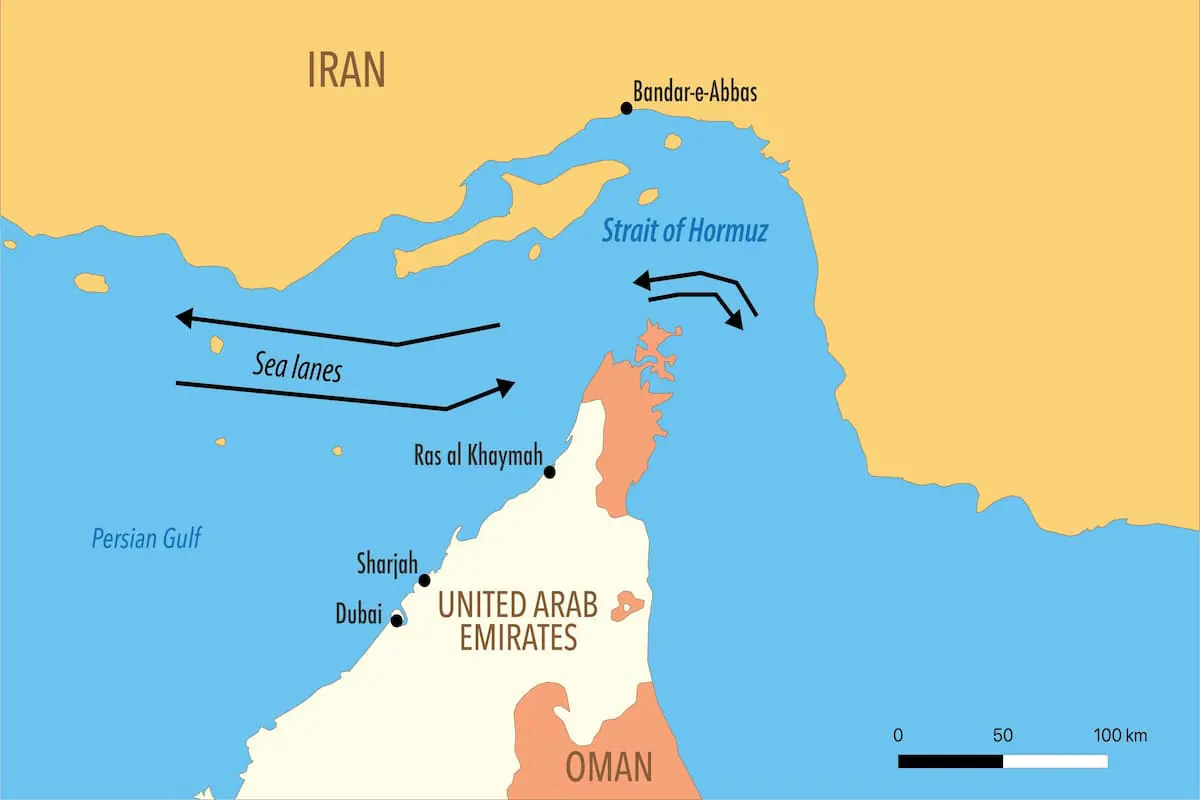
The proposed fund is part of a broader effort to reduce the region's dependence on the Strait of Hormuz, a critical waterway for oil and gas exports. The strait has been vulnerable to disruptions, including attacks on energy installations and infrastructure. The US initiative aims to support new infrastructure that would allow hydrocarbons to be transported to international markets without relying solely on the strait.
The fund could finance the repair of damaged pipelines, refineries, and export facilities, as well as support new infrastructure projects. This would help to restore and enhance the region's energy export capabilities. Several Gulf producers and Iraq are seeking to strengthen their land-based routes and port capacities to diversify their export options.
One of the main objectives of the US project is to develop alternative energy corridors to the Strait of Hormuz. Saudi Arabia and the UAE already have infrastructure in place to transport some of their oil to ports that do not depend directly on the strait. However, other countries, such as Kuwait and Qatar, remain heavily exposed to this shipping route.
The timeline for reconstruction poses a challenge, with some regional officials expressing concerns that investing heavily in new infrastructure before a settlement with Tehran could leave these installations vulnerable to further attacks. The cost of repairing damaged energy infrastructure is estimated to be tens of billions of dollars.
The US initiative reflects a desire to permanently alter the geography of regional energy flows. The development of alternative routes could reduce the vulnerability of Gulf exports to disruptions in the Strait of Hormuz, but it is unlikely to eliminate the strategic importance of the waterway in the short term.
The proposal is still under discussion, with the US seeking to secure commitments from its Gulf partners. If successful, the $10 billion fund would support significant investments in the region's energy infrastructure, enhancing the resilience of energy exports and reducing the risks associated with the Strait of Hormuz.
Key points
- The US proposes a $5 billion fund to secure Gulf energy routes.
- The fund aims to develop export routes bypassing the Strait of Hormuz.
- The initiative seeks to reduce the region's dependence on the vulnerable Strait of Hormuz.