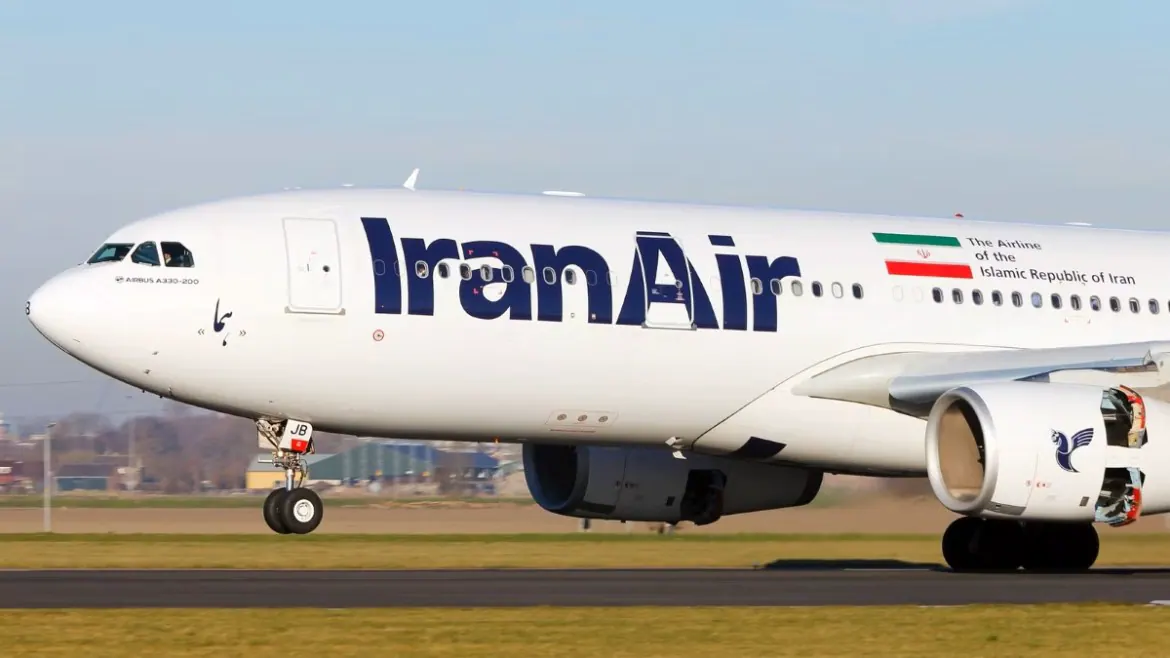
The United States has imposed a global ban on Iranian planes and airlines, restricting them from landing anywhere in the world. US Treasury Secretary Scott Bessent announced the move on September 21, 2026, citing American sanctions aimed at keeping pressure on Tehran. The ban, effective September 23, will severely impact Iran's aviation sector, which has long struggled with sanctions limiting its ability to acquire new aircraft and maintenance services.
The US Treasury Department has taken a firm stance against Iran's aviation sector, targeting firms that support the industry, including those based outside Iran. This move is part of a broader effort to choke off Tehran financially, as US Secretary Scott Bessent previously vowed to declare "economic D-Day" on Iran. The ban will prevent Iranian airlines from accessing basic services such as fuel, landing services, and ticket sales, effectively grounding them globally.
The conflict between the US and Iran has been escalating since late February, when US-Israeli strikes killed the Islamic republic's supreme leader and senior military officials. Tehran responded by blocking the Strait of Hormuz, a vital waterway for energy transit, causing global oil prices to surge. The US has since imposed sanctions on all remaining Iranian airlines that had not faced penalties, further tightening its grip on Iran's economy.
Iran's aviation sector has been severely impacted by sanctions, which have restricted its ability to acquire new aircraft, spare parts, and maintenance services. The country's fleet consists mainly of old Boeings and used or leased Airbus and regional jets. According to reports, economic sanctions have prevented Iran from purchasing most new Western-made aircraft, resulting in a series of disasters and incidents, including 17 plane crashes and 1,500 deaths over the last 25 years.
The Iranian aviation sector has a long history, with the Iranian Airways Company, founded in 1944, being one of the oldest airlines in the country. As of June 2009, Iranian planes flew 45 international flight routes. However, the sector's struggles with sanctions have taken a toll on its operations and safety record. The US ban will likely exacerbate these challenges, further isolating Iran's aviation industry from the global community.
The US move comes ahead of a summit between US President Donald Trump and Chinese leader Xi Jinping, scheduled for Thursday. US Treasury Secretary Scott Bessent met with Chinese Vice Premier He Lifeng for economic talks, laying the groundwork for the summit. China is one of Iran's top economic partners and diplomatic backers, and the US is likely seeking to pressure Beijing to reduce its ties with Tehran.
The global ban on Iranian planes and airlines is a significant escalation of US sanctions on Iran, aimed at weakening the country's economy and isolating it from the global community. The move is likely to have far-reaching consequences for Iran's aviation sector, which has long struggled with sanctions and safety concerns. As the conflict between the US and Iran continues, the impact of these sanctions on the country's economy and people remains to be seen.
Key points
- The US has banned all Iranian planes and airlines from landing globally, effective September 23, amid ongoing sanctions on Tehran.
- The ban is part of a broader effort to choke off Tehran financially and will severely impact Iran's aviation sector, which has long struggled with sanctions.
- The conflict between the US and Iran has been escalating since late February, with the US imposing sanctions on Iran's economy and Tehran responding with military actions.