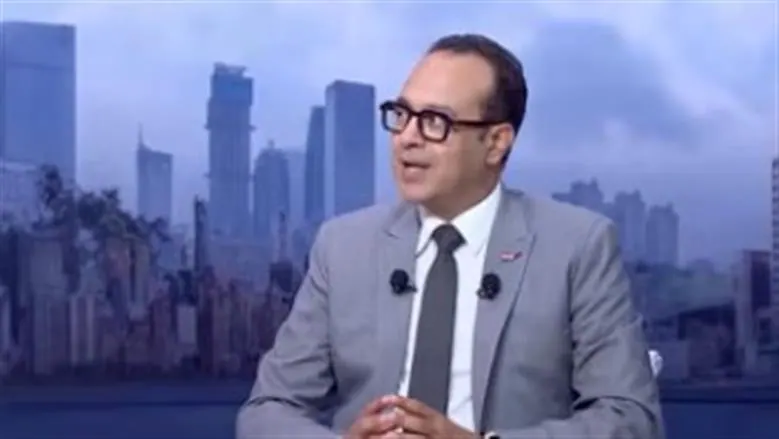
Dr. Hamid Fares, a professor of international relations, has stated that the current situation between the US and Iran is characterized by a high degree of uncertainty. He noted that the US is employing what can be described as 'diplomacy on the brink of war,' which involves applying pressure while simultaneously seeking to reach an understanding with Iran. This approach is being pursued through a combination of military and economic measures.
According to Dr. Fares, the military factor remains a significant presence in the current situation, and economic measures alone will not be sufficient to resolve the conflict. He emphasized that the US has utilized various tools to pressure the Iranian government, but Tehran remains committed to its conditions and demands. However, Iran lacks trust in the US, which is a critical factor in the resumption of negotiations.
Dr. Fares discussed the potential for regional mediations, particularly Qatar's role, to bring the US and Iran closer to an agreement. He suggested that it is possible for the parties to engage in talks and reach a preliminary agreement or memorandum of understanding, but this would require concessions from both sides. One potential point of contention is the issue of the Strait of Hormuz, which Iran may be willing to reopen in exchange for the US lifting sanctions on Iranian ports.
The economic situation in Iran is precarious, with the country's economy facing significant challenges due to US sanctions. Dr. Fares noted that the Iranian government is under pressure to secure economic benefits, particularly in the areas of oil exports and frozen assets. The US has imposed significant sanctions on Iran, which have had a substantial impact on the country's economy.
Dr. Fares emphasized that a resolution to the conflict will require the US and Iran to achieve economic benefits. He suggested that if Iran is able to secure concessions, such as the lifting of sanctions on oil exports and the release of frozen assets, it may be more willing to return to the negotiating table. The issue of frozen Iranian assets, estimated to be around $120 billion, is a significant point of contention.
The situation between the US and Iran remains complex, with multiple factors at play. Dr. Fares noted that a solution will require a comprehensive approach that addresses the concerns of both parties. The US and Iran have a long history of tensions, and a resolution will require significant concessions and a willingness to compromise.
The international community is closely watching the developments between the US and Iran, as a conflict between the two nations could have significant regional and global implications. Dr. Fares' comments provide insight into the complexities of the situation and the challenges of resolving the conflict.
Key points
- The US is using a combination of military and economic measures to pressure Iran.
- Iran is seeking significant concessions, including the lifting of sanctions on oil exports and the release of frozen assets.
- A resolution to the conflict will require a comprehensive approach that addresses the concerns of both parties.