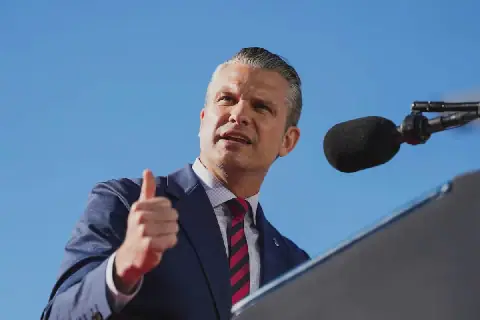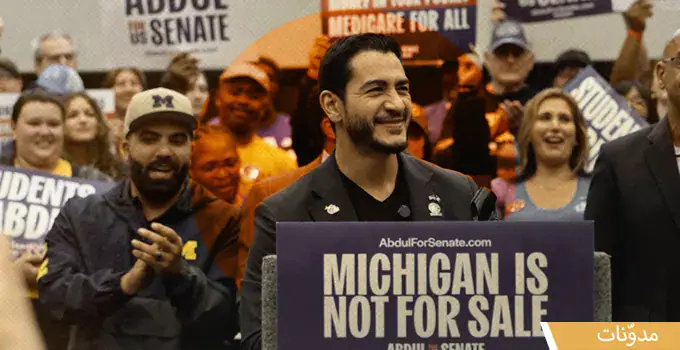
The rise of Abdul Seyed and Zahrun Mamdani in the US presidential election was not a mere coincidence, but a significant political earthquake that demonstrated the power of American voters in shaping the country's foreign policy. Their vision emphasizes that America's commitment to peace must prioritize the protection of innocent lives in Gaza and end the drain on taxpayers' money in endless conflicts. This bold stance has resonated with many Americans who are increasingly questioning the US government's unconditional support for Israel.
The events of October 7th and the subsequent Al-Aqsa flood operation have been a turning point in the region's history and, indirectly, in world history. The Israeli government's response has been widely condemned as a form of ethnic cleansing, with reports from Human Rights Watch and Amnesty International documenting war crimes, including the use of white phosphorus, a banned chemical weapon. The international community's response has been criticized for being inadequate, with many countries, including the US, UK, Germany, France, and others, providing financial, military, and media support to Israel.
The humanitarian crisis in Gaza has been dire, with over 10,000 casualties, including 7,000 women and children, in the first month of the conflict. The situation has sparked widespread outrage and protests across the world, including in the US, where many citizens are demanding a change in their government's stance on the issue. The role of social media has been significant in bringing attention to the crisis, with many users sharing images and videos of the devastation in Gaza.
The conflict has also had significant economic and strategic implications for the US, with estimates suggesting that the country has spent around $90 billion supporting Israel since October 2023. This figure is equivalent to approximately 40 billion dollars, which could have been used to eradicate hunger globally for a year, or provide education for 7.5 million students. The financial burden has sparked debate about the US government's priorities and its relationship with Israel.
The conflict has also led to a significant shift in public opinion in the US, with many citizens reevaluating their stance on Israel and its actions in Gaza. The rise of new media voices and the changing positions of prominent figures, such as Tucker Carlson, Candace Owens, and Nick Fuentes, have contributed to a growing debate about the US government's support for Israel. Many Americans are now questioning whether Israel's actions are in line with US values and interests.
The conflict has also had significant implications for the global community, with many countries, including those in the Arab world, calling for an end to the violence and a two-state solution. The United Nations has been critical of Israel's actions, with Francesca Albanese, a UN expert, describing the situation in Gaza as having a "genocidal structure". The international community's response has been criticized for being inadequate, with many countries failing to take decisive action to address the crisis.
As the conflict continues, it is clear that the US government's stance on the issue is no longer taken for granted. The shift in public opinion and the growing debate about US support for Israel are likely to have significant implications for future elections and US foreign policy. The international community must work together to address the root causes of the conflict and find a lasting solution that prioritizes the rights and dignity of all parties involved.
Key points
- The US government's unconditional support for Israel is being reevaluated by many Americans in light of the recent conflict in Gaza.