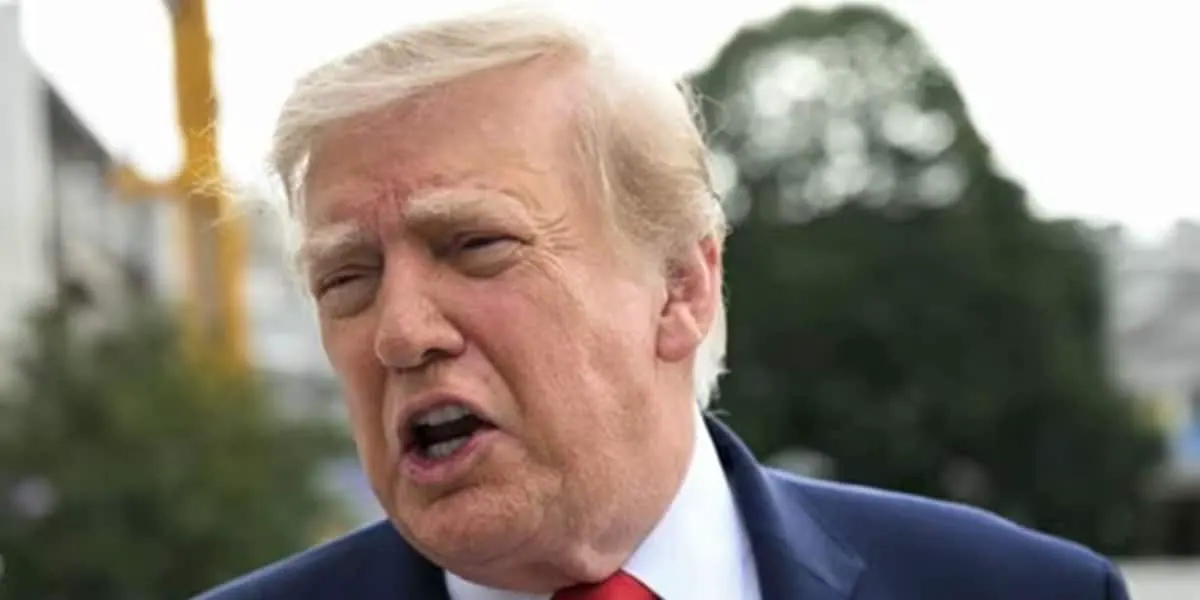
US President Donald Trump has publicly confirmed that he has rejected a proposal by Iran to establish a temporary truce and reopen the Strait of Hormuz. The Iranian proposal, which included a seven-day ceasefire, the reopening of the Strait of Hormuz, and renewed negotiations on the nuclear program, was met with skepticism by Trump. In response, Iran stated that it had not received a formal rejection from the US and continued to advocate for a negotiated solution to the conflict.
According to the Wall Street Journal, citing US officials, Trump indicated to his aides that he considered a new campaign of strikes against Iran after the US midterm elections likely. However, no public decision has been announced, and officials noted that Trump's stance could still evolve. The US presidential elections calendar has become a factor in the calculations, with Trump previously stating on September 22 that an agreement with Iran could occur after the November 3 midterm elections.
Iranian Foreign Minister Abbas Araghchi stated that his country was still awaiting a formal US response to the proposal, transmitted through intermediaries. Despite Trump's public statements, Tehran continues to present its proposal as an option and emphasizes its preference for a negotiated solution. A significant obstacle remains the nuclear dossier, with a senior Iranian official stating that Tehran would not renounce its nuclear rights, particularly regarding uranium enrichment.
Iranian President Masoud Pezeshkian reaffirmed that his country was willing to discuss nuclear and other issues with Washington but rejected negotiations under duress. The situation remains suspended between two scenarios: continued indirect negotiations around the Iranian proposal or a new military phase after the US elections. For now, while Trump's rejection of the plan is public, a potential resumption of strikes after the vote remains a reported hypothesis by US officials, not an officially announced decision.
The Iranian proposal had demanded the lifting of the US naval blockade on its ports and exemptions from sanctions affecting its oil exports. Trump's rejection does not necessarily imply the immediate closure of diplomatic channels, with Tehran maintaining its offer. The US midterm elections have introduced a new dynamic into the conflict, with Trump previously suggesting that Tehran was waiting for the election results before advancing in negotiations.
A senior Iranian official emphasized that Tehran would not abandon its nuclear rights in the context of a potential agreement. The nuclear program remains a contentious issue, with Iran insisting on its right to peaceful nuclear energy. The US and Iran have been engaged in a cycle of tensions, with Trump's administration imposing significant sanctions on Tehran.
The situation remains fluid, with multiple scenarios possible in the coming weeks. While Trump has publicly rejected the Iranian proposal, a negotiated solution remains a possibility. The US midterm elections will likely play a significant role in determining the course of US policy towards Iran, with Trump's administration maintaining a hardline stance on Tehran.
Key points
- Trump rejects Iran's truce proposal, considers new strikes after US midterm elections
- Iran maintains its offer, awaits formal US response
- US midterm elections introduce new dynamic into conflict, with Trump suggesting Tehran waits for election results before advancing in negotiations