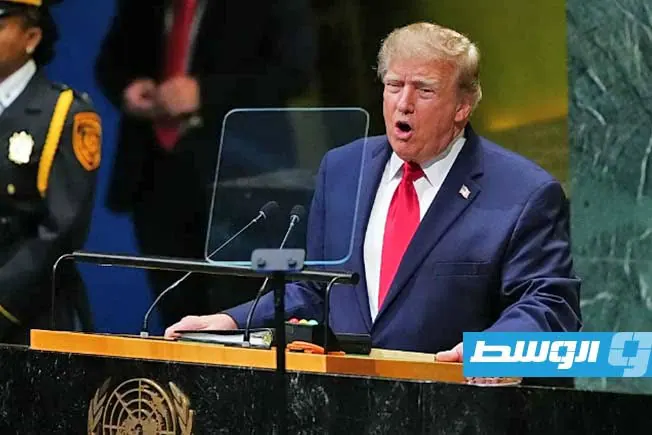
US President Donald Trump has decided to replace the term "artificial intelligence" with "super intelligence" in official documents. According to a report, Trump believes that the term "artificial" makes intelligence sound "fake." The change was announced during his speech at the United Nations General Assembly on September 22, 2026.
The US Department of State has issued a directive to its diplomats to use the term "super intelligence" instead of "artificial intelligence." The directive was sent in an email by Michael Drager, assistant to the deputy secretary in the Office of International Organizations. The email stated that the term "super intelligence" would be used in all statements, positions, and media elements going forward.
Trump's decision to replace the term "artificial intelligence" with "super intelligence" has sparked mixed reactions. Some experts have expressed concerns that the change may downplay the risks associated with artificial intelligence. Meanwhile, Trump has argued that the term "super intelligence" is more accurate and reflects the capabilities of the technology.
The US Department of State's directive has been seen as a significant move, as it reflects the administration's priorities and stance on artificial intelligence. The change in terminology may have implications for US policy and international cooperation on AI-related issues.
Trump's comments on artificial intelligence have been closely watched, particularly in light of his meeting with Chinese leader Xi Jinping. The two leaders discussed various issues, including AI, trade, and security. The US and China have been competing in the field of AI, with both countries investing heavily in research and development.
The replacement of "artificial intelligence" with "super intelligence" has raised questions about the potential consequences of this change. Some experts have expressed concerns that it may lead to confusion or undermine efforts to address the challenges associated with AI. Others have argued that it is a minor change that will not have significant implications.
The US administration's stance on artificial intelligence has been shaped by Trump's views on the technology. He has expressed optimism about the potential benefits of AI, while also emphasizing the need for the US to maintain a competitive edge. The replacement of "artificial intelligence" with "super intelligence" reflects the administration's priorities and approach to AI-related issues.
Key points
- The US Department of State has directed its diplomats to use the term "super intelligence" instead of "artificial intelligence" in official documents and statements.
- Trump's decision to replace the term "artificial intelligence" with "super intelligence" has sparked mixed reactions from experts and policymakers.
- The change in terminology may have implications for US policy and international cooperation on AI-related issues.