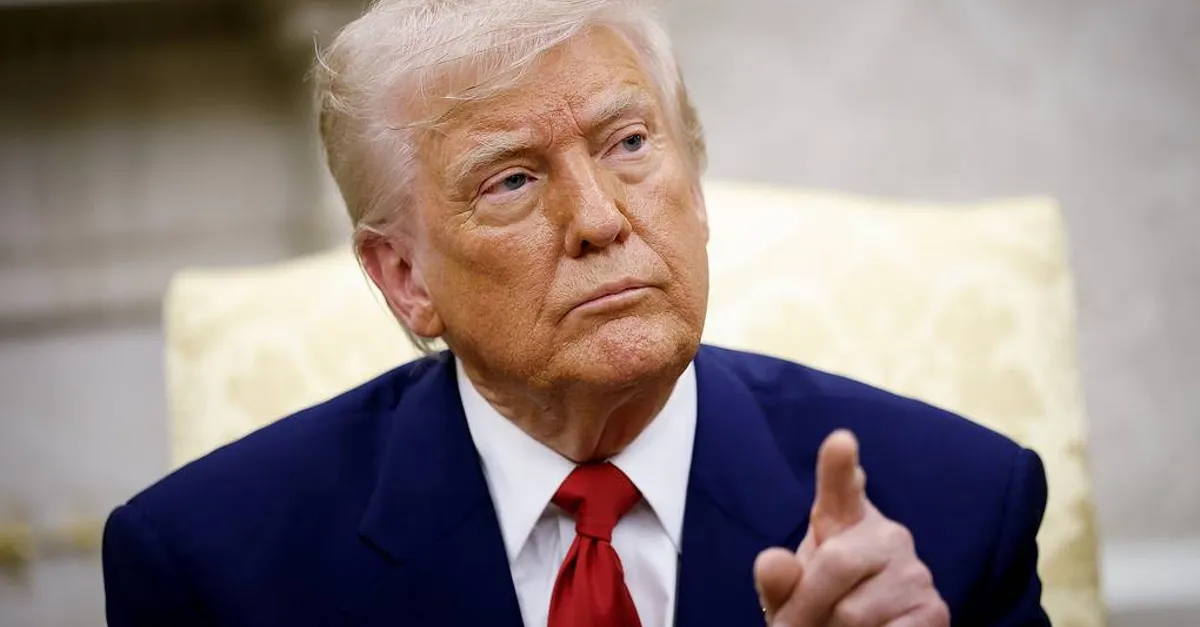
US President Donald Trump has increasingly questioned the value of diplomatic efforts with Iran, according to sources. This development comes as international pressure mounts on Tehran to make concessions on its nuclear program to salvage negotiations and prevent the crisis from escalating into a full-blown war. Trump's skepticism was reported by The Wall Street Journal, citing informed sources.
Trump reportedly rejected an Iranian proposal for a ceasefire that would have opened the Strait of Hormuz for seven days to allow for negotiations. He has told aides that resuming military strikes appears to be the more likely option. The proposal was part of a potential agreement that would have included reopening the strait and launching nuclear talks in exchange for lifting some sanctions and freezing the blockade.
The US had previously signed a memorandum of understanding with Iran in June, which included reopening the Strait of Hormuz and initiating nuclear negotiations. However, observers have described that agreement as being in Iran's favor, which may have contributed to the Trump administration's shift towards tightening sanctions on Tehran and its trading partners, including the civil aviation sector.
International mediators are pressing Tehran to make tangible concessions on its nuclear file, seen as the key to reviving stalled talks. However, Iran has shown little flexibility so far, insisting that Washington must make concessions first. Qatari Prime Minister Sheikh Mohammed bin Abdulrahman Al Thani described the current situation as "extremely complex," with no clear strategy for resolving the crisis.
Despite intense pressure, Iranian officials have conveyed to regional contacts that Tehran appears confident in its ability to withstand the blockade or a new wave of airstrikes. This confidence is partly attributed to the influence of the Islamic Revolutionary Guard Corps, which has taken control of the country's political decision-making and is known for its hardline stance against Western concessions.
Iranian Foreign Minister Abbas Araghchi told NBC News that Tehran remains open to diplomacy but will not back down if the US resumes aggression. He stated that Iran is prepared to resume war even if it reaches a catastrophic level, saying the choice lies with Trump. Meanwhile, the US has grown more confident that its naval blockade is inflicting significant damage on the Iranian economy.
The ongoing crisis has dimmed prospects for a peaceful resolution, with Trump's comments at the United Nations suggesting he is considering "obliterating" the Iranian government if it pursues nuclear capabilities. A glimmer of hope emerged when Tehran reportedly expressed willingness to negotiate its nuclear program, but it seeks explicit guarantees against future Israeli strikes, adding another layer of complexity to the negotiations.
Key points
- Trump questions value of diplomacy with Iran
- International pressure mounts on Tehran to make nuclear concessions
- Iran seeks guarantees against future Israeli strikes in potential nuclear deal