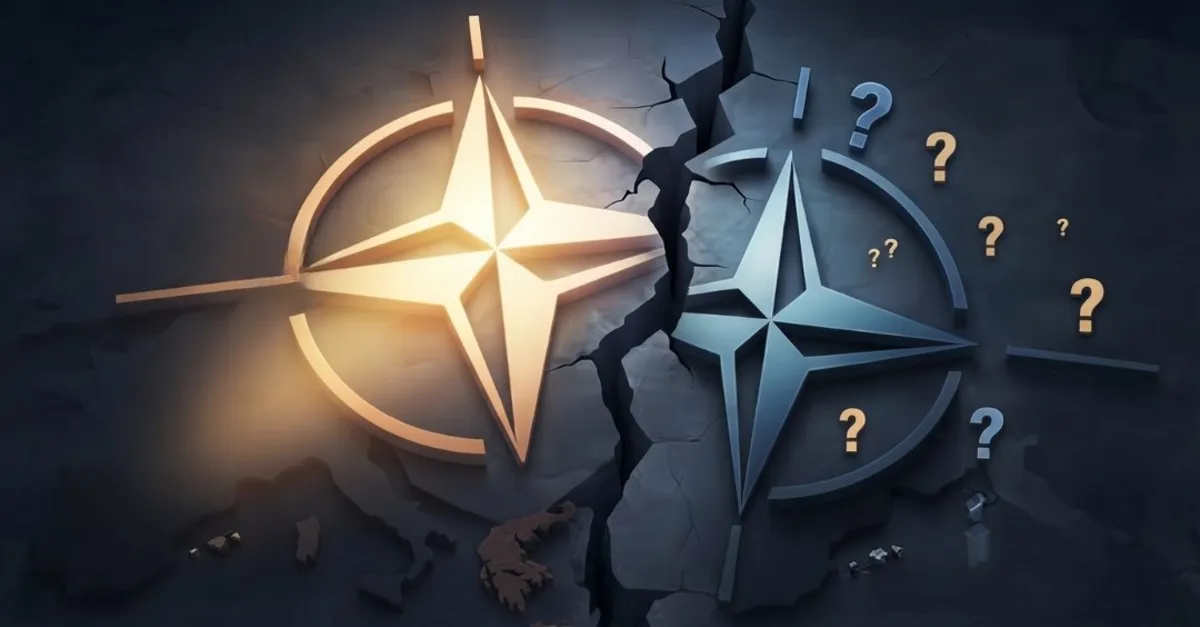
The US administration of President Donald Trump is working to form a smaller circle within the North Atlantic Treaty Organization (NATO), excluding prominent countries such as the UK, France, and the Baltic states, from a military meeting to be held in Poland next month. These countries meet or exceed Trump's defense spending targets, raising questions about the criteria for exclusion.
According to a report by Politico, the meeting will be led by Elbridge Colby, the Pentagon's policy chief, and will focus on a working group examining the future of the alliance and how to develop its structure. Colby has previously held two similar meetings, known as the "Bergen format," with Norway, Sweden, Finland, Poland, Germany, and the Netherlands.
The "Bergen format" meetings, named after the Norwegian city that hosted the first session in June, aim to bring together allies that are quickly meeting their spending commitments and have the necessary weight to contribute meaningfully. Colby described the invitees as having the required clout and being ready to engage in practical work.
However, key allies, including London, Paris, and the three Baltic states, were not invited, despite their strong defense records and spending that meets or exceeds Trump's requirements. Diplomats from these countries expressed confusion and frustration, saying they are doing everything asked of them but have not been given clear criteria for the invitations or the purpose of the meetings.
This move cannot be seen in isolation from the broader context of the Trump administration's relationship with allies. Trump has repeatedly described NATO as a "one-way street," complaining that the US spends hundreds of billions of dollars annually to protect other countries without getting a fair return.
The White House has reportedly created an informal list to distinguish between allies that align with Trump's priorities and those that do not. US Defense Secretary Pete Buttigieg has discussed "model allies" and warned that those that do not support US interests will face consequences.
While supporters of the smaller meetings argue that they are not meant to exclude but rather to generate ideas that can be discussed and tested by the full membership, concerns are rising among European capitals. Some warn that attempts to classify NATO members as good or bad pose a real risk to the US and are an existential issue for Europe.
Key points
- The US plans to hold limited NATO meetings have sparked controversy among allies over the exclusion of major countries like the UK, France, and the Baltic states.
- The meetings aim to bring together allies that quickly meet their defense spending commitments and have the necessary clout to contribute meaningfully.
- The move has raised concerns about the potential for division within NATO and the risk of weakening the alliance.