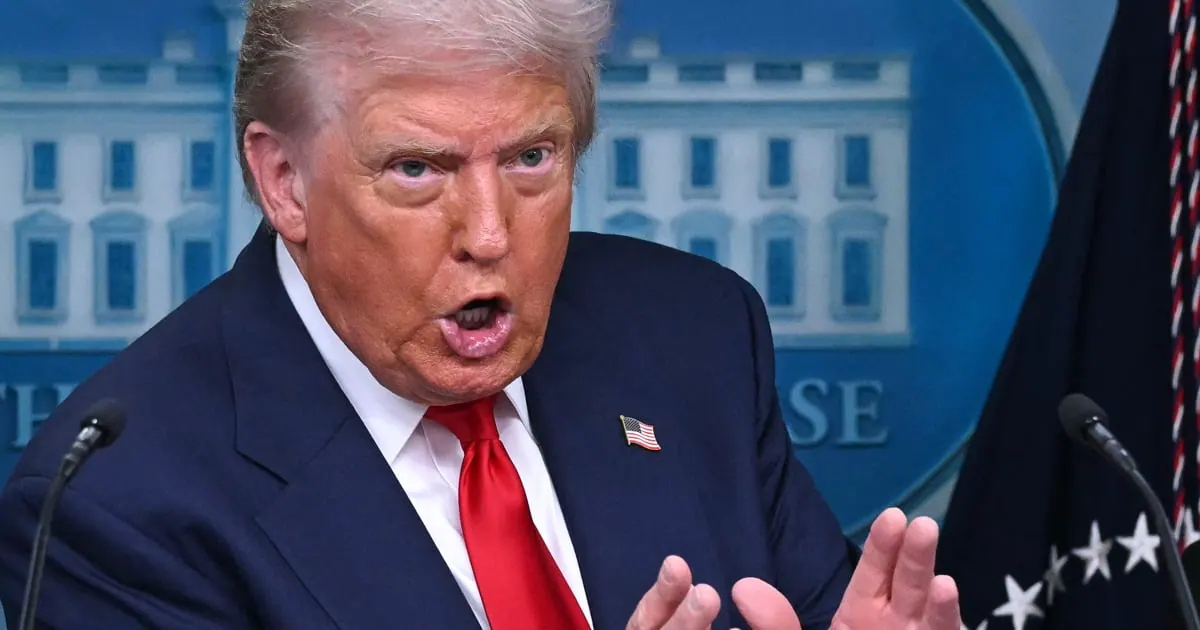
In an extraordinary move, the top five US broadcasters - ABC, CBS, CNN, Fox, and NBC - announced on Monday that they were halting "pool" coverage of the White House. This decision was made in solidarity with CNN, which had been scheduled to serve as the White House TV pool that day. The ban was imposed by President Donald Trump after he ordered CNN, MSNBC, and Politico to be barred from the White House on Friday.
The Trump administration's decision to ban the three media outlets sparked a strong reaction from the US media. The ban not only revoked office space from the outlets but also denied journalists from CNN, MSNBC, and Politico access to the White House grounds on Saturday, with their passes confiscated. In response, the three organizations filed a lawsuit against the administration, asking for a temporary restraining order against the ban on the grounds that it violates the First Amendment of the US Constitution.
The ban has resulted in a significant reduction in live television coverage of Trump's activities. The opening of his new White House helipad and his trip to the United Nations General Assembly proceeded without live television coverage. Several photo news organizations, including AFP, decided to delay the release of photographs of Trump at the helipad in solidarity with the three banned media organizations.
Trump defended his decision, branding the media a "cancer" and a threat to national security. He claimed that the White House was not instituting an assault on the Free Press but rather on "fake news." Vice President JD Vance, a former CNN commentator, accused the news outlets of disseminating "left-wing propaganda" and stated that they could still report but would not have an office in the White House anymore.
The lawsuit filed by CNN, MSNBC, and Politico described the ban as a direct assault on the First Amendment and a violation of fundamental constitutional principles. A US district judge set a hearing on the complaint for Wednesday. The ban has sparked a critical test of wills between the Trump administration and the press, particularly during a week when Chinese President Xi Jinping is visiting the White House.
The White House launched a streaming channel, "Trump TV," which it said would show "top videos, major remarks, and must-see highlights streaming 24/7 and updated in real time." The channel was showing archive footage of Trump delivering a speech on July 3 at Mount Rushmore when it went online.
Trump's approval ratings are at record lows, and his Republican Party risks losing control of Congress in November's midterm elections. The ban comes at a time when the Iran war drags on with no end in sight. The president has long attacked media outlets that have aired critical coverage of his campaigns and administrations, repeatedly blasting the press as the "enemy of the people."
Key points
- US television networks boycott White House coverage in protest at Trump administration's ban on CNN, MSNBC, and Politico.
- The ban has resulted in a significant reduction in live television coverage of Trump's activities.
- The lawsuit filed by CNN, MSNBC, and Politico describes the ban as a direct assault on the First Amendment.