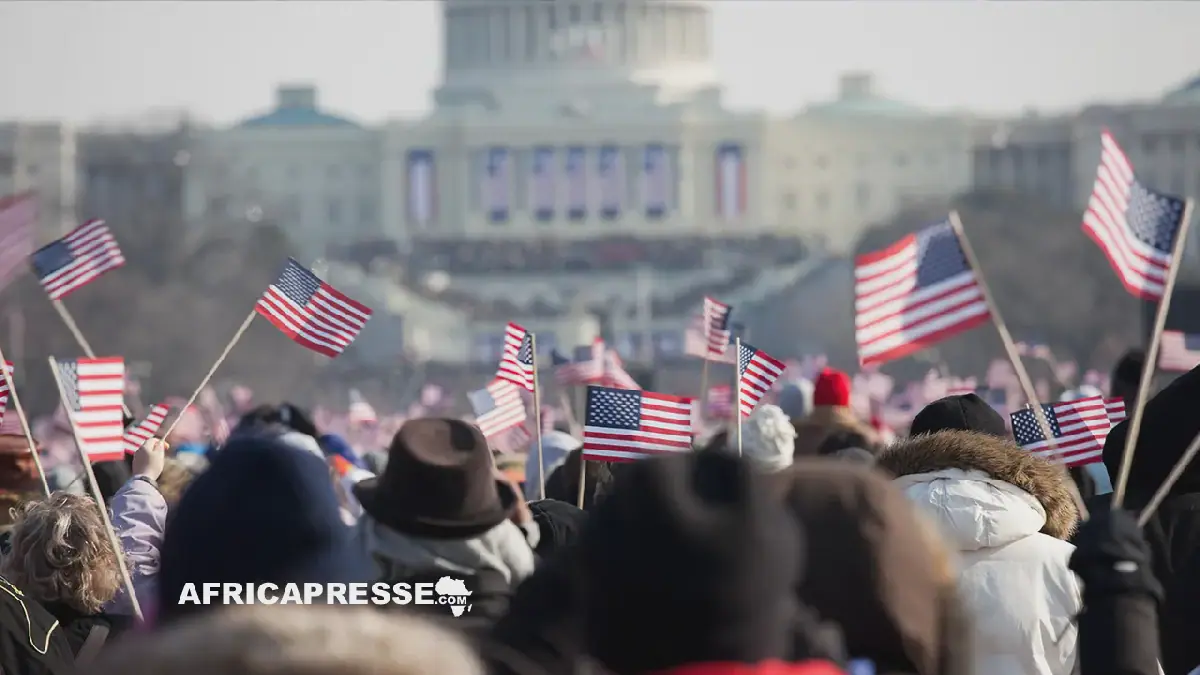
The Democratic Party has gained control of the US Congress, winning the House of Representatives and Senate in the November 3, 2026 midterm elections. This development has significant implications for President Donald Trump's domestic policy agenda, but its impact on his African policy is expected to be limited. Trump's African policy is largely driven by the executive branch and is based on transactional agreements, which are unlikely to change drastically.
The Democratic-controlled Congress will have some leverage to influence Trump's African policy, but its ability to effect significant change is constrained. The new Congress can review and scrutinize several of Trump's African policies, including agreements on migrant deportation, visa restrictions, and refugee admissions. Additionally, partnerships signed by the Trump administration in areas such as health and strategic minerals will be subject to increased parliamentary scrutiny.
Chris Coons, a senator from Delaware known for his favorable stance towards Africa, will lead the Democratic minority on the Senate Foreign Relations Committee. This development promises more critical hearings and greater oversight of Trump's African policy. However, it is unlikely that the Democrats will be able to restore the US Agency for International Development (USAID), which was dismantled by Trump, or reverse the drastic cuts to development aid.
The Trump administration has made significant changes to US policy in Africa since January 2025. The suspension of USAID funding and the PEPFAR program, which has saved over 25 million lives since 2003, has led to the closure of clinics and the collapse of HIV services in several countries, including Malawi. The administration has also implemented a transactional diplomacy approach, securing agreements on minerals in exchange for security with the Democratic Republic of Congo and Rwanda.
The Democrats have inherited a deeply transformed US policy landscape in Africa, which they will not be able to rebuild in just two years, even with a strong will to do so. The next few months are expected to be marked by an institutional tug-of-war between the Democratic-controlled Congress and the Trump administration. While the Congress can block nominations, refuse funding, or demand accountability on bilateral agreements, Trump retains his veto power and significant authority on foreign policy.
The Trump administration may actually become more active on the African scene rather than more conciliatory, as it seeks to compensate for its domestic defeats by turning to international affairs. African governments have already adjusted to this new reality, with several countries diversifying their partnerships. For example, Kenya has negotiated preferential access with China, while South Africa has turned towards the BRICS.
The midterm elections have sent a signal to African partners that the US remains indifferent to the continent's concerns. The election campaign was dominated by domestic issues, such as the cost of living and opposition to the war in Iran, rather than Africa. Neither party made the continent a priority for debate, highlighting the structural indifference to Africa that exists across party lines.
Key points
- The US midterm elections are unlikely to lead to significant changes in Trump's African policy.
- The Democratic-controlled Congress will have some leverage to influence Trump's African policy, but its ability to effect change is constrained.
- African governments have already adjusted to the new US policy landscape, diversifying their partnerships with other countries.