The US midterm elections held on November 3, 2026, have resulted in a significant shift in power, with Democrats regaining control of both the House of Representatives and the Senate. According to provisional results, Democrats have secured at least 228 seats in the House, compared to 139 for Republicans, out of 435 seats up for election. In the Senate, Democrats have won 54 seats, including two independent senators, while Republicans have secured 44 seats, with two seats yet to be allocated.
The Democratic Party has made significant gains, winning at least seven Senate seats from Republicans and 25 House districts. Notably, Democrats had only needed four net gains in the Senate to regain control. The election results indicate a substantial backlash against Republicans, particularly in states that had previously supported President Donald Trump. In Texas, a traditionally conservative state, Democrat James Talarico won a Senate seat, while Gina Hinojosa defeated incumbent Republican Governor Greg Abbott.
The election results also highlight significant demographic and geographic shifts in US politics. In Kansas, Adam Hamilton defeated Republican Senator Roger Marshall, marking a historic win in a state that had not elected a Democratic senator since 1932. Democrats also won Senate seats in Iowa, South Carolina, North Carolina, Maine, and Ohio, indicating a broader trend of Republican losses. These gains suggest that traditional territorial loyalties are not fixed and can shift over time.
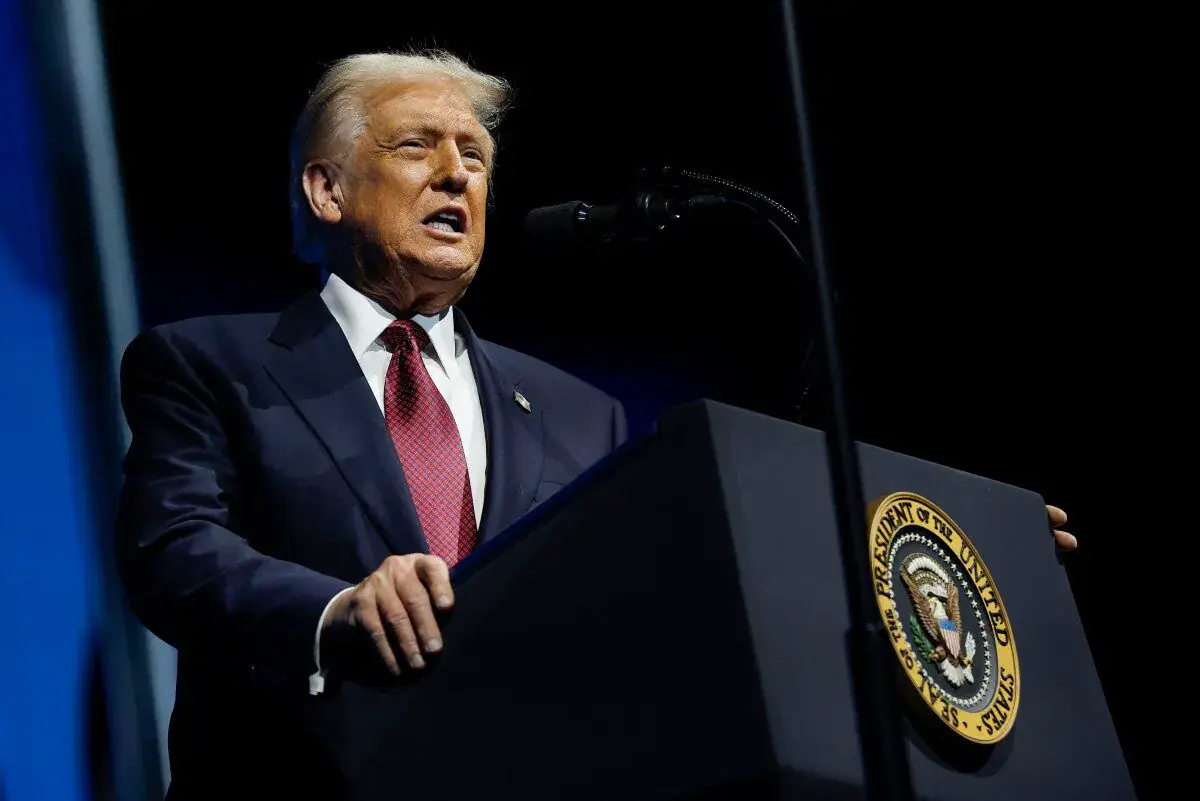
The midterm elections have significant implications for President Trump's agenda and influence. The Democratic-controlled Congress will have the power to block certain legislative initiatives, exercise greater control over nominations, and launch more investigations. This development marks a substantial challenge to Trump's personalized approach to governance and the influence of the MAGA movement within the Republican Party.
The elections also saw several historic wins for diverse candidates. In Michigan, Abdul El-Sayed, a Muslim and son of Egyptian immigrants, became the first Muslim elected to the US Senate. In Georgia, Keisha Lance Bottoms, a former Atlanta mayor, became the first black woman elected governor of a US state. Gina Hinojosa, in Texas, and Deb Haaland, in New Mexico, also made history as the first Latina and Native American women to be elected governor, respectively.
The midterm elections reflect a broader transformation of US politics, with growing diversity and changing demographics playing a significant role. The election of candidates from diverse backgrounds, such as Byron Donalds, the first black Republican governor in Florida, highlights this trend. As the US electorate continues to evolve, it is likely that future elections will see increased representation from underrepresented groups.
The consequences of the midterm elections will be far-reaching, with implications for domestic policy, geopolitics, and the balance of power in Washington. As the Democratic-controlled Congress prepares to work with a Republican president, the potential for confrontation and compromise will be a defining feature of US politics in the coming years.
Key points
- Democrats won control of the US House and Senate in the 2026 midterm elections.
- The elections saw historic wins for diverse candidates, including Muslims, women, and minorities.
- The results mark a significant challenge to President Donald Trump's influence and agenda.