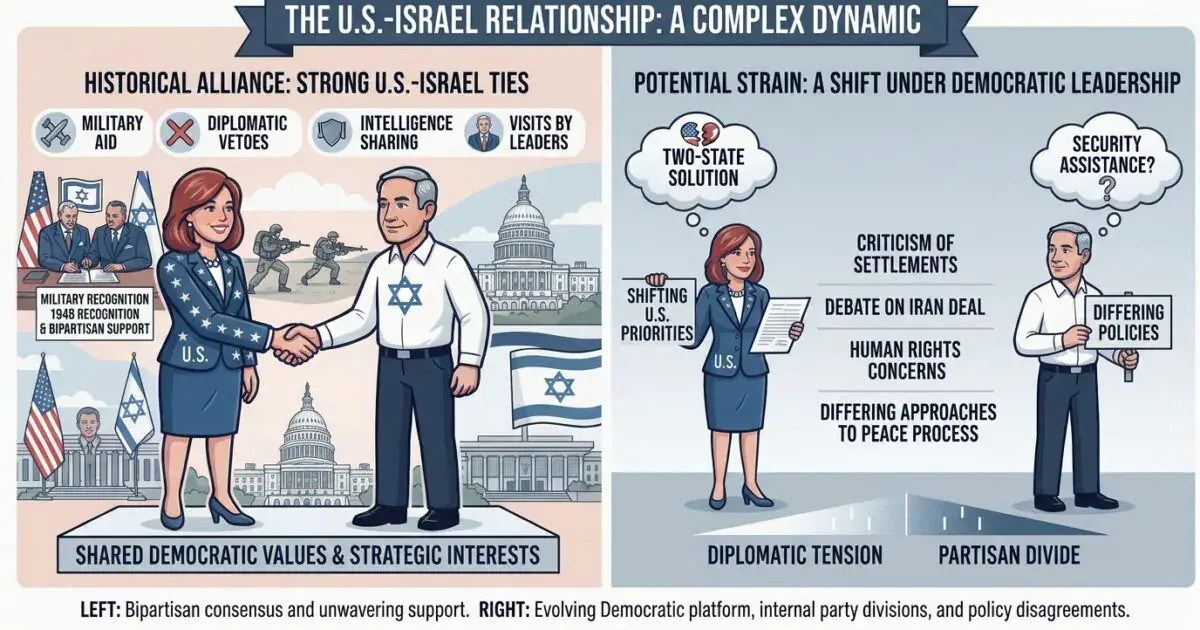
The recent US midterm elections saw the Democratic Party achieve a significant victory, with the largest congressional margin of victory since 1976. This shift in power may have far-reaching implications for US-Israel relations. The Democrats' success can be attributed to several factors, including the Republicans' handling of immigration, the Iran war, inflation, and issues surrounding President Donald Trump's administration. The new Congress, set to take office in January, may re-evaluate the US's relationship with Israel.
The six key issues that contributed to the Republicans' losses are immigration, Iran, inflation, impropriety, illogical policies, and artificial intelligence. Trump's policies on immigration, including the handling of deportations and border control, have been widely criticized. The Iran war has also been a contentious issue, with many Americans questioning the US's involvement in another unpopular war. Additionally, Trump's policies have driven up energy and fertilizer prices, contributing to increased inflation.
The issue of impropriety surrounding Trump's administration has also damaged the Republicans' reputation. Unexplained matters concerning Trump's entourage and their business dealings have turned voters off. Trump's policies, such as his attacks on Canada and economic warfare against allies, have been difficult to justify logically. The tariffs imposed by Trump have driven up prices in the US and created tension with vital allies like India.
The Democrats' gains in the midterm elections may lead to a shift in US-Israel relations. Vice-President JD Vance has stated that one of the issues the Republicans need to address is changing the US's relationship with Israel. Israeli commentators and academics have expressed concern about the potential implications of a Democratic-controlled Congress on US-Israel relations. The Jerusalem Post has highlighted the need for Israel to take heed of the changing situation in Washington.
One of the primary concerns for Israel is the potential reduction in US military aid. Although Trump has already ended $4 billion in US aid, Israel's wealthy economy can absorb this loss. However, a new Democratic-controlled Congress may block or impose conditions on the sale of US weapons to Israel. This could include restrictions on the use of new fighter jets in certain conflicts.
Not all Democratic congress members oppose military aid to Israel, and Trump still has the power to veto legislation. However, Congress can override a presidential veto with a two-thirds majority in both the House and Senate. The Democrats may be able to achieve this with the support of some Republicans who share Vance's concerns about US-Israel relations.
Israel's politicians must now grasp the urgency of the situation and work towards a centrist government of national unity. They must also address issues like unrestrained violence in the territories, which could damage Israel's reputation and relationships with the US. Ultimately, Israel needs to convey to Congress and the US public that the US-Israel relationship benefits both countries, through intelligence sharing and technological cooperation.
Key points
- The Democrats' midterm election gains may lead to a shift in US-Israel relations, with potential implications for military aid and cooperation.
- The new Congress may re-evaluate the US's relationship with Israel, with some members calling for changes.
- Israel's politicians must work towards a centrist government and address issues like violence in the territories to maintain a strong relationship with the US.
Reporting sources
- The biggest change to US-Israel relations in half a century? · Jewish Report